
24/7 Customer Support

Free returns

Same-day & Next-day Delivery

Quality Guaranteed

Unlock Your Welcome Offers: FREE Delivery | Up to 80% OFF | Free 30-day JoyPlus trial
Download the APP
Choosing a face cleanser should be simple, but product packaging often makes the decision harder. Words such as “deep cleaning”, “detox”, “brightening” and “pore refining” can sound persuasive without explaining whether a formula suits your skin or cleansing habits.
A suitable facial cleanser should remove the level of dirt, oil, sunscreen or make-up you actually wear while leaving your skin comfortable afterwards. Before buying, watch for these common pitfalls.
A thick cleansing foam can feel satisfying, but a squeaky or tight finish may indicate that the formula is removing too much surface oil for your skin. This can be particularly uncomfortable if you have dry, sensitive or redness-prone skin.
Look beyond the amount of foam. Check the surfactant system, added humectants and whether the product is described as fragrance-free, low-pH or suitable for sensitive skin.
A pore-cleansing face wash containing salicylic acid, willow bark, AHA, PHA or physical particles may be useful for congestion, but more exfoliation is not automatically better. Using several exfoliating products together can increase dryness or stinging.
If you already use an exfoliating toner, serum or acne treatment, consider a simpler daily cleanser and reserve targeted exfoliation for occasional use, following the product directions.
A standard face wash may remove daily sweat and surface impurities, but long-wear foundation, waterproof mascara and high-factor sunscreen can require an oil or milk-based first cleanse. Rubbing harder is not a reliable substitute and may increase friction around the eyes.
For heavier make-up, look for a dedicated make-up remover, cleansing oil or micellar milk, followed by a gentle facial cleanser if needed.
A low-pH cleanser is commonly formulated to sit within a mildly acidic range. This may feel more comfortable for people who find alkaline or highly degreasing cleansers drying. However, “low pH” alone does not guarantee suitability: examine the full ingredient list and the product’s intended use.
If your face feels tight for more than a few minutes after washing, or becomes flaky with regular use, the cleanser may be too strong or used too frequently.
Check the full INCI ingredient list rather than relying only on front-of-pack claims. Useful ingredients may include:
Fragrance, essential oils and exfoliating acids are not automatically unsuitable, but may be worth avoiding if your skin is reactive. Always follow the packaging instructions, avoid direct eye contact and stop using a product if irritation develops.
A morning face wash may only need to remove overnight sweat and skincare residue. In the evening, your needs depend on what you wore during the day. If you used water-resistant sunscreen or make-up, a two-step routine can be more practical:
The aim is not to keep washing until the skin feels stripped. It is to remove residue efficiently with minimal rubbing.
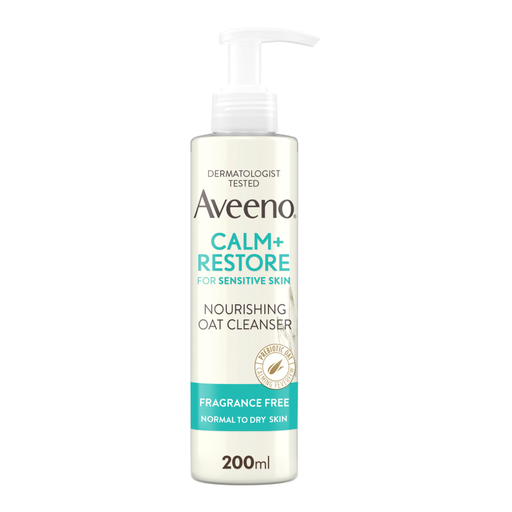
Why This Fits Their Persona: A straightforward daily face wash for shoppers who want a gentle formula without adding several cleansing steps to their routine.
Its milky gel-cream texture and fragrance-free formula offer an alternative to heavily foaming, potentially drying cleansers.
Contains oat, glycerin and sodium hyaluronate; supplied in a 200ml recyclable bottle made with 30% post-consumer recycled material.
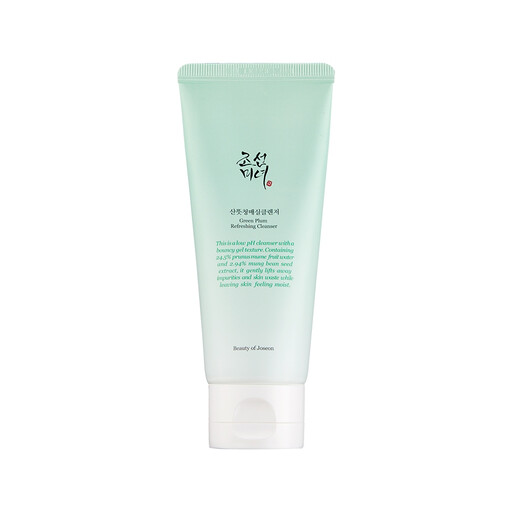
Why This Fits Their Persona: A suitable Korean skincare cleanser for shoppers who prioritise a light gel texture and a mildly acidic daily cleanse.
The low-pH positioning and gel-to-foam format make it more considered than choosing solely by foam volume or “deep clean” wording.
Lists green plum water and mung bean extract; its 100ml size is convenient for gym bags or travel.
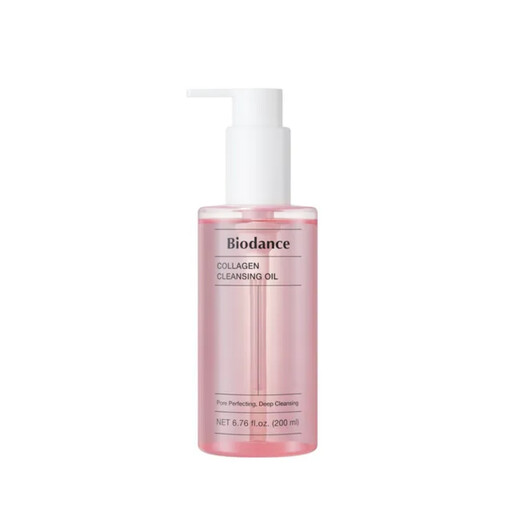
Why This Fits Their Persona: Designed for shoppers regularly wearing waterproof make-up, sunscreen or other oil-soluble products.
It addresses the limitation of using a basic face wash for heavy residue. The instructions specifically require dry hands, dry skin, emulsification and thorough rinsing.
200ml pump bottle; contains plant oils, ceramides, glycerin and panthenol.
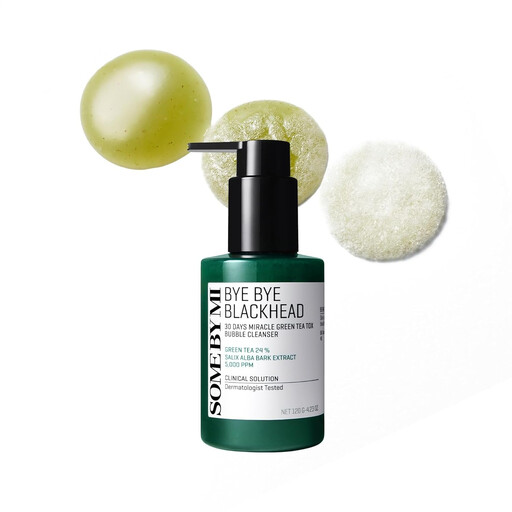
Why This Fits Their Persona: A targeted option for shoppers focused on excess oil and visible congestion rather than a basic hydration cleanse.
Its dual-use instructions distinguish quick cleansing from a three-to-five-minute bubble-mask application, helping users avoid unnecessary long contact every day.
Contains willow bark extract, green tea ingredients and konjac powder; the product is described as low-pH.
We have compiled a complete, real-time list of products that fully satisfy these strict selection criteria and UK safety regulations.
Many people choose to cleanse twice daily, but frequency depends on skin comfort and routine. A gentle morning cleanse may be sufficient for dry or sensitive skin, while evening cleansing is particularly important after sunscreen, make-up, exercise or commuting. If twice-daily washing causes tightness, reduce the amount or frequency and review the formula.
A cleansing oil can be suitable for some oily or acne-prone users because it helps dissolve oil-based residue. It must be emulsified and rinsed thoroughly, and you should check the full ingredient list for personal sensitivities. A patch test is sensible when trying a new product, especially if your skin is reactive.
There is no fixed lifespan because usage varies by product size, pump volume and whether you cleanse once or twice daily. A 200ml bottle generally offers more uses than a 75ml or 100ml tube, but storage and the manufacturer’s period-after-opening guidance also matter. Check the packaging for the batch, shelf-life and storage information, and replace any product whose smell, texture or appearance has changed.