
24/7 Customer Support

Free returns

Same-day & Next-day Delivery

Quality Guaranteed

Unlock Your Welcome Offers: FREE Delivery | Up to 80% OFF | Free 30-day JoyPlus trial
Download the APP
A face exfoliator can help remove surface build-up, improve the feel of uneven texture and make skin look fresher. However, choosing the wrong formula can leave your routine feeling tight, dry or unnecessarily complicated. UK shoppers also need to consider how often they will realistically use a product, whether it fits their existing skincare products and how much sun protection is required.
The following buying guide explains the main differences between a facial exfoliator, chemical exfoliator, exfoliating toner, facial peel, exfoliating pads and peeling gel, then matches practical options to different shopping needs.
A strong glycolic acid peel or high-acid treatment is not automatically suitable for everyone. Higher concentrations can be more difficult to introduce into a routine, particularly if you already use retinoids, vitamin C or other active products. A lower-strength AHA, BHA or PHA exfoliator may be more practical for regular use.
The important details are the acid type, concentration, instructions and recommended frequency, rather than the percentage alone.
A smoother appearance immediately after use may come from surface cleansing, hydration or the texture of a product. It does not necessarily indicate long-term improvement. Check whether the product is rinse-off or leave-on, and whether it contains ingredients suitable for your skin.
For example, a peeling gel may create visible rolls as cellulose gathers during massage. These rolls should not automatically be interpreted as large amounts of dead skin being removed.
Physical scrubs and textured exfoliating pads can create extra friction if rubbed firmly. Fragrance, alcohol or essential oils may also be unsuitable for some users. Meanwhile, AHA products such as glycolic acid can increase sensitivity to sunlight.
Do not apply exfoliators to broken, irritated or sunburnt skin. Use sunscreen during the day and follow the product packaging carefully.
Some formulas combine these categories. An AHA BHA PHA exfoliator may offer broader exfoliation, but combining several acids can also increase the need for careful scheduling.
A leave-on exfoliating toner, micellar water or pad remains on the skin after application. This can be convenient, but it should be introduced gradually. A rinse-off facial peel, balm or peeling gel gives you more control over contact time and may suit occasional use.
Check whether the product is designed for daily, twice-weekly or weekly application. Do not increase frequency simply because the skin feels smooth after the first use.
A 400ml exfoliating toner or micellar formula may offer more applications for regular routines, while a 50ml facial peel is more suitable for occasional treatment or travel. With exfoliating pads, check the number of pads and whether the container can be sealed properly to prevent them drying out.
Always compare the net content and recommended amount per use, not just the shelf price.
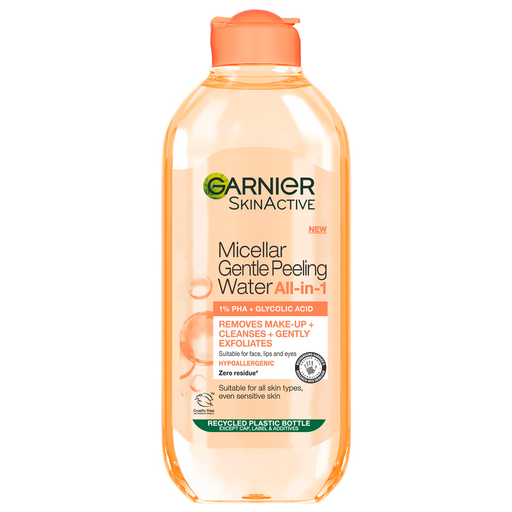
Why This Fits Their Persona: A large 400ml no-rinse format combines make-up removal, cleansing and mild exfoliation, which can simplify an evening routine for shoppers new to acids.
The stated 1% PHA and glycolic acid formula avoids presenting a high-strength peel as an everyday starting point. It is still important to follow the label and monitor comfort.
Micellar technology, no-rinse use and 400ml net content.
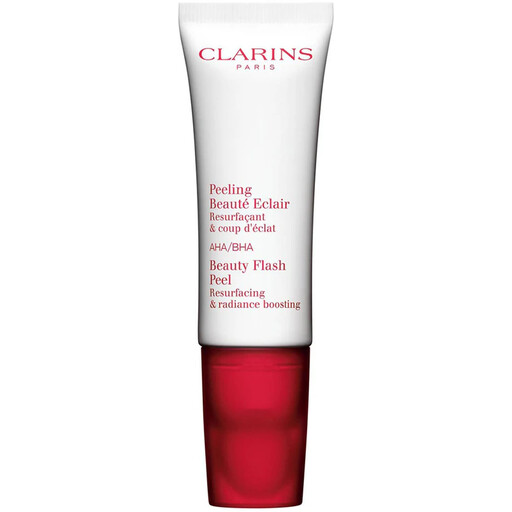
Why This Fits Their Persona: The built-in brush and 10-minute, no-rinse format suit shoppers who prefer a structured evening facial peel rather than a daily toner.
The instructions specify use 2–3 times weekly and advise avoiding retinol on the same day, helping prevent an unnecessarily crowded active routine.
Contains listed glycolic acid and salicylic acid, with a built-in brush and 10-minute application time.
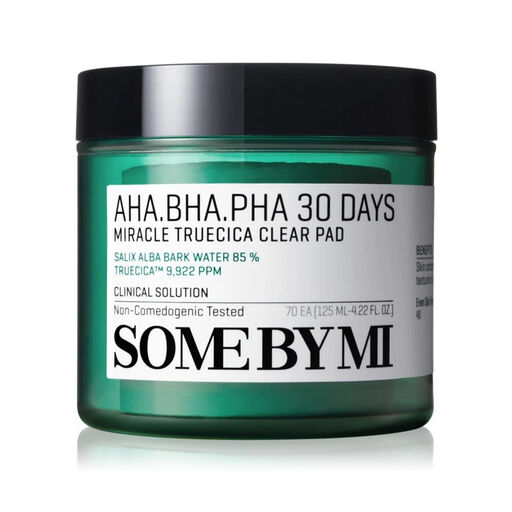
Why This Fits Their Persona: Pre-soaked pads provide a quick option for oily or combination skin routines, particularly when targeted application around the nose and T-zone is preferred.
The dual-sided pad lets you choose a textured or smoother surface, reducing the need to scrub firmly. The jar should be closed tightly after each use.
70 pads, listed AHA/BHA/PHA ingredients and a two-texture design.
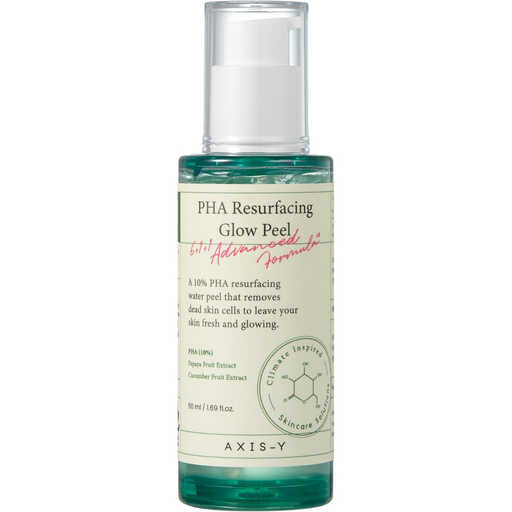
Why This Fits Their Persona: This rinse-off gel-water peel is designed for users who want occasional exfoliation with a clearly stated 10% gluconolactone formula.
It is used for 10–15 minutes and rinsed off, rather than left on indefinitely. A patch test and avoidance of damaged or irritated skin remain important.
10% gluconolactone, rinse-off format and 50ml size.
We have compiled a complete, real-time list of products that fully satisfy these strict selection criteria and UK safety regulations.
It depends on the formula and your skin’s response. Follow the packaging instructions, begin less frequently and avoid increasing use when your skin feels dry or irritated. Weekly use may suit a peeling gel or facial peel, while some toners are labelled for more frequent application.
Some people with sensitive skin prefer a lower-strength PHA exfoliator or a gentle, rinse-off product. Suitability cannot be guaranteed, so patch test first and check the full ingredient list. Avoid exfoliating during flare-ups or on damaged skin.
Yes. Apply a comfortable moisturiser after use, and use sunscreen during the day. Products containing AHA or BHA may increase sensitivity to sunlight, so follow the specific sun-safety warning on the packaging.