
24/7 Customer Support

Free returns

Same-day & Next-day Delivery

Quality Guaranteed

Unlock Your Welcome Offers: FREE Delivery | Up to 80% OFF | Free 30-day JoyPlus trial
Download the APP
A face exfoliator can help lift surface build-up, improve the feel of uneven texture and support a clearer-looking complexion. However, the wrong product or an overly frequent routine may leave skin feeling tight, dry or uncomfortable.
For UK skincare shoppers, the main challenge is separating useful product information from broad marketing language. A facial scrub, exfoliating face wash, chemical exfoliant and peeling gel do not work in the same way, so choosing by skin concern and formula is more practical than choosing by promises of instant transformation.
High acid percentages, rough particles and “deep-cleaning” language can sound appealing when blackheads or excess oil are concerns. Yet stronger is not automatically more suitable. A high-strength chemical exfoliant may be unsuitable for reactive skin, while vigorous rubbing with a facial scrub can increase discomfort.
Look for clear directions, an appropriate usage frequency and warnings about irritated or broken skin. A product designed for weekly use should not automatically become part of a twice-daily routine.
AHA, BHA and PHA have different roles:
A “pore-clearing skincare” product may contain one or several of these, but the ingredient list and instructions matter more than the front-of-pack wording.
Using an exfoliating toner, exfoliating pads, salicylic acid face scrub and retinoid together can create an unnecessarily intensive routine. Fragrance, essential oils or alcohol may also be worth checking if your skin is easily irritated.
Exfoliating products can increase sensitivity to sunlight, particularly those containing acids. Use daytime sun protection as directed on the packaging, and stop using a product if persistent redness, swelling, itching or stinging develops.
Choose the format that matches how you prefer to use skincare:
For blackheads and oily areas, a BHA-containing product may be a logical option. For sensitive skin, a sensitive skin exfoliator with PHA, gentle enzymes or a low-friction format may be easier to incorporate.
Do not focus only on the headline active. Check whether the formula also contains moisturising or soothing ingredients such as glycerine, panthenol, hyaluronic acid or allantoin. These do not cancel out the potential for irritation, but they may make the overall formula more comfortable.
Also note potential personal triggers, including fragrance, essential oils, denatured alcohol and botanical extracts. Product descriptions and packaging should be checked before use because formulations can change.
A practical product should make its usage instructions easy to follow. Check whether it is intended for morning, evening, daily or weekly use, and whether it requires rinsing. For exfoliating pads, a secure lid helps prevent the pads drying out. For tubes and pumps, close the container properly and store it away from direct sunlight and heat.
Patch testing is sensible when introducing a new acid, enzyme or fragranced product. Avoid applying exfoliants to cuts, sunburn, active irritation or severely inflamed skin.
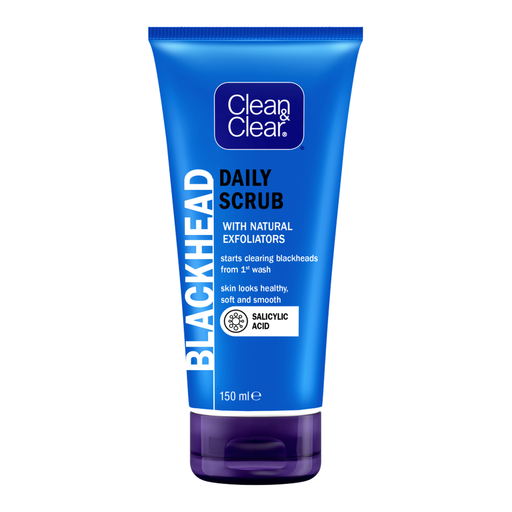
Why This Fits Their Persona: A familiar rinse-off format for shoppers who want to add one straightforward pore-focused step to a basic routine.
The product information identifies salicylic acid and natural exfoliators, while its directions specify gentle circular massage and rinsing. Do not increase frequency if skin feels uncomfortable.
150ml size; contains salicylic acid, panthenol, aloe vera gel and chamomile extract.
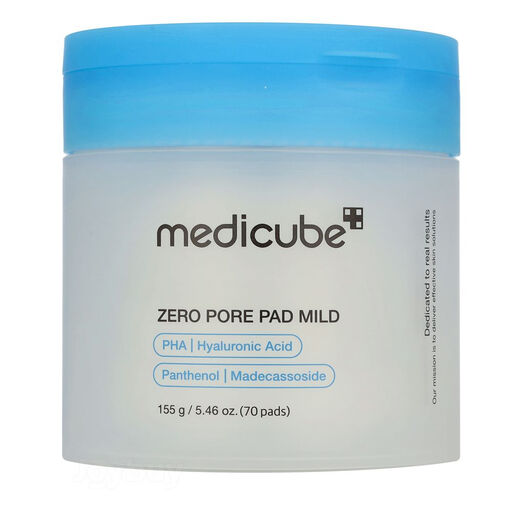
Why This Fits Their Persona: Useful for shoppers who value a tidy, pre-soaked format and want to avoid measuring liquid exfoliant.
PHA offers a lower-intensity acid format than many strong AHA/BHA treatments, while the instructions distinguish between the embossed and smooth sides. Use gentle pressure.
70 pads; includes gluconolactone, panthenol, hyaluronic acid and allantoin.
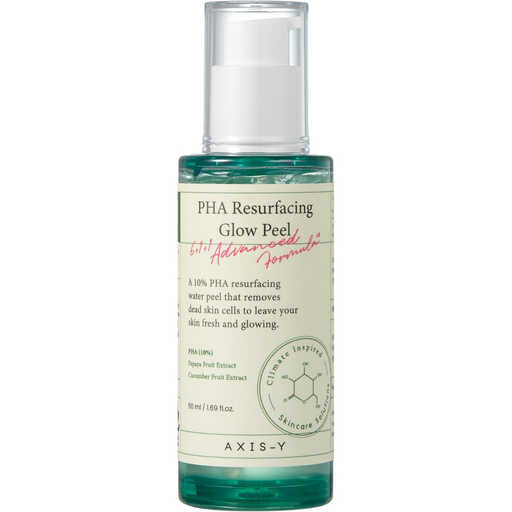
Why This Fits Their Persona: A rinse-off weekly option for users who prefer a separate treatment rather than an exfoliating cleanser used every day.
The directions set a defined 10–15-minute application followed by rinsing, helping prevent leaving a treatment on indefinitely. Start cautiously and patch test first.
Contains 10% gluconolactone; rinse-off gel format with cucumber, papaya and centella extracts.
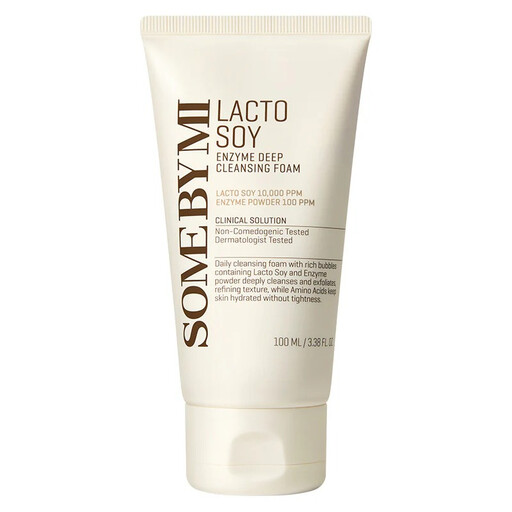
Why This Fits Their Persona: Suitable for shoppers seeking a cleanser-led routine with an enzyme-based exfoliating element and a separate occasional mask option.
The product uses papain and provides separate cleansing and 3–5-minute mask directions. Those with very reactive skin should reduce contact time and stop if irritation appears.
100ml creamy cleanser; includes papain, panthenol and several hyaluronic acid forms.
We have compiled a complete, real-time list of products that fully satisfy these strict selection criteria and UK safety regulations.
It depends on the formula and your skin’s tolerance. A rinse-off exfoliating face wash may be used more frequently according to its label, while a peeling gel, strong chemical exfoliant or textured scrub is commonly reserved for occasional use. Start less often and increase only if the product instructions allow it and your skin remains comfortable.
It may suit some users, but vigorous physical exfoliation can feel uncomfortable on inflamed or irritated areas. For an acne-prone skin exfoliator, compare gentle application instructions with ingredients such as salicylic acid, PHA or enzymes. Avoid applying any exfoliant to broken skin or severely inflamed blemishes.
Yes. Follow the packaging’s shelf-life and storage information, and keep the lid tightly closed after each use. If pads become dry, change colour, develop an unusual smell or cause unexpected irritation, discontinue use and check the product details before continuing.