
24/7 Customer Support

Free returns

Same-day & Next-day Delivery

Quality Guaranteed

Unlock Your Welcome Offers: FREE Delivery | Up to 80% OFF | Free 30-day JoyPlus trial
Download the APP
By the Joybuy Product Recommendation Officer
A face exfoliator can help remove surface dead skin cells, improve the feel of uneven texture and clear excess oil from congested areas. However, the wrong formula can leave skin feeling tight, flaky or uncomfortable. UK shoppers comparing a facial exfoliator, facial scrub, peel or exfoliating toner pads should look beyond phrases such as “deep cleansing” and “instant glow”.
The suitable choice depends on your active ingredients, exfoliation method, strength and intended frequency of use. A product designed for weekly resurfacing is not interchangeable with a gentle cleanser or daily toner pad.
A high-strength chemical exfoliant may be appealing when the goal is smoother skin quickly, but stronger is not necessarily more appropriate. For example, a product containing 30% combined AHA, BHA, PHA and LHA is intended as a short-contact rinse-off treatment, whereas a lower-strength exfoliating toner may be designed for more regular use.
Check the acid type, concentration and whether the product is rinse-off or leave-on. Avoid applying several strong acids together until you know how your skin responds.
Physical exfoliators vary considerably. Silica, cellulose, biodegradable granules and gommage-style peeling gels all create a different feel. Scrubbing harder does not improve the result and may increase discomfort, particularly on sensitive or blemish-prone skin.
Avoid facial scrubs on active, broken or irritated areas. Use light pressure and follow the manufacturer’s directions rather than judging effectiveness by how much product rolls away.
AHAs, including glycolic and lactic acid, can increase sensitivity to sunlight. Retinoid-containing formulas also require careful routine planning. Using an AHA exfoliator on the same evening as a retinoid, another peel or abrasive scrub may be too much for some users.
Apply a broad-spectrum sunscreen during the day and introduce one exfoliating product at a time. Always check the current packaging for the full ingredient list and warnings.
Leave-on products, such as pads, toners and essences, remain in contact with the skin for longer. They can be convenient but should be introduced gradually. Rinse-off products, such as a glycolic acid peel or weekly mask, offer more control over contact time.
A formula combining acids with a retinoid needs extra care. Read the directions carefully and avoid pairing it with other potentially irritating treatments during the same routine.
Glycerin, panthenol, allantoin, hyaluronic acid and moisturising oils can make an exfoliating routine feel more comfortable, although they do not remove the need for sensible frequency. Fragrance, essential oils and alcohol may be worth avoiding if your skin is reactive.
Pads and jars should be sealed promptly to prevent drying. A built-in applicator may make a peel easier to distribute, while a small starter kit can help first-time users introduce a complete routine gradually.
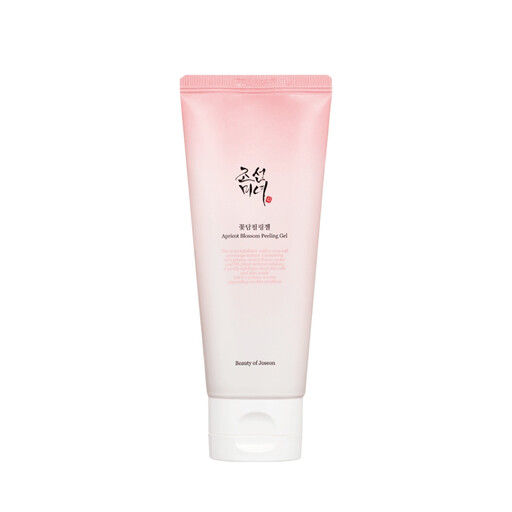
Why This Fits Their Persona: A straightforward weekly peeling gel for shoppers who want to begin with a non-acid format and a simple rinse-off routine.
It is used once or twice weekly and rinsed away, reducing the temptation to overuse a leave-on acid.
Gommage-style cellulose formula; 100ml size with a clear weekly-use format.
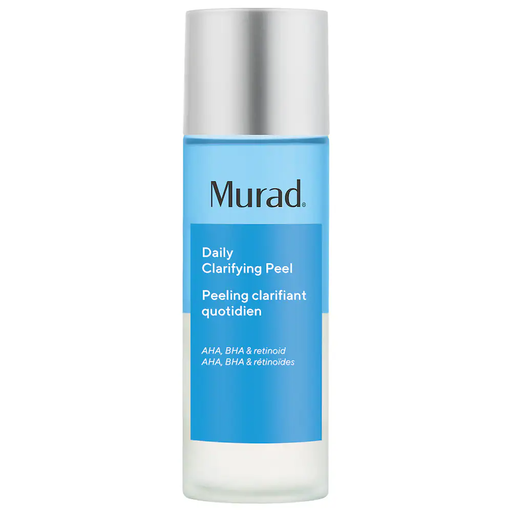
Why This Fits Their Persona: A leave-on bi-phase option for shoppers wanting one product combining glycolic acid, salicylic acid and a retinoid.
The label states the product is alcohol-free and provides specific directions, including shaking before use and applying SPF.
Bi-phase 95ml formula; combines BHA, AHA and retinyl propionate in a no-rinse format.
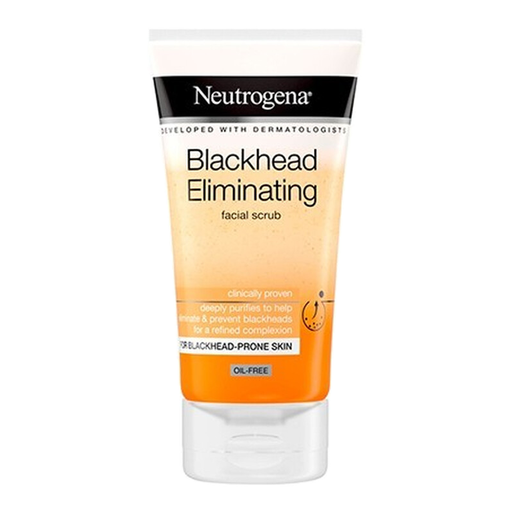
Why This Fits Their Persona: Suitable for shoppers prioritising a clearly stated 2% salicylic acid face scrub for oily or blackhead-prone areas.
The acid strength is stated clearly, while the directions specify gentle massage and rinsing rather than aggressive scrubbing.
2% salicylic acid; 150ml rinse-off format with exfoliating beads.
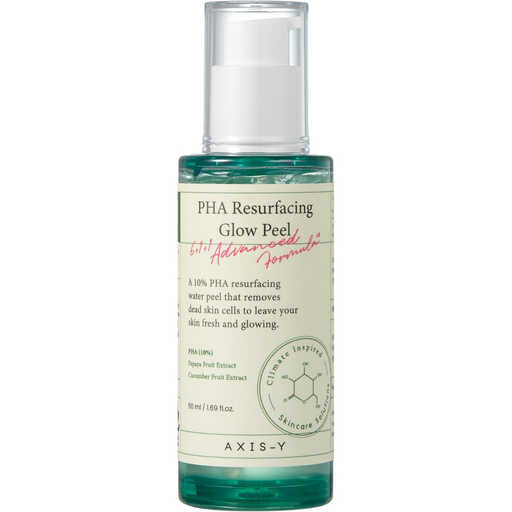
Why This Fits Their Persona: A short-contact gel-water peel for users who want a measured introduction to PHA exfoliation.
The instructions give a defined 10–15-minute application followed by rinsing, rather than unrestricted leave-on use.
10% gluconolactone; rinse-off gel format with glycerin and botanical extracts.
We have compiled a complete, real-time list of products that fully satisfy these strict selection criteria and UK safety regulations.
It depends on the format and your skin’s tolerance. A weekly peeling gel or rinse-off peel may be used once or twice weekly, while exfoliating toner pads may be intended for more frequent use. Start less often than the maximum label recommendation if you are new to acids or have sensitive skin.
A BHA exfoliator containing salicylic acid is commonly chosen for oily, congested skin and blackheads. It should not be applied to broken or inflamed areas, and it is not a substitute for medical advice or prescribed acne treatment.
Using both in one routine can increase the chance of irritation. Choose one exfoliation method initially, allow your skin time to adjust and avoid combining it with other strong treatments such as retinoids unless the product directions or a healthcare professional indicate that it is appropriate.