
24/7 Customer Support

Free returns

Same-day & Next-day Delivery

Quality Guaranteed

Unlock Your Welcome Offers: FREE Delivery | Up to 80% OFF | Free 30-day JoyPlus trial
Download the APP
A face exfoliator can help remove surface build-up, smooth uneven texture and make skin feel fresher. However, choosing by attractive packaging or phrases such as “deep cleansing” can lead to unnecessary irritation, dryness or a product that does not suit your routine.
UK shoppers commonly encounter three pitfalls:
The practical approach is to match the exfoliant to your skin type, preferred frequency and main concern rather than relying on marketing language.
There are three broad categories:
An AHA BHA PHA exfoliator combines different approaches, so check the full ingredient list and directions before adding other acids to the same routine.
The label’s recommended frequency is more useful than a promise of instant results. A rinse-off exfoliator has shorter contact with the skin than leave-on exfoliating toner pads or a serum.
For example:
Do not combine several exfoliating products in one routine when starting. Avoid use on cuts, broken skin, active irritation or severely inflamed areas. Follow the packaging directions, perform a patch test where appropriate and use daytime sun protection, particularly with leave-on acid products.
For oily or blemish-prone skin, look for formats containing salicylic acid, PHA or ingredients positioned for pore cleansing. A pore-clearing exfoliator may be useful around the T-zone, but scrubbing harder will not remove every blackhead.
For sensitive or dry skin, consider a gentle exfoliator for sensitive skin, a moisturising enzyme cleanser or a low-friction peeling gel. Fragrance, essential oils, alcohol and rough particles may be relevant if your skin is reactive, so inspect the current packaging and ingredient list.
If dullness and rough texture are the main concerns, a weekly peeling gel or a mild AHA formula may fit better than a daily facial scrub. For the body, use a dedicated body scrub rather than applying a coarse body formula to the face.
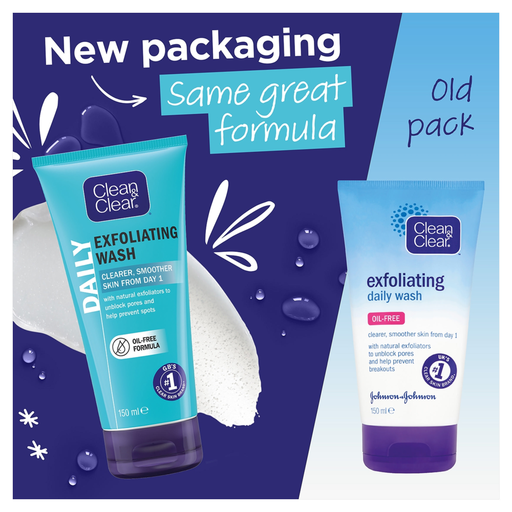
Why This Fits Their Persona: A straightforward wash-off option for shoppers starting a simple pore-cleansing routine without adding a separate treatment step.
Its wash-off format helps limit contact time compared with a leave-on acid, while the directions specify gentle circular massage.
150ml size; contains glycerin and natural exfoliating cellulose; oil-free formula.
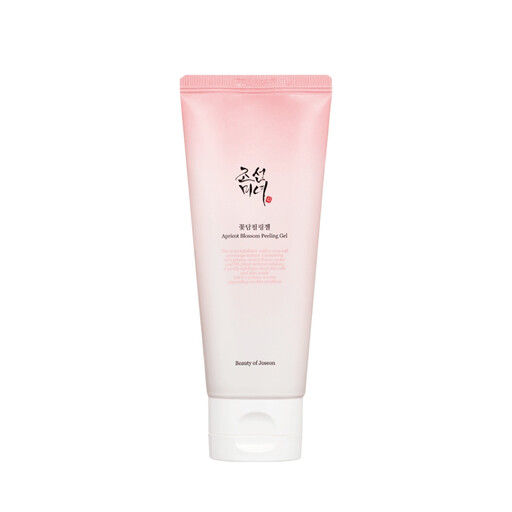
Why This Fits Their Persona: Suits shoppers who prefer a considered weekly Korean skincare exfoliator with a soft gommage texture.
It is positioned as a weekly peeling gel rather than a daily scrub, reducing the temptation to overuse a physical format.
Contains plant-derived cellulose and plum flower water; recommended use is once or twice weekly.
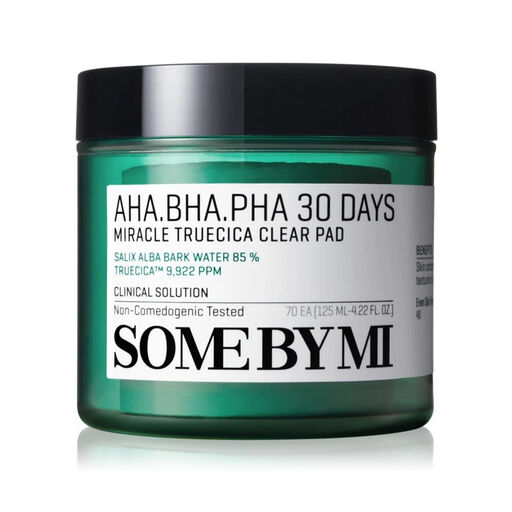
Why This Fits Their Persona: Convenient for shoppers who want a ready-to-use step for congested areas and prefer pads over creams or scrubs.
The dual-sided pad gives a softer option after the textured side, while the instructions advise reducing frequency for very sensitive skin.
70 pads; combines AHA, BHA and PHA; includes panthenol, sodium hyaluronate and allantoin.
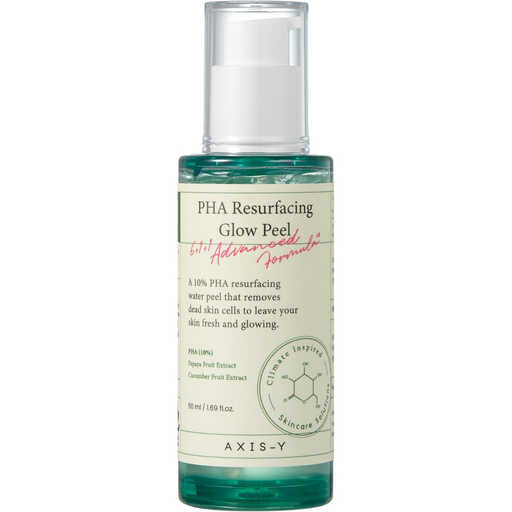
Why This Fits Their Persona: A rinse-off option for shoppers seeking a measured PHA step for dull or rough-feeling skin.
Its directions specify a 10–15 minute application followed by rinsing, rather than indefinite leave-on use.
10% gluconolactone; gel-water texture; includes glycerin and centella asiatica extract.
We have compiled a complete, real-time list of products that fully satisfy these strict selection criteria and UK safety regulations.
Start with clean skin and follow the product directions. Apply light pressure with a facial scrub, keep acid products away from the eye and lip area and moisturise afterwards. Introduce one new exfoliant at a time so you can identify the cause of any reaction.
A simple routine might be:
Stop using the product if you experience persistent burning, swelling, rash or marked discomfort. Cosmetic products are not a substitute for medical treatment; seek advice from a healthcare professional for ongoing or severe skin concerns.
Frequency depends on the formula and your skin’s response. A scrub may be limited to once or twice weekly, while a cleanser may be labelled for daily use. Start less frequently than the maximum stated on the packaging if your skin is sensitive, dry or new to exfoliation.
Salicylic acid is oil-soluble and is commonly included in products designed for congested pores. However, a salicylic acid face scrub also contains physical particles, so use gentle pressure and avoid combining it with another acid treatment at the same time.
You can use both in the same overall routine, but they should remain separate products. Body scrubs often contain larger or rougher particles and may be labelled for body use only. Check the packaging and avoid applying a body scrub to facial skin.