
24/7 Customer Support

Free returns

Same-day & Next-day Delivery

Quality Guaranteed

Unlock Your Welcome Offers: FREE Delivery | Up to 80% OFF | Free 30-day JoyPlus trial
Download the APP
A face exfoliator can help remove surface build-up, excess oil and dead skin cells, but the wrong formula may leave your skin feeling tight, irritated or unusually sensitive. UK shoppers are often faced with facial scrubs, exfoliating face washes, salicylic acid exfoliators, peeling gels and exfoliating toners that appear to offer similar results.
The right choice depends less on impressive packaging and more on the exfoliating method, ingredient list, intended frequency and your skin’s tolerance.
A rough texture or intense tingling sensation is not a reliable sign that a product is working effectively. Physical particles, acids and enzymes all exfoliate differently. Using several of them together can increase the chance of dryness and discomfort, particularly if you already use retinoids, acne treatments or fragranced skincare.
Some products are labelled for daily cleansing, but individual tolerance varies. A facial scrub designed for regular use may still feel too abrasive for sensitive skin, while an exfoliating toner containing AHA or BHA may need a slower introduction. Always follow the product directions and reduce frequency if your skin feels uncomfortable.
Body scrubs usually contain larger or coarser particles and are not automatically suitable for facial skin. For example, a body scrub may be designed for elbows, legs or other larger areas rather than the delicate eye and facial region. Check the stated application area before buying.
A facial scrub uses particles such as cellulose, sugar, bamboo, jojoba or silica to lift surface debris through massage. It may suit shoppers who prefer an immediate polished feel, but pressure should remain light.
A salicylic acid exfoliator uses BHA, an oil-compatible exfoliating ingredient commonly selected for oily or congested skin. It is found in some blackhead scrub formulas, pore-cleansing scrubs and leave-on exfoliating toners. AHA ingredients, such as glycolic or lactic acid, mainly target surface texture, while PHA ingredients such as gluconolactone are generally used in milder resurfacing formats.
Enzyme products, including papain-based cleansers, offer another approach. These can be found in exfoliating face wash formulas and may appeal to people who dislike gritty particles.
UK cosmetic products should provide an ingredient list using standard INCI names. Look for the exfoliating ingredients and note possible sources of sensitivity, including fragrance, essential oils, alcohol and cleansing surfactants. Their presence does not automatically make a product unsuitable, but it is useful information when comparing formulas.
If you have sensitive skin, a gentle exfoliator for sensitive skin with a simple formula may be easier to introduce. A patch test is sensible before applying a new product across the face.
Avoid applying exfoliators to broken, inflamed or irritated skin. Products containing AHA or BHA may increase sensitivity to sunlight, so use suitable daytime sun protection and follow the product warnings.
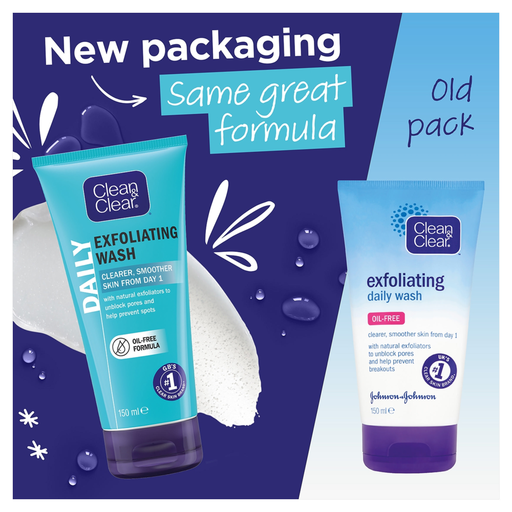
Why This Fits Their Persona: A straightforward rinse-off option for shoppers starting a basic cleansing and exfoliating routine, including those managing an oily or blemish-prone complexion.
Its directions specify gentle circular massage and rinsing, helping users avoid leaving a scrub on the skin or applying excessive pressure.
Oil-free formula with cellulose exfoliators; 150ml size for regular cleansing.
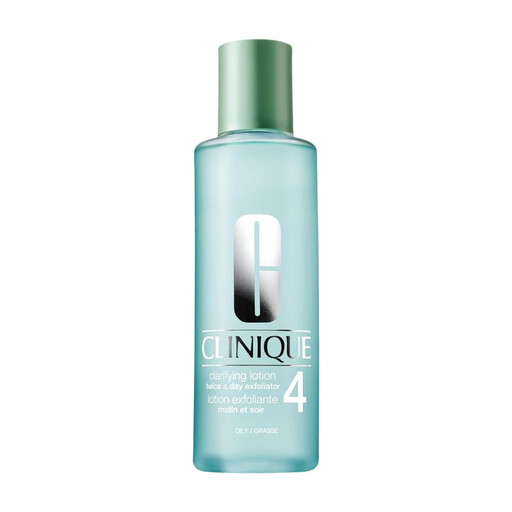
Why This Fits Their Persona: A leave-on lotion format for shoppers who prefer a structured post-cleansing routine and a larger 400ml bottle.
The product information identifies salicylic acid and witch hazel, so shoppers can compare its active format rather than relying on vague “pore” wording.
Fragrance-free listing; intended for oily skin; 400ml format.
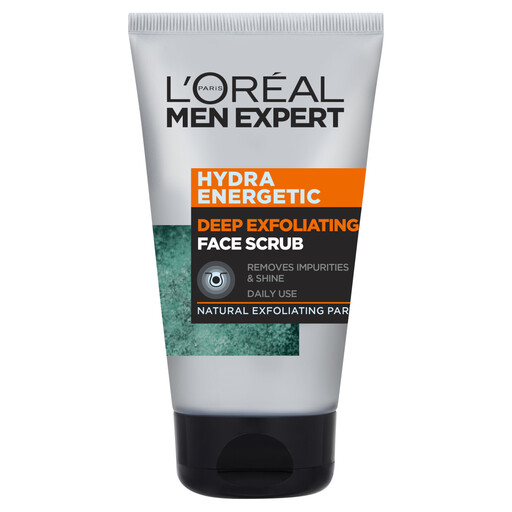
Why This Fits Their Persona: Suits men seeking a quick rinse-off facial scrub after commuting, exercise or a long day when excess shine and blocked pores are concerns.
The listed directions specify wet skin, gentle massage and thorough rinsing, rather than aggressive scrubbing on dry skin.
Contains natural exfoliating particles and salicylic acid; 100ml tube is practical for gym or travel bags.
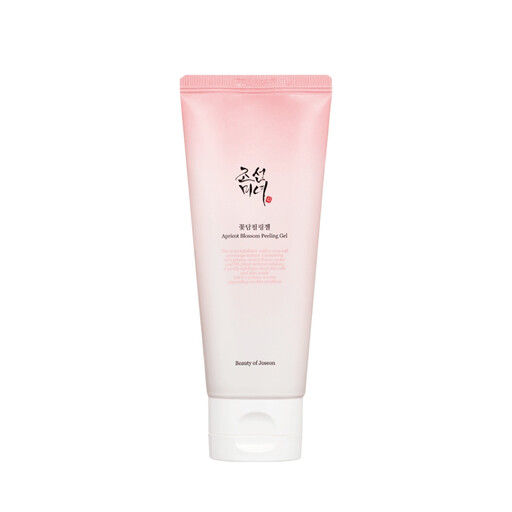
Why This Fits Their Persona: A weekly peeling gel format for shoppers who prefer to avoid a daily scrub and want a clearly defined occasional treatment.
Its directions specify use once or twice weekly, which helps reduce the risk of treating exfoliation as an automatic daily step.
Gommage-style cellulose formula; listed without artificial fragrance, essential oils or colourants.
We have compiled a complete, real-time list of products that fully satisfy these strict selection criteria and UK safety regulations.
A salicylic acid product may suit an oily T-zone, while a PHA peeling gel or enzyme cleanser may be more appropriate for shoppers prioritising a gentler texture. If blemishes, inflammation or irritation persist, seek advice from a qualified healthcare professional rather than relying solely on cosmetic exfoliation.
Follow the product directions and start conservatively. A physical scrub may be used less often than the label’s maximum frequency if your skin is sensitive. Leave-on AHA, BHA or PHA products are also best introduced gradually. Do not combine multiple exfoliating products in one routine until you know how your skin responds.
A blackhead scrub may remove surface oil and debris, but physical particles cannot guarantee removal of deeper congestion. Products containing salicylic acid are often chosen for oily or blocked pores because BHA is oil-compatible. Use only as directed and avoid forceful rubbing around the nose.
Some exfoliating toners are labelled for daily or twice-daily use, but this is not suitable for everyone. Check the acid type, concentration where provided, full ingredient list and warnings. If dryness or discomfort develops, reduce use or stop and return to a simple cleanser and moisturiser routine.