
24/7 Customer Support

Free returns

Same-day & Next-day Delivery

Quality Guaranteed

Unlock Your Welcome Offers: FREE Delivery | Up to 80% OFF | Free 30-day JoyPlus trial
Download the APP
A suitable face exfoliator can help lift surface dead skin cells, loosen excess oil and improve the feel of rough texture. The wrong product, however, may leave skin tight, flaky or uncomfortable, particularly if you already use retinoids, acne treatments or fragranced skincare.
For UK shoppers, the main challenge is separating useful formula information from vague claims. A high acid percentage does not automatically make a facial exfoliator more suitable, while a product described as “daily” may still be too active for your skin.
A concentrated AHA, BHA, PHA or combined acid formula may sound impressive, but stronger is not always more appropriate. A high-strength product can be difficult to introduce if your skin is sensitive or already exposed to other active ingredients.
Look for clear information about the exfoliating ingredients, how long the product remains on the skin and whether it is rinse-off or leave-on. A mild PHA exfoliator or enzyme cleanser may be a more practical starting point than an intensive acid treatment.
Physical exfoliation varies considerably. Smooth, rounded or soft particles are generally preferable to rough particles that encourage vigorous rubbing. Even a gentle face scrub can cause discomfort if used with too much pressure or too frequently.
Peeling gels and gommage products also require careful interpretation. The visible “rolls” produced during massage may include the product itself, rather than only dead skin. Judge the formula by its ingredients and instructions, not just the appearance during use.
A pore-cleansing exfoliator can remove surface oil and debris, making pores look less noticeable temporarily. It cannot permanently change pore structure. Similarly, a blackhead remover should be assessed by its exfoliating ingredients and usage instructions, rather than promises of instant or permanent clearance.
Avoid products that encourage aggressive squeezing, daily scrubbing or combining several exfoliants in one routine. These habits may worsen dryness and visible irritation.
A toner pad is usually a leave-on product, whereas a cleanser or peeling gel is rinsed away. This difference affects how often it should be used. Read the packaging directions rather than copying a routine from social media.
Check whether the formula includes moisturising or soothing ingredients such as glycerin, panthenol, allantoin, beta-glucan, amino acids or hyaluronic acid. These do not cancel out the activity of an exfoliant, but they may make the routine feel more comfortable.
If your skin reacts easily, consider fragrance, essential oils, alcohol denat. and strong surfactants when comparing products. “Dermatologically tested” describes a testing claim, not a guarantee that every person will tolerate the product.
Choose a product with instructions that fit your lifestyle. A jar of pre-soaked exfoliating toner pads is convenient, while a weekly peel may suit someone who prefers fewer active steps. Close jars and tubes securely to prevent pads or formulas drying out.
Use a broad-spectrum SPF during the day when using acid-based exfoliants, and avoid applying exfoliators to broken, inflamed or visibly irritated skin. Patch testing a new product is a sensible precaution. Stop using it if persistent redness, itching, swelling or stinging develops.
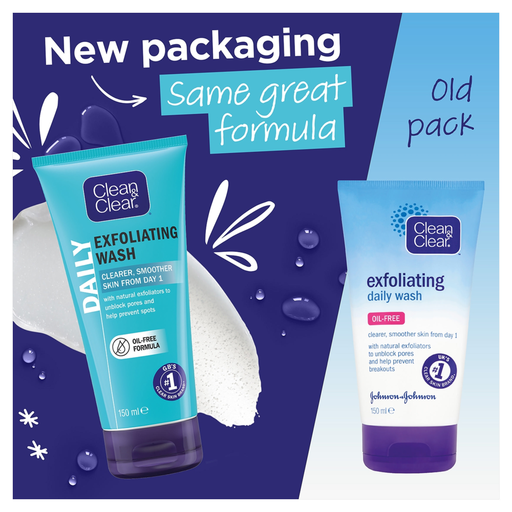
Why This Fits Their Persona: A straightforward wash-off option for shoppers beginning a basic exfoliation routine and wanting a familiar daily cleanser format.
It is rinsed away, making contact time easier to control than with a leave-on acid product. Gentle circular massage is still important.
Contains cellulose exfoliators and lactic acid; oil-free formula in a 150ml tube.
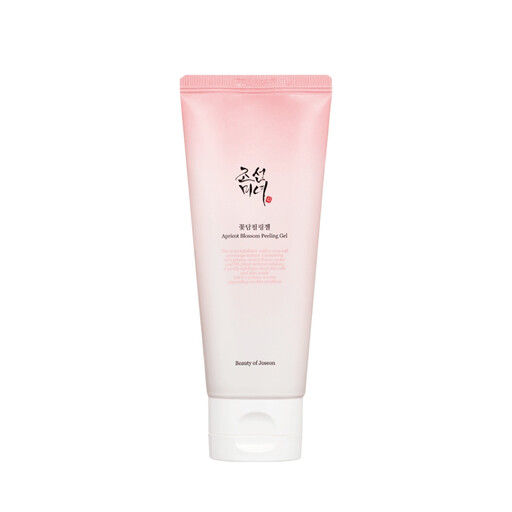
Why This Fits Their Persona: Suits shoppers who prefer a Korean face exfoliator with a weekly, wash-off ritual rather than daily acid use.
Its instructions limit use to one or two times weekly, helping prevent the overuse associated with daily scrubbing.
Gommage-style gel with cellulose and plum flower water; 100ml format for weekly use.
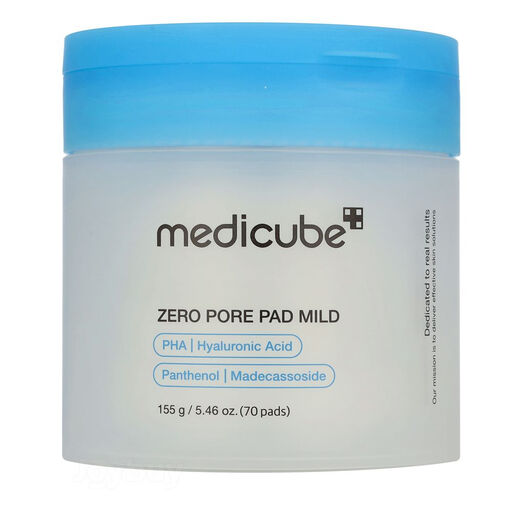
Why This Fits Their Persona: Convenient for people managing an oily T-zone or congested areas who want a pre-soaked pad after cleansing.
The mild PHA format avoids relying on harsh scrubbing; use the embossed side lightly and do not repeatedly wipe the same area.
Contains gluconolactone, panthenol and hyaluronic acid; 70 dual-textured pads per 155g container.
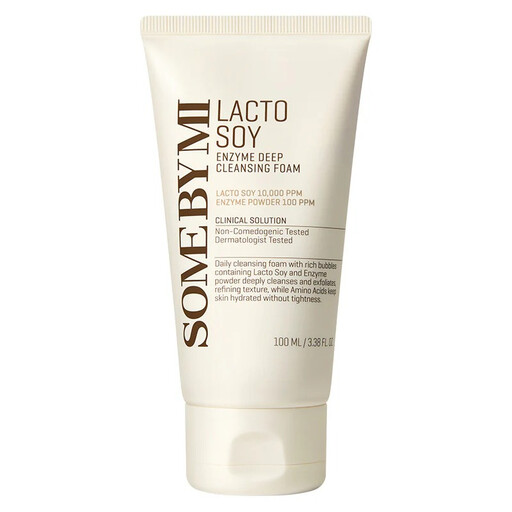
Why This Fits Their Persona: A practical choice for those wanting cleansing and mild enzyme exfoliation in one rinse-off step.
It offers a daily cleansing method plus a separate weekly mask instruction, so users can adjust contact time rather than exfoliating intensely every day.
Includes papain, lactobacillus/soybean ferment filtrate and several hyaluronic acid forms.
We have compiled a complete, real-time list of products that fully satisfy these strict selection criteria and UK safety regulations.
Start with clean, dry or damp skin according to the product instructions. Use light pressure and avoid the eye and lip areas. Introduce one exfoliating product at a time, rather than combining an exfoliating toner pad, scrub and acid serum immediately.
For sensitive skin or an acne-prone skin exfoliator routine, begin once weekly and increase only if your skin remains comfortable. Do not apply over broken skin or actively irritated blemishes. Follow with a moisturiser, and use SPF during the daytime.
It depends on the formula. A mild cleanser may be used more regularly, while a peeling gel, exfoliating toner pad or acid treatment may be better limited to once or twice weekly at first. Follow the product label and reduce frequency if dryness or stinging appears.
A BHA-containing product may help loosen oil and debris around congested pores, while a gentle physical product can remove surface build-up. Neither should be used as a substitute for squeezing or picking. Persistent or inflamed acne may require advice from a pharmacist or GP.
Using both in the same routine increases the total exfoliation load and may cause discomfort. Choose one method, moisturise afterwards and introduce any second product only after assessing your skin’s tolerance.