
24/7 Customer Support

Free returns

Same-day & Next-day Delivery

Quality Guaranteed

Unlock Your Welcome Offers: FREE Delivery | Up to 80% OFF | Free 30-day JoyPlus trial
Download the APP
A face exfoliator can help lift surface build-up, improve the feel of uneven texture and make the skin look fresher. However, choosing the wrong formula can leave your face feeling tight, uncomfortable or more congested.
The product category includes facial scrub, exfoliating face wash, toner pads, peeling gel and chemical exfoliators. They do not all work in the same way, so a product that suits oily skin may be unsuitable for someone with sensitivity or a compromised moisture barrier.
A coarse face scrub can feel as though it is working harder, but vigorous rubbing may cause unnecessary friction. Large or sharp particles can be uncomfortable around the cheeks, nose and jawline. A gentler formula used consistently is often easier to incorporate into a sensible routine.
Some products are labelled for daily use, but individual tolerance varies. A scrub containing physical particles, salicylic acid or other exfoliating ingredients may still feel too intense when combined with retinoids, vitamin C products or other acids.
Start once or twice a week unless the packaging specifically gives different directions, and reduce use if your skin feels dry, stings or becomes visibly irritated.
Terms such as “pore tightening”, “detox” and “brightening” can make a product sound more targeted than it really is. Look beyond the front label. Check the exfoliation type, the ingredient list, the recommended frequency and whether the formula contains fragrance or essential oils that may not suit your preferences.
A physical facial scrub uses particles such as cellulose, silica, rice powder, sugar or bamboo-derived materials to polish the surface. Use light pressure and avoid active blemishes or irritated areas.
Chemical exfoliators use ingredients such as PHA, AHA or BHA. PHA, including gluconolactone, is generally used in milder formulations. BHA-based products are often selected by shoppers concerned with oily or congested areas, while AHA formulas focus on surface texture.
A peeling gel uses a gommage-style texture that rolls as it is massaged. The visible rolls are a mixture of product and surface residue, rather than proof that every particle is dead skin.
For a sensitive skin exfoliator, look for a short, clearly presented ingredient list and supportive ingredients such as glycerine, panthenol, allantoin or hyaluronic acid. Fragrance, essential oils, denatured alcohol and multiple exfoliating actives may be less appealing if your skin reacts easily.
If you prefer a vegan or fragrance-free option, verify the current product packaging rather than relying solely on older online descriptions. Cosmetic formulations can change.
Toner pads are convenient for controlled application and travel, but the jar must be sealed properly so the pads do not dry out. A wash-off exfoliating face wash is quick to use in the shower, while a cream scrub or peeling gel may suit a slower weekly routine.
Always follow the product directions, avoid the eye and lip areas, and apply sunscreen during the day when using acid-based exfoliating products. For UK shoppers, check the packaging for the full INCI ingredient list, warnings, nominal quantity and responsible-person information before use.
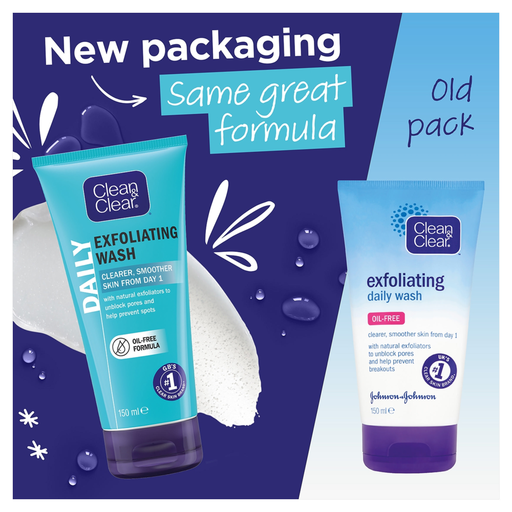
Why This Fits Their Persona: A straightforward wash-off format for shoppers who want to add exfoliation to a familiar cleansing routine without buying a separate treatment.
Its directions focus on gentle circular massage rather than aggressive scrubbing. Start less frequently if your skin is not accustomed to a daily face scrub.
150ml wash-off format; contains cellulose exfoliators and glycerine.
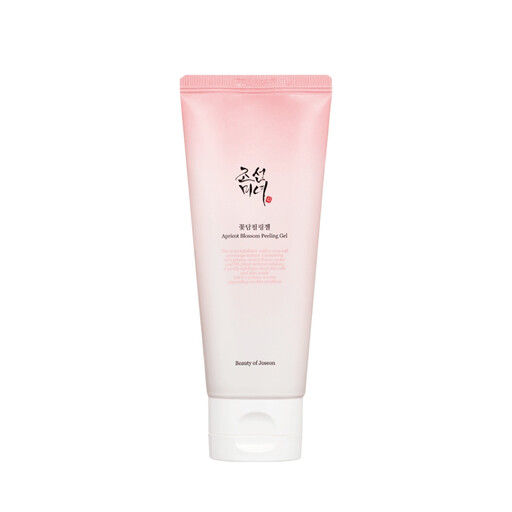
Why This Fits Their Persona: Suitable for shoppers seeking a Korean face exfoliator with a weekly, controlled application rather than a daily scrub.
The recommended 1–2 times weekly schedule helps avoid treating exfoliation as an automatic daily step.
Gommage-style peeling gel; includes cellulose and plum flower water; listed without artificial fragrance or essential oils.
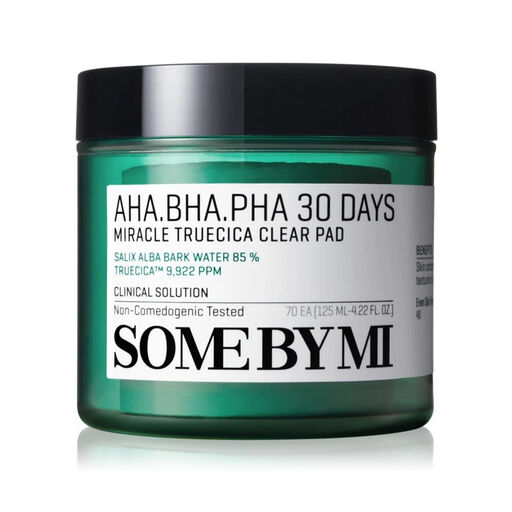
Why This Fits Their Persona: A practical option for people who prefer pre-soaked exfoliating toner pads for targeted T-zone application and consistent routines.
The dual-sided pad gives you control over application, while the packaging instructions advise reducing frequency for very sensitive skin.
70 pads; contains AHA, BHA and PHA; embossed and smooth sides for different applications.
We have compiled a complete, real-time list of products that fully satisfy these strict selection criteria and UK safety regulations.
For many people, once or twice a week is a sensible starting point. Some low-friction cleansing products are labelled for daily use, but tolerance depends on your skin and the rest of your routine. Reduce use if you experience tightness, stinging or flaking.
A blackhead scrub may help remove surface oil and dead skin, but it cannot guarantee that every blocked pore will clear. Products containing BHA, such as salicylic acid, are commonly chosen for oily or congested areas. Avoid forceful rubbing and do not use a scrub on irritated blemishes.
Choose exfoliating toner pads if convenience and targeted application matter, particularly around the nose and forehead. A peeling gel may suit someone wanting a weekly reset with a wash-off finish. Compare the ingredients and instructions, then choose one format rather than layering several exfoliators together.