
24/7 Customer Support

Free returns

Same-day & Next-day Delivery

Quality Guaranteed

Unlock Your Welcome Offers: FREE Delivery | Up to 80% OFF | Free 30-day JoyPlus trial
Download the APP
A suitable face exfoliator can help lift dead skin cells, smooth uneven texture and remove surface build-up. However, choosing by an attractive label alone can lead to dryness, stinging or a product that does not suit your routine.
UK shoppers comparing a facial exfoliator should look beyond phrases such as “deep cleansing” or “instant glow”. The format, active ingredients, contact time and intended area of use all affect how practical a product will be.
High concentrations of AHA, BHA or retinol may not be suitable for someone new to exfoliation. A product with several acids can feel appealing when targeting dullness and blocked pores, but using it too frequently may leave skin uncomfortable.
A gentler AHA BHA PHA exfoliator, enzyme cleanser or PHA pad may be easier to introduce gradually. Always follow the product directions rather than copying another person’s routine.
A face scrub uses rubbing action and particles such as cellulose, sugar or rice powder. A chemical exfoliator uses ingredients including glycolic acid, lactic acid, salicylic acid or gluconolactone to loosen surface build-up.
Neither format suits everyone. Pressing too firmly with a scrub can increase friction, while leaving an acid peel on for longer than directed can cause irritation. A peeling gel may offer a different texture and application experience, but it still requires gentle handling.
A body scrub is generally formulated for areas such as arms, legs and elbows, where the skin may tolerate a more substantial texture. It should not automatically be used on the face. Check the stated application area, especially when a product contains fragrance, essential oils, larger particles or a rich oil base.
Choose a format that fits your existing routine:
Check whether the product is designed for daily or weekly use. A product labelled for frequent use is not necessarily appropriate for every skin type.
Ingredient choice should match your main concern:
A listed percentage can help with comparison, but it does not describe the complete formula or guarantee a particular result. Look for moisturising and soothing ingredients such as glycerin, panthenol, allantoin or hyaluronic acid when dryness is a concern.
People with sensitive, dry or acne-prone skin should avoid applying exfoliators to broken, inflamed or irritated areas. Fragrance, essential oils and alcohol may also be worth checking if your skin is reactive.
Patch testing can help identify obvious sensitivity, but it cannot guarantee that a product will suit your whole face. Introduce one exfoliating product at a time, use a moisturiser afterwards and apply broad-spectrum sunscreen during the day when using acid-based products.
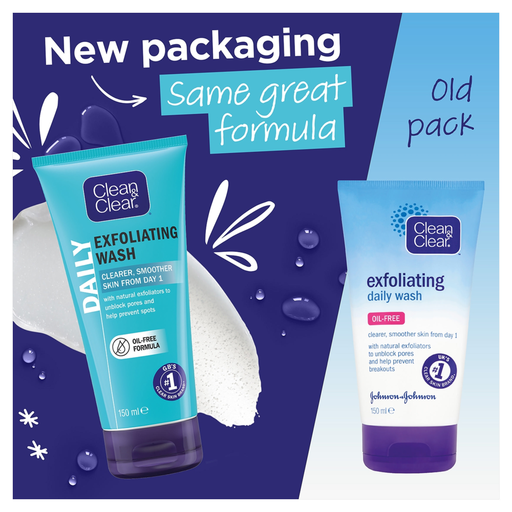
Why This Fits Their Persona: A straightforward wash-off format for shoppers starting a basic exfoliation routine without adding a separate treatment step.
The product is rinsed away rather than left on the skin, helping beginners control contact time. Use light pressure and follow the stated directions.
Contains natural exfoliators and lactic acid; oil-free wash format suitable for a simple cleansing routine.
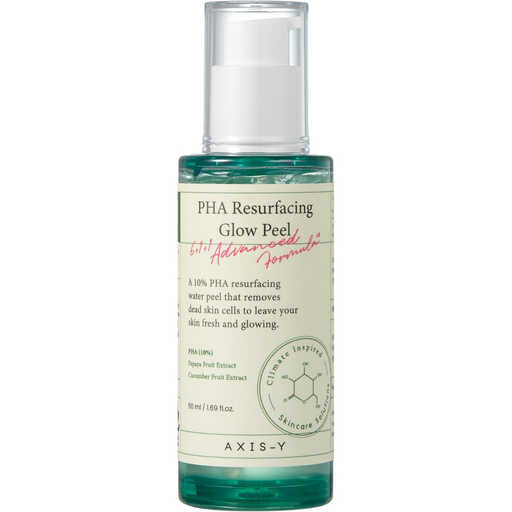
Why This Fits Their Persona: A measured gel treatment for shoppers who prefer a dedicated weekly skincare step and a clearly identified PHA formula.
The 10% gluconolactone formula has a stated active and a defined 10–15-minute application period, reducing guesswork about strength and timing.
Contains 10% gluconolactone and botanical extracts including cucumber, papaya and centella; vegan and cruelty-free according to the product description.
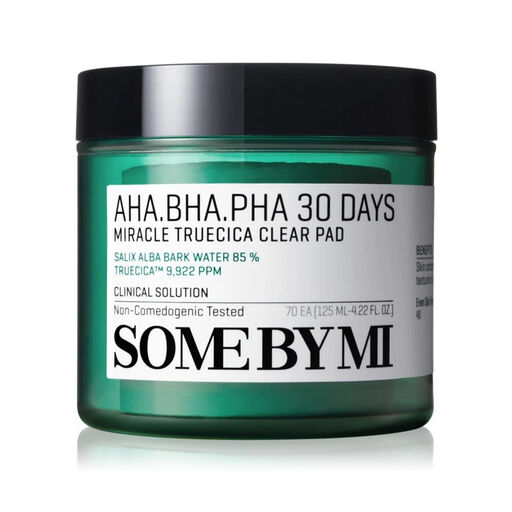
Why This Fits Their Persona: Useful for shoppers who want a pre-soaked pad to target the T-zone, nose and areas prone to surface oil or build-up.
The dual-sided pad makes it possible to use a textured side only where needed, then a smoother side across the face. Start less frequently if your skin is sensitive.
Contains willow bark water, betaine salicylate, citric acid and lactobionic acid; 70 pads supplied in a sealed jar.
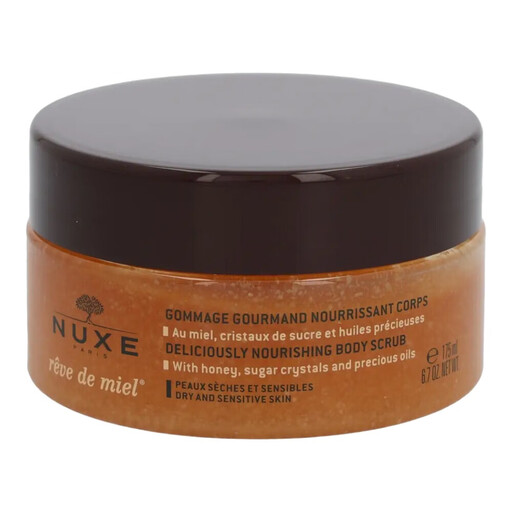
Why This Fits Their Persona: Designed for shoppers who want a richer shower scrub for dry-feeling areas such as legs, elbows and arms rather than a facial treatment.
It is clearly positioned as a body scrub, helping prevent the common mistake of applying a richer sugar-and-oil formula to facial skin.
Uses sugar crystals with honey, sunflower oil and shea butter; the balm texture transforms into an oil when mixed with water.
We have compiled a complete, real-time list of products that fully satisfy these strict selection criteria and UK safety regulations.
This depends on the formula and your skin’s tolerance. A rinse-off scrub may be used once or twice weekly, while some cleansers and pads carry daily-use directions. Begin less frequently, avoid combining several exfoliating products and stop if persistent redness, burning or discomfort develops.
Look for a gentle format with a simple ingredient list and moisturising ingredients. PHA products, soft peeling gels and enzyme cleansers may be more suitable starting points than high-strength acid treatments or abrasive scrubs. Do not apply any exfoliator to broken or irritated skin.
Some products are specifically labelled for daily use, but that does not make every exfoliator suitable for everyday application. Check the packaging, introduce the product gradually and use sunscreen during the day when applying acid-based formulas. A consistent, comfortable routine is more practical than frequent over-exfoliation.