
24/7 Customer Support

Free returns

Same-day & Next-day Delivery

Quality Guaranteed

Unlock Your Welcome Offers: FREE Delivery | Up to 80% OFF | Free 30-day JoyPlus trial
Download the APP
By Joybuy Product Recommendation Officer
A well-chosen face exfoliator can help improve the look of dullness, rough texture, excess oil and visible pores. However, exfoliating skincare is not automatically better because it feels stronger or produces visible rolling during use. The right choice depends on the formula, frequency and how well it fits your existing routine.
Tingling, warmth and tightness are often treated as signs that a facial exfoliator is working. In practice, these sensations may simply indicate that the formula is highly concentrated, contains alcohol or fragrance, or is being used too frequently.
A high-strength chemical exfoliant may suit experienced users, but it is not necessarily appropriate for someone new to acids or with easily reactive skin. Check the active ingredients and recommended contact time rather than judging performance by sensation alone.
Peeling gels and gommage products can form small rolls when massaged. These rolls are usually a combination of the product’s cellulose or polymer ingredients, oil and surface debris. They should not automatically be interpreted as large amounts of dead skin being removed.
A gentle peeling gel can still be useful for a weekly refresh, but avoid rubbing aggressively to produce more residue. Excessive friction can make a routine uncomfortable, particularly for sensitive or blemish-prone skin.
Using an exfoliating toner pad, salicylic acid exfoliator, glycolic acid peel and retinoid in the same routine can increase the chance of dryness or irritation. A cleanser, exfoliant and moisturiser may appear simple, but several products can contain overlapping acids.
Introduce one new exfoliating product at a time. Follow the instructions on the packaging, patch test where appropriate and reduce frequency if your skin becomes uncomfortable. Exfoliating products should not be applied to broken, inflamed or irritated skin.
The main acid families have different practical uses:
An AHA BHA PHA exfoliator combines several approaches, but more active ingredients do not remove the need for careful use.
Choose the format that matches your routine:
Look at the directions, not just the product name. A one-minute rinse-off serum and a daily leave-on peel require different planning.
Exfoliating acids can feel drying, so supporting ingredients such as glycerin, panthenol, allantoin, hyaluronic acid and centella may be useful additions. Also check for ingredients you personally avoid, such as fragrance, essential oils or alcohol.
If a formula contains a retinoid, do not automatically pair it with another strong exfoliant. During daytime, use a broad-spectrum sunscreen and follow the product’s sun-sensitivity warning. Patch testing is sensible, especially when choosing a sensitive skin exfoliator or a high-acid treatment.
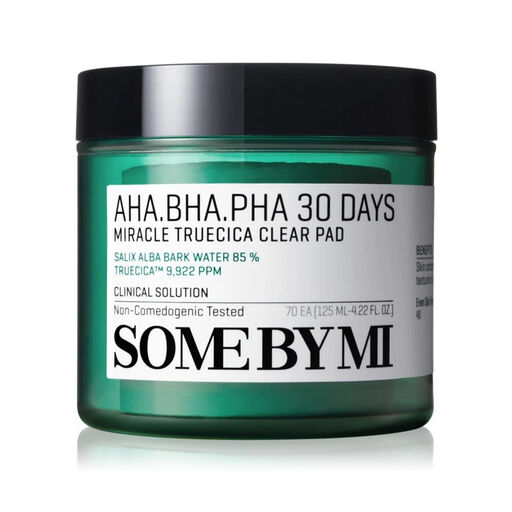
Why This Fits Their Persona: Pre-soaked pads provide a straightforward way to add exfoliation to a UK morning or evening routine without measuring liquid or using a separate cotton pad.
The dual-sided pad makes it easier to control friction: use the textured side selectively and the smooth side for broader application. The jar should be closed firmly to prevent drying.
Contains AHA, BHA and PHA in one pad format, with panthenol, hyaluronic acid and allantoin. Supplied as 70 pads.
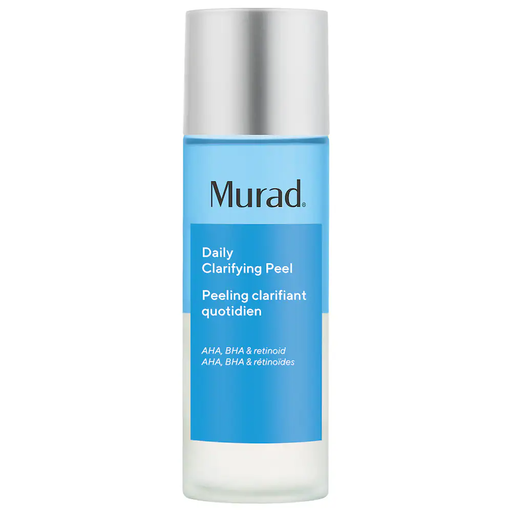
Why This Fits Their Persona: A leave-on bi-phase formula suits users who prefer a structured, daily-style treatment and are comfortable following a more detailed skincare routine.
The directions specify shaking the two phases together and applying with a cotton pad. This makes the use method clear rather than relying on an undefined “strong” sensation.
Combines glycolic acid, salicylic acid and a retinoid. The alcohol-free formula is designed for balanced, oily, combination and dry skin types.
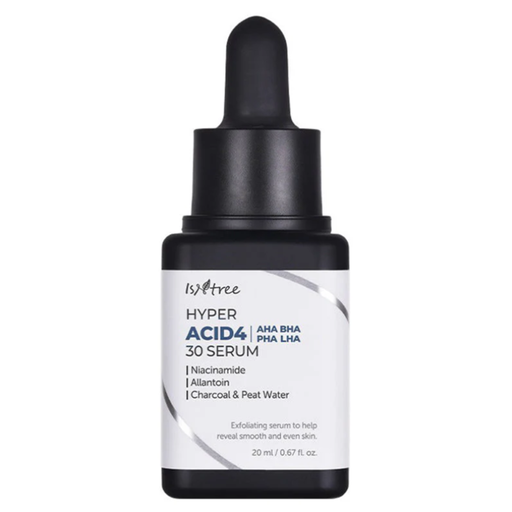
Why This Fits Their Persona: The one-minute rinse-off format is suitable for users seeking an occasional intensive treatment rather than another daily leave-on step.
Its short contact time makes the treatment easier to schedule and stop. The product instructions recommend starting at once or twice weekly and patch testing first.
Contains AHA, BHA, PHA and LHA, with a stated 30% total exfoliating-acid formula. It is rinsed off after approximately one minute.
We have compiled a complete, real-time list of products that fully satisfy these strict selection criteria and UK safety regulations.
Start with the frequency stated on the packaging, often once weekly for stronger peels or one to three times weekly for milder treatments. Daily use should only be considered when the specific product instructions support it and your skin remains comfortable. Avoid using multiple exfoliants on the same day until you understand how your skin responds.
A PHA peel, gentle peeling gel or short-contact rinse-off product may be easier to introduce than a high-strength glycolic acid peel. Still, “gentle” is not a guarantee of compatibility. Check the ingredient list, patch test when appropriate and stop if you experience persistent burning, swelling, rash or significant redness.
Some toner pads are labelled for frequent use, but the answer depends on their acid blend, your skin condition and the rest of your routine. If you also use retinoids, acne treatments or other acids, alternate days may be more appropriate. Always apply sunscreen during daytime use of exfoliating skincare and follow the product’s specific warnings.