
24/7 Customer Support

Free returns

Same-day & Next-day Delivery

Quality Guaranteed

Unlock Your Welcome Offers: FREE Delivery | Up to 80% OFF | Free 30-day JoyPlus trial
Download the APP
A face exfoliator can help remove surface dead skin cells, loosen excess oil and leave rough areas feeling smoother. However, choosing one is not simply a matter of picking the product with the strongest wording on the label. A gritty face scrub may feel effective but prove uncomfortable, while a chemical exfoliator can be too active if introduced too quickly.
UK shoppers should also check whether a product is designed for the face, how often it should be used and which ingredients match their skin type. This guide explains the main buying pitfalls and compares practical options for different routines.
Body scrubs often contain larger, coarser particles and richer oils. They are not automatically suitable for facial skin. For example, the Sol De Janeiro Bum Bum Body Scrub is specifically labelled for body use only, so it should not be used as a facial exfoliator.
Always check the product description and directions. A product labelled body scrub is not a substitute for a face scrub, even if it promises smooth skin.
A high concentration of acids, frequent use or vigorous rubbing can increase the risk of dryness, stinging and visible irritation. A product that feels intensely active is not necessarily a better match for your routine.
If you are new to exfoliation, a gentle face exfoliator used once weekly may be more practical than a high-strength peel. Skin tolerance, not marketing language, should guide frequency.
Salicylic acid is commonly selected for oily or congested skin, but it is only one part of a formula. Fragrance, alcohol, essential oils, physical particles and cleansing agents may also affect comfort.
Read the current ingredient list on the packaging before use, particularly if you have sensitive, acne-prone or reactive skin. Product information can change, and the packaging is the most relevant source for the item you receive.
A physical face scrub uses particles such as cellulose, rice powder, sugar or other materials to polish the skin’s surface. Use light pressure and avoid rubbing over active irritation.
A chemical exfoliator uses acids or related ingredients to loosen dead skin cells. Common categories include:
Peeling gels and peeling creams may combine gommage-style rolling with cellulose or fruit-derived ingredients. The visible “rolls” are not necessarily all dead skin; some may be the product binding together during massage.
Look for clearly stated ingredients and concentrations where available. The Axis-Y PHA Resurfacing Glow Peel lists 10% gluconolactone, while the Peter Thomas Roth peel pads list a 20% glycolic acid complex and 1.5% retinol. These specifications indicate a more intensive routine choice than a basic exfoliating face wash.
The Some By Mi pads list 0.5% betaine salicylate, alongside AHA and PHA ingredients. A salicylic acid exfoliator may appeal to oily or blackhead-prone shoppers, but avoid stacking several acid products in the same routine until you know your skin’s tolerance.
Check whether the product is intended for daily use, one to two times weekly or occasional treatment. “Daily” on a product label is not a requirement for every user; it is a direction that should still be adjusted if dryness or irritation develops.
For acid-based products, daytime broad-spectrum sunscreen is a sensible precaution because exfoliation can increase sensitivity to sunlight. Do not apply exfoliants to broken, sunburnt or inflamed skin. A patch test can help identify potential intolerance, although it cannot guarantee that a product will suit everyone.
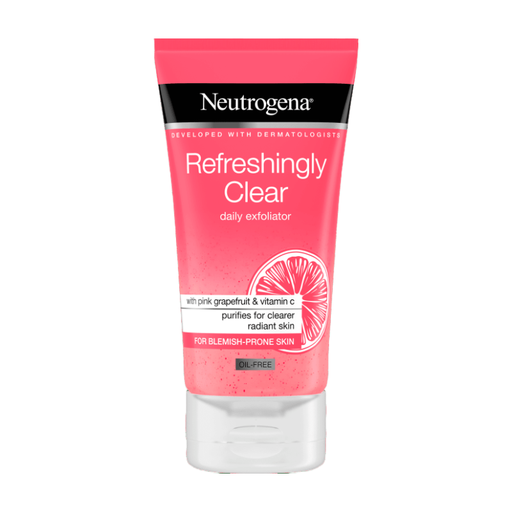
Why This Fits Their Persona: A straightforward option for shoppers wanting a familiar face scrub format for normal or blemish-prone skin.
It is clearly presented as a facial product rather than a body scrub, with directions for use on wet skin and gentle massage.
150ml size; contains salicylic acid and natural exfoliators.
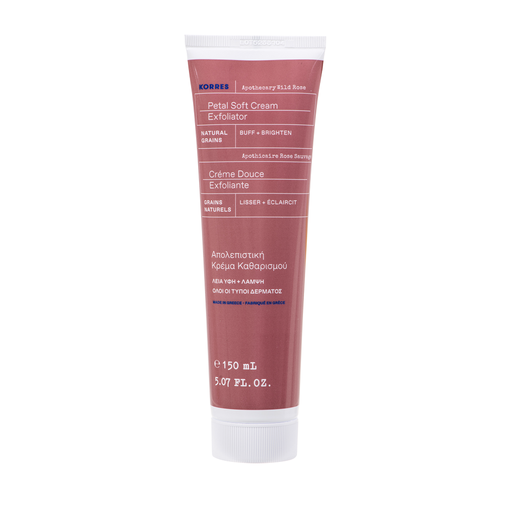
Why This Fits Their Persona: Suits shoppers who prefer a creamy texture and a more sensorial daily cleansing step.
Its cream format offers an alternative to a highly abrasive scrub, while the directions specify soft circular motions on damp skin.
150ml format; includes rice powder, fruit acids and salicylic acid.
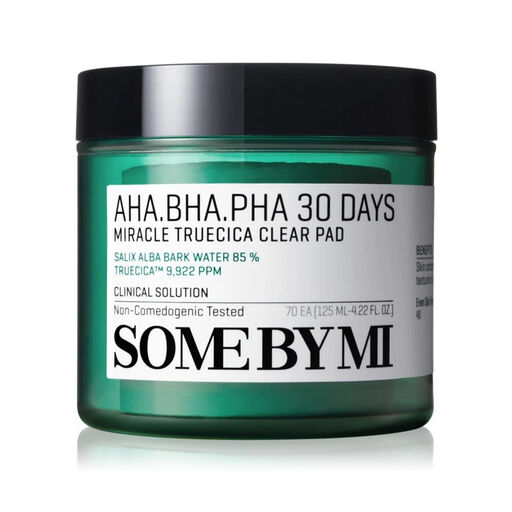
Why This Fits Their Persona: A convenient choice for oily, combination or congested-skin routines where a pre-soaked pad is easier than a rinse-off scrub.
The ingredient list identifies the acid format and betaine salicylate level, making it easier to plan frequency rather than guess from bold claims.
70 pads; dual-sided embossed and smooth cotton surfaces; contains AHA, BHA and PHA.
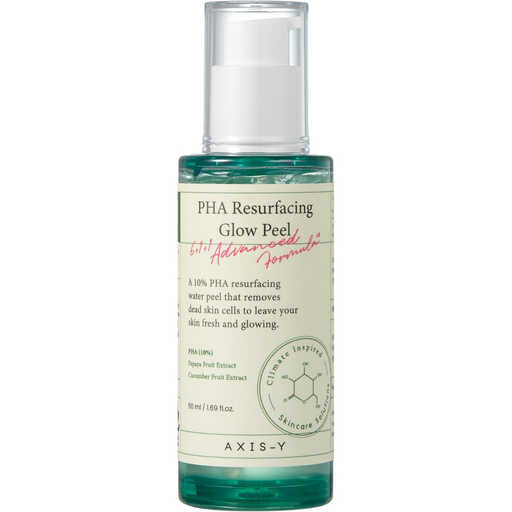
Why This Fits Their Persona: Suitable for shoppers seeking a defined weekly peeling gel rather than a daily scrub or toner.
The 10% gluconolactone specification and 10–15-minute rinse-off directions provide clear boundaries for controlled use.
50ml size; PHA-based gel; includes glycerin and centella asiatica extract.
We have compiled a complete, real-time list of products that fully satisfy these strict selection criteria and UK safety regulations.
It depends on the formula and your skin’s tolerance. A physical face scrub is commonly used once or twice weekly, while some exfoliating face washes are labelled for daily use. Acid products should usually be introduced less often, following the individual directions. Reduce use if your skin feels tight, sore or unusually dry.
A salicylic acid exfoliator or BHA-containing product is often considered when the main concerns are excess oil and blocked pores. Look for a clearly listed ingredient and avoid using multiple BHA products together. Physical scrubs can remove surface residue but should not be relied on as the only approach for persistent blackheads.
Cosmetic products have a shelf life and, once opened, may carry a period-after-opening symbol. Keep the lid or cap closed and store the product away from direct sunlight and heat. Check the batch details, opening guidance and latest ingredient information printed on the packaging before use.