
24/7 Customer Support

Free returns

Same-day & Next-day Delivery

Quality Guaranteed

Unlock Your Welcome Offers: FREE Delivery | Up to 80% OFF | Free 30-day JoyPlus trial
Download the APP
By Joybuy Product Recommendation Officer
Finding suitable face exfoliators can be difficult when product labels promise instant radiance, smaller-looking pores and smoother skin. A daily face scrub, chemical peel for face and exfoliating cleanser all work differently, so choosing by marketing language alone can lead to dryness, irritation or an unused bottle in the bathroom cabinet.
The practical approach is to match the formula, frequency and texture to your skin’s needs. This guide explains the main buying pitfalls, the ingredients worth checking and our top recommendations for different UK skincare routines.
A higher acid percentage or rougher particles do not automatically make a facial exfoliator more suitable. Combining an AHA exfoliator, BHA exfoliator, retinoid and physical scrub in the same routine may increase the chance of discomfort, particularly for dry or sensitive skin.
Start with one exfoliating product and use it at the frequency stated on the packaging. If your skin feels tight, sore, unusually flaky or persistently red, reduce use or stop.
Physical face scrubs can leave skin feeling immediately polished, but coarse particles and vigorous rubbing may be unsuitable for irritated skin. Gommage gels, fine cellulose, konjac beads and smooth silica particles offer different levels of physical exfoliation.
A product that feels “powerful” is not necessarily a good match for daily use. Consider whether you need a rinse-off cleanser, a weekly peeling gel or a leave-on treatment.
AHAs, including glycolic and lactic acid, can make skin more sensitive to sunlight. A BHA exfoliator containing salicylic acid may suit oily or congested skin, but it still needs careful introduction. Avoid applying exfoliants to broken, sunburnt or inflamed skin, and use sunscreen during the day as directed by the product instructions.
AHA exfoliators, such as glycolic and lactic acid, are generally selected to improve the appearance of dullness and uneven surface texture. BHA exfoliators, particularly salicylic acid, are commonly chosen for oily or congested skin because the ingredient is oil-soluble.
PHAs tend to have larger molecules than AHAs, making them a consideration for shoppers who prefer a gentler exfoliating format. Enzymes and fruit extracts may also appear in peeling products, but their presence does not by itself indicate strength or suitability.
Look beyond the headline active. Glycerin, betaine, panthenol, hyaluronic acid and allantoin can support a more comfortable routine. Fragrance, essential oils, alcohol or multiple exfoliating systems may be worth noting if your skin is reactive.
Always check the current ingredient list on the packaging, as formulations can change. Patch testing is sensible, especially before using a new chemical peel for face or leave-on acid product.
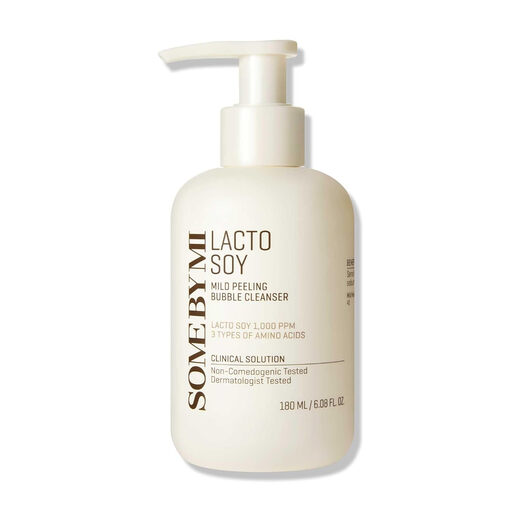
Why This Fits Their Persona: A rinse-off cleanser format suits shoppers starting a simple routine and wanting an exfoliating step that fits around a busy weekday schedule.
It combines a short-contact bubble cleanser with low-irritation konjac beads, rather than relying only on harsh scrubbing.
Contains glycerin, betaine and glucose; 180ml size provides a practical everyday cleansing format.
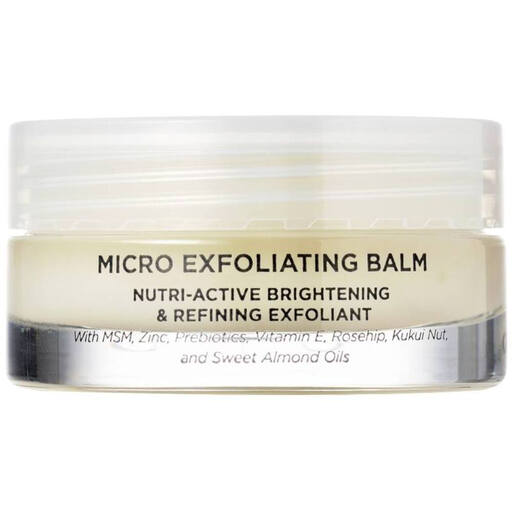
Why This Fits Their Persona: The balm-to-milk texture is suited to shoppers who prefer a more substantial, comfort-focused evening cleansing ritual.
The formula uses biodegradable MSM granules and advises use two to three times weekly, discouraging unnecessarily frequent polishing.
Includes sweet almond oil, shea butter and omegas 3/6/9; emulsifies with water before rinsing.
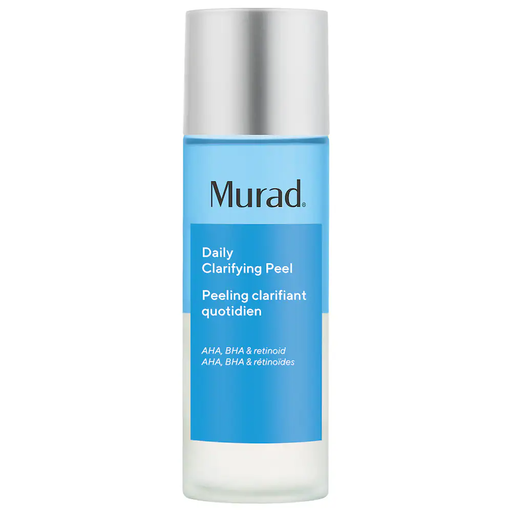
Why This Fits Their Persona: A shopper managing visible congestion may prefer a dedicated leave-on peel with clearly listed exfoliating ingredients.
Its bi-phase format makes the instruction to shake before use clear, while the product guidance also highlights SPF and stopping if irritation occurs.
Contains glycolic acid, salicylic acid and retinyl propionate; alcohol-free according to the supplied product information.
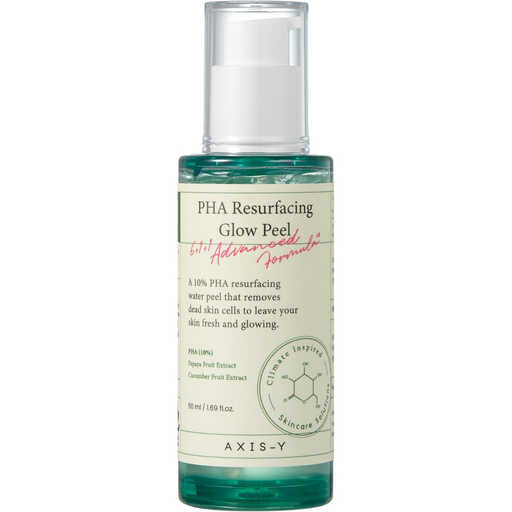
Why This Fits Their Persona: Its rinse-off gel format and stated 10 to 15-minute application make it suitable for a planned weekly skincare exfoliation session.
It uses one clearly identified exfoliating acid, gluconolactone, rather than stacking several strong acids and a physical scrub.
Contains 10% gluconolactone and soothing extracts including cucumber and centella asiatica.
We have compiled a complete, real-time list of products that fully satisfy these strict selection criteria and UK safety regulations.
It depends on the formula and your skin’s response. A rinse-off exfoliating cleanser may be used more frequently if the packaging permits, while a peel, face scrub or leave-on AHA product may be intended for one to three applications weekly. Begin less often if your skin is sensitive.
A salicylic acid face scrub may help cleanse oily, congested areas, while physical particles remove surface debris. However, blackheads can persist, and vigorous rubbing may cause irritation. Choose a product with clear directions and avoid using it alongside several other exfoliating treatments.
Yes. After rinsing an exfoliator, apply a moisturiser suited to your skin type. This helps make the routine more comfortable and reduces the temptation to overuse the product when skin feels dry or tight.