
24/7 Customer Support

Free returns

Same-day & Next-day Delivery

Quality Guaranteed

Unlock Your Welcome Offers: FREE Delivery | Up to 80% OFF | Free 30-day JoyPlus trial
Download the APP
Buying face makeup brushes can seem straightforward until you are faced with dozens of shapes, bristle types and claims about “professional” results. The wrong brush may absorb too much foundation, leave powder patchy or make blending around the nose and eyes unnecessarily difficult.
For UK shoppers, the most useful approach is to look past promotional language and assess the brush’s shape, fibres, formula compatibility and care requirements.
A large, fluffy brush may look versatile, but it may be unsuitable for liquid foundation or detailed contouring. Likewise, a flat foundation brush can provide controlled coverage but may need extra blending to soften visible brush marks.
Match the shape to the task:
Very loose bristles can feel pleasant but may not distribute product evenly. For foundation, concealer and cream blush, look for a balanced density that picks up product without soaking it into the brush.
A densely packed buffing brush can help blend cream and liquid formulas, while a softer powder brush is generally more suitable for diffusing loose or pressed powders.
Makeup residue can build up between washes, affecting application and hygiene. Handles and ferrules also need appropriate care. Painted handles may be damaged by alcohol-based wiping, while prolonged soaking can loosen the ferrule or affect the handle.
A brush that is difficult to clean or store may become an expensive short-term purchase, even if its initial price is low.
Synthetic makeup brushes are commonly made from nylon or other man-made fibres. They are suitable for liquid, cream and powder products, and many shoppers prefer them because they do not use animal hair.
Some products are specifically described as vegan makeup brushes, but check the individual product information rather than assuming every synthetic brush has the same certification or construction. Synthetic fibres can also be easier to clean because they do not absorb liquids in the same way as some natural hairs.
The brush head should correspond to the coverage and precision you need:
There is no single shape that suits every formula or routine. A beginner may benefit from a multi-purpose brush, while someone who applies several complexion products may prefer dedicated tools.
Wash face makeup brushes regularly with a gentle brush cleanser or mild shampoo. Rinse the bristles thoroughly, squeeze away excess water and dry the brush flat where possible. Avoid standing a wet brush upright, as water may run into the ferrule and weaken the bond.
Do not soak painted handles for long periods, and follow the care guidance supplied with the product. Replace a brush when it sheds significantly, develops an odour that remains after washing, or no longer keeps its shape.
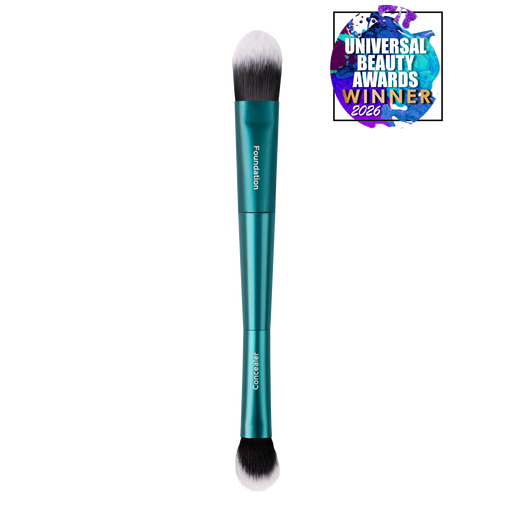
Why This Fits Their Persona: Two brush ends cover larger foundation areas and more precise concealer work, helping beginners build a practical routine without buying separate tools immediately.
The dual-ended layout reduces the need to rely on one unsuitable brush for both broad coverage and detailed areas.
Two synthetic brush heads; suitable for foundation, primer and concealer, with a smaller end for targeted application.
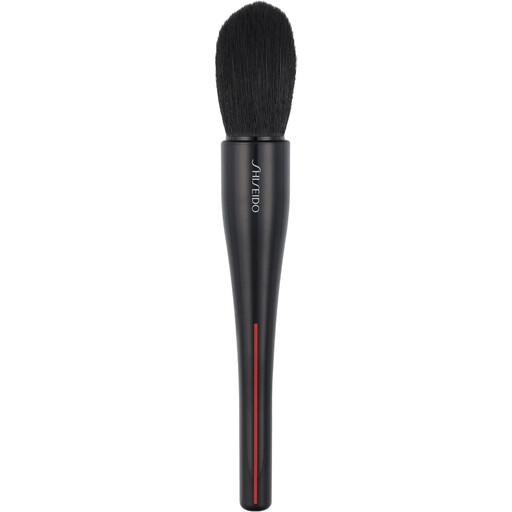
Why This Fits Their Persona: Its tapered, round shape is designed for shoppers wanting one refined tool for blush, bronzer, highlighter, contour and setting powder.
The pointed tip and rounded side provide different application options rather than offering a vague “all-in-one” claim.
Synthetic fibres; tapered round head; suitable for multiple powder products and controlled blending.
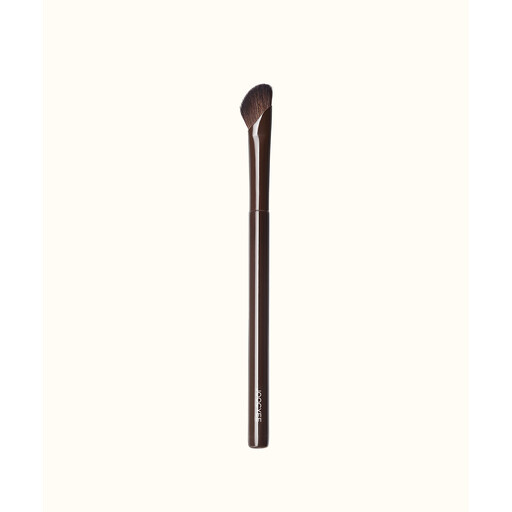
Why This Fits Their Persona: Shoppers who regularly contour the nose may prefer a compact shape that follows the bridge and sides more precisely than a large contour brush.
Its purpose-built shape avoids using an oversized brush in a narrow area, where excess product can be harder to soften.
Compact synthetic fibres; designed for nose contour powder and controlled, narrow application.
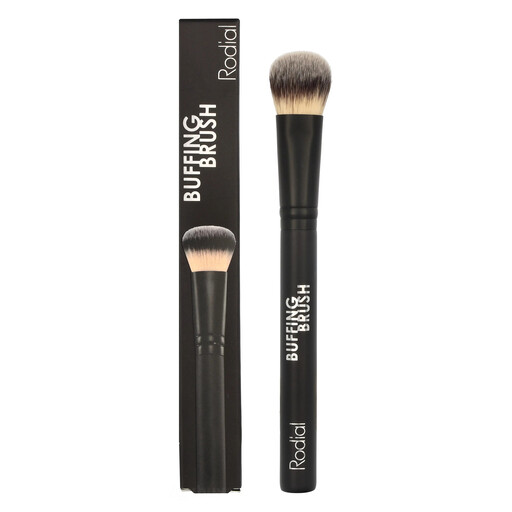
Why This Fits Their Persona: Regular users of primer, foundation, concealer and cream bronzer may value a dense, dome-shaped brush that handles several textures.
The dense rounded head is specified for buffing cream, liquid and stick products, while the domed tip reaches around the nose and under the eyes.
100% synthetic fibres; vegan and cruelty-free product description; lightweight handle designed for repeated use.
We have compiled a complete, real-time list of products that fully satisfy these strict selection criteria and UK safety regulations.
A practical starting routine can use three brushes: a foundation or buffing brush, a powder brush and a blush or contour brush. A dual-ended complexion brush can reduce the number of individual tools, while a separate concealer brush is useful for detailed coverage.
For brushes used with liquid or cream products, weekly cleaning is a sensible routine for many users. Powder brushes may need cleaning less frequently, depending on how often they are used and whether products are shared. Always allow brushes to dry fully before storing them.
A retractable powder brush can be convenient for handbags because its lid helps protect the bristles from dust and contact with other items. Check that the mechanism extends and closes smoothly, and avoid forcing it if product build-up affects the moving parts.