
24/7 Customer Support

Free returns

Same-day & Next-day Delivery

Quality Guaranteed

Unlock Your Welcome Offers: FREE Delivery | Up to 80% OFF | Free 30-day JoyPlus trial
Download the APP
Choosing face makeup brushes can seem straightforward until a foundation brush leaves streaks, a contour brush picks up too much powder or a supposedly multi-purpose tool becomes difficult to clean. For UK shoppers, the right choice depends less on impressive wording and more on the brush head, fibre material, intended formula and care requirements.
Whether you are building a first collection or replacing tools that have lost their shape, these practical checks can help you avoid unnecessary spending.
Densely packed bristles can help buff liquid and cream products, but a very firm head may move rather than blend lightweight powder. Conversely, a loose powder brush may not provide enough control for foundation or concealer.
Check whether the product description clearly states which formulas it supports: liquid, cream, stick, powder or a combination. A multi-purpose face brush is useful only when its shape suits the textures you regularly wear.
Softness is important for comfort, particularly around the eyes and nose, but a brush also needs enough structure to distribute product evenly. Look for wording such as densely packed, rounded, tapered or flat paddle-shaped, rather than relying on “luxury” or “professional” alone.
A foundation brush with a flat or angled shape may offer controlled coverage, while a rounded buffing brush is generally more suitable for working product into larger areas using circular motions.
Makeup residue can build up quickly on face makeup brushes, especially those used with liquid foundation, concealer and cream bronzer. A brush that cannot be cleaned properly may become unpleasant to use, regardless of its initial price.
Read the care instructions before purchasing. Some handles should not be soaked, stood upright while wet or exposed to alcohol-based cleaners. For hygiene, clean brushes regularly, rinse thoroughly and allow them to dry completely before storage.
Match the head to the task:
A synthetic makeup brush is often a practical option for liquid and cream products because the fibres do not absorb formula in the same way as some natural hairs. Synthetic fibres are also available in vegan makeup brush designs and can be cleaned with a suitable mild cleanser.
Look for the stated fibre material rather than assuming it from the product name. Also check whether the ferrule and handle are described, as secure bristle retention and a comfortable grip affect everyday use.
A dual-ended makeup brush can save space in a travel bag or small dressing area. However, both ends need to be stored without pressing against surfaces, and cleaning can take slightly longer.
Consider the brush’s proportions. A two-in-one design with a large complexion head and a smaller concealer head may suit a compact routine, while a brush with a sponge tip may be more useful for occasional detailing than full-face application.
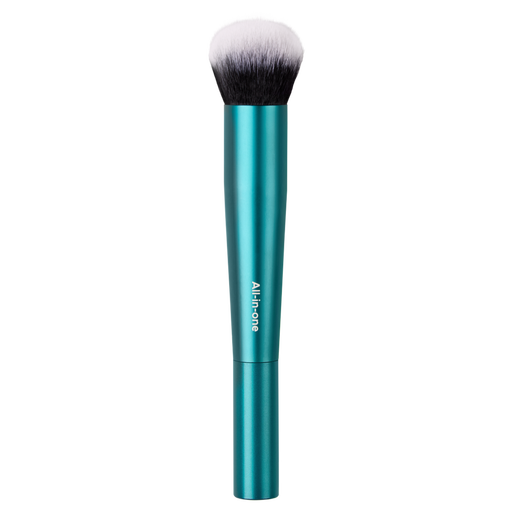
Why This Fits Their Persona: A practical single-brush option for beginners in the UK who use liquid, cream and powder complexion products and want to keep their makeup bag compact.
Its stated compatibility with liquid, cream and powder formulas makes the intended versatility clearer than a generic multi-tasking claim.
Densely shaped synthetic bristles; supports circular buffing and buildable coverage.
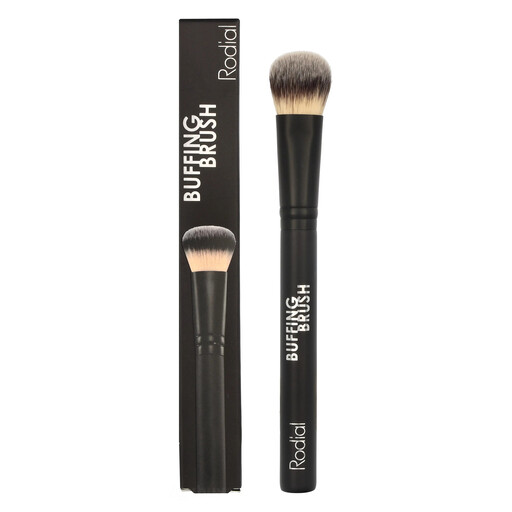
Why This Fits Their Persona: Suitable for shoppers who prioritise a comfortable grip and a dedicated complexion tool for regular liquid, cream and stick makeup application.
The product information identifies a dense dome-shaped head and specifies use around the nose and under the eyes, rather than relying only on broad finish language.
Synthetic fibres; lightweight handle designed for a secure grip.
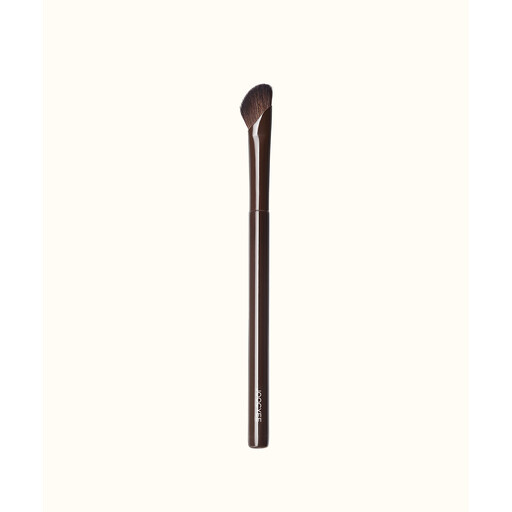
Why This Fits Their Persona: A focused choice for shoppers who already own core face makeup brushes but want more control for nose contouring and detailed powder placement.
Its narrow, nose-shaped design is intended for a specific area, reducing the risk of using an oversized contour brush that deposits colour too broadly.
Synthetic fibres; compact shape follows the bridge and sides of the nose.
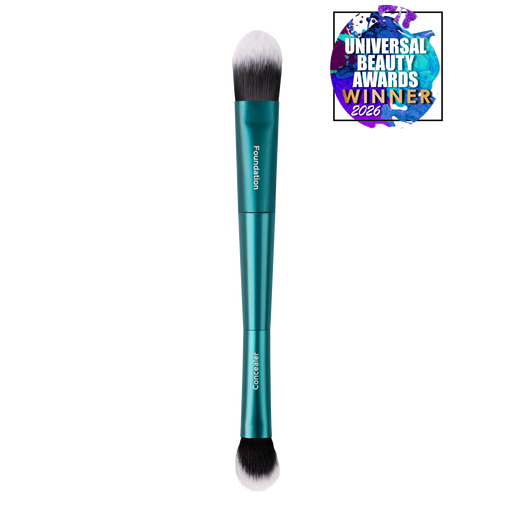
Why This Fits Their Persona: Useful for commuters, travellers and minimalists who want foundation and concealer coverage in one lightweight tool.
The two ends have defined roles: a larger paddle brush for foundation and a smaller one for targeted concealer application.
Dual-ended format; synthetic bristles for cream and liquid products.
We have compiled a complete, real-time list of products that fully satisfy these strict selection criteria and UK safety regulations.
For liquid or cream products, start with a small amount and build coverage gradually. A buffing brush can be used in circular or dabbing movements, while a flat foundation brush generally works with short, controlled strokes. Use the clean side or a separate concealer brush around the eyes and nose to avoid transferring excess base product.
For powder, lightly load the brush, tap away excess and apply with sweeping or pressing motions. A contour brush should place colour precisely before the edges are softened. With a highlighter brush, use a small amount first because shimmer and reflective powders can become difficult to blend once heavily applied.
Wash bristles with warm water and a gentle cleanser. Keep water directed towards the tips rather than the ferrule, avoid soaking wooden or painted handles and lay the brush flat to dry where possible. Replace a brush when bristles shed heavily, remain misshapen or no longer clean properly.
A basic routine can start with three: a foundation or buffing brush, a concealer brush and a powder or blush brush. Add a contour brush or highlighter brush if those products are part of your regular routine. A dual-ended makeup brush can reduce the number of separate tools, although both ends still require regular cleaning.
Synthetic fibres are often chosen for their smooth texture and compatibility with liquid, cream and powder formulas. However, individual skin can react to brush cleanser, makeup residue or friction. Clean brushes regularly, avoid pressing too hard and stop using a tool if irritation occurs.
There is no fixed replacement interval. Lifespan depends on how frequently the brush is used, the formulas applied and how it is washed. Replace it when fibres shed, the head loses its shape, the ferrule loosens or product remains trapped after cleaning. Proper drying and storage can help preserve the brush’s condition.