
24/7 Customer Support

Free returns

Same-day & Next-day Delivery

Quality Guaranteed

Unlock Your Welcome Offers: FREE Delivery | Up to 80% OFF | Free 30-day JoyPlus trial
Download the APP
Buying face masks can seem straightforward until you compare clay, sheet, hydrogel and LED options. Marketing often focuses on dramatic-looking ingredients or short-term glow, while practical details such as wear time, fragrance, formulation and running costs receive less attention.
For UK shoppers, three common pitfalls are worth checking before spending money:
A sheet face mask is usually convenient for a quick hydration step, particularly after cleansing. Look for a comfortable fit, sufficient essence and a wear time that suits your schedule. Korean face masks and Japanese face masks often offer contour-friendly designs, but the fit still varies between face shapes.
A wash-off mask is more suitable when you want targeted cleansing or mild exfoliation. A clay face mask containing kaolin or bentonite can help absorb excess surface oil. If your skin feels dry or reactive, avoid using several exfoliating or purifying products on the same day.
A hydrogel mask generally sits closely against the skin and can be useful for a hydrating face mask routine. Ingredients such as glycerin, panthenol, ceramides and hyaluronic acid are commonly used to support a moisturised skin feel.
An LED face mask is a powered device rather than a conventional cosmetic mask. Check the light modes, session duration, charging method, eye-safety guidance and whether protective eyewear is advised. Treat descriptions of cosmetic results as product information, not medical advice.
The front label is only a starting point. For dry or easily unsettled skin, consider formulas with glycerin, panthenol, ceramides, hyaluronic acid, betaine or allantoin. These ingredients are commonly associated with a comfortable, moisturised finish.
If you are considering a sensitive skin face mask, check for potential personal triggers such as fragrance, essential oils, alcohol or exfoliating acids. “Natural” does not automatically mean suitable for everyone. Patch testing a small area first is a sensible precaution, especially when trying a new product.
For a brightening face mask, ingredients such as vitamin C derivatives, niacinamide and rice extracts may support a fresher-looking complexion. They should not be treated as guarantees of removing pigmentation or changing your natural skin tone.
A multi-pack may offer a lower cost per application than an individually packaged mask, but only if you will use the products before their stated expiry or period-after-opening guidance. Check whether the mask is designed for five to ten minutes, several hours or overnight use.
For powered devices, consider charging requirements and session frequency. A product that takes ten to fifteen minutes per session may be convenient, but the value depends on whether it fits consistently into your routine. Always check the latest packaging, ingredient list, warnings and storage guidance before use. UK cosmetic products should carry appropriate safety and labelling information; do not rely solely on online marketing text.
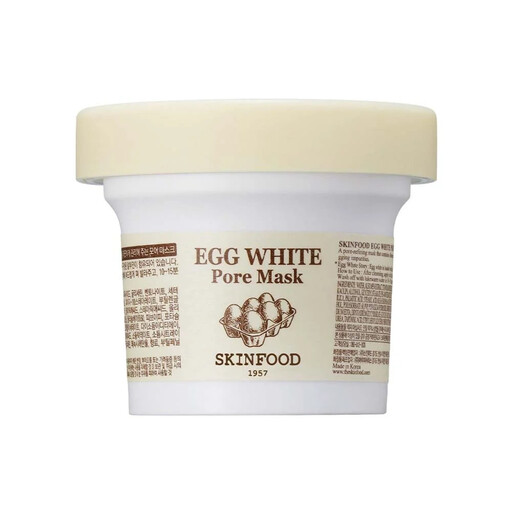
Why This Fits Their Persona: A 120g wash-off format suits shoppers starting a weekly pore-care routine without committing to a powered device or a large multi-step system.
The formula combines kaolin and bentonite with glycerin, panthenol and olive fruit oil, rather than relying on clay alone. It should still be rinsed before it becomes fully dry.
Kaolin and bentonite provide a clearly defined cleansing function; the tub format allows you to apply more product to an oilier T-zone.
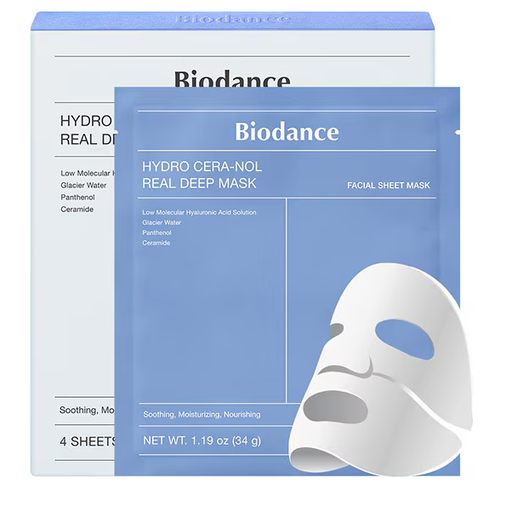
Why This Fits Their Persona: The four-mask pack is suited to shoppers who prefer a structured Korean face mask ritual focused on hydration and a close-fitting hydrogel texture.
The ingredient list identifies panthenol, several forms of hyaluronic acid and a multi-ceramide blend, giving shoppers more information than a single headline claim.
Hydrogel construction is designed to sit closely on the face; the pack contains four individually usable treatments.
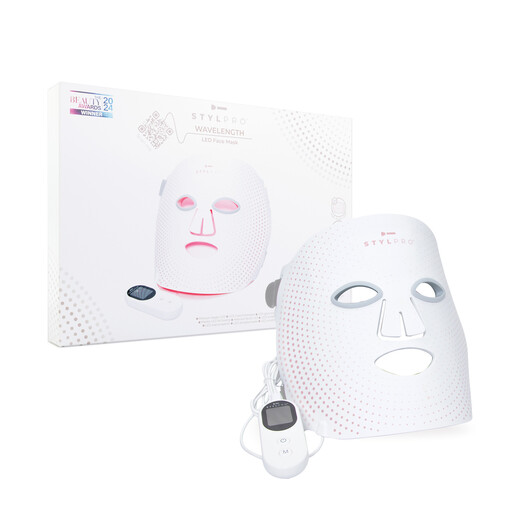
Why This Fits Their Persona: This option is aimed at shoppers who want a repeatable, hands-free treatment at home and are prepared to manage charging and scheduled sessions.
The listing specifies 360 LEDs, four modes, USB rechargeable power and sessions of approximately 10–15 minutes, making the practical commitment clearer.
Hands-free wearable design; red, blue and near-infrared light settings are provided for different cosmetic skincare routines.
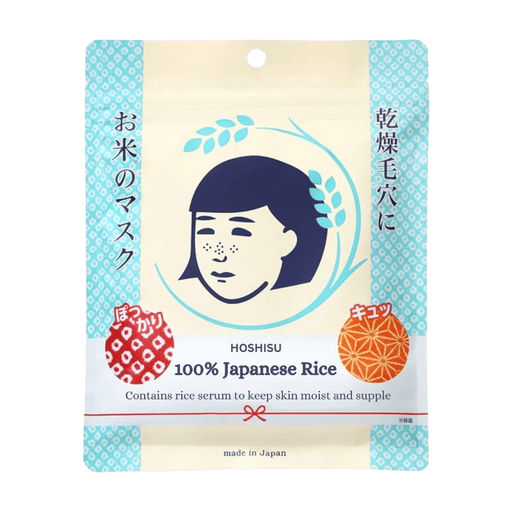
Why This Fits Their Persona: Ten individually packaged Japanese sheet masks suit shoppers who want a simple, repeatable hydration step without mixing or rinsing.
The listing states that it is free from added colourants, fragrance and mineral oil. However, the ingredient list includes ethanol, so sensitive users should still patch test.
Ten single-use sheets; rice fermentation broth, rice bran oil and glucosylceramide are listed for a moisturising-focused routine.
We have compiled a complete, real-time list of products that fully satisfy these strict selection criteria and UK safety regulations.
It depends on the format and formula. A gentle hydrating face mask may fit into a weekly routine, while clay or exfoliating masks are commonly used less frequently. Start with the product instructions and adjust according to how your skin feels.
Some may be, but the format alone does not determine suitability. Check the complete ingredient list for fragrance, alcohol, acids and known personal triggers. A patch test is advisable, and masks should not be applied to broken or irritated skin.
Most rechargeable LED face masks have modest electricity use because sessions are short, often around 10–15 minutes. The more relevant considerations are charging frequency, replacement parts if applicable and whether the device’s required routine is practical for you. Follow the manufacturer’s safety and usage instructions.