
24/7 Customer Support

Free returns

Same-day & Next-day Delivery

Quality Guaranteed

Unlock Your Welcome Offers: FREE Delivery | Up to 80% OFF | Free 30-day JoyPlus trial
Download the APP
Face masks can be a convenient way to add hydration, pore care or gentle exfoliation to a regular skincare routine. However, attractive packaging and phrases such as “deep treatment” do not always tell you whether a product suits your skin, schedule or budget.
The most useful approach is to compare the format, ingredient focus, treatment time and usage frequency before buying. This guide explains the key details to check, then matches several Korean face masks and Japanese face masks to different shopping needs.
A sheet face mask may look appealing, but it is not automatically the right choice for every concern. Hydrating formulas often use humectants such as glycerine, betaine or hyaluronic acid, while a clay face mask is more commonly selected for excess oil and visible congestion.
If your skin is dry, a pore-cleansing face mask with a high clay content may leave it feeling tight. If your T-zone is oily but your cheeks are dry, applying a clay product all over the face may also be unnecessarily drying.
A mask that tingles, dries hard or contains several exfoliating ingredients is not necessarily more suitable. Longer wear times can increase discomfort, particularly for sensitive or compromised skin. Always follow the product directions rather than leaving a formula on until it becomes completely dry.
Likewise, cosmetic terms such as “brightening” or “anti-ageing” usually refer to the appearance and feel of the skin. They should not be treated as medical claims or guarantees of permanent change.
A 30-piece daily mask pack may offer more convenient repeat use than a four-sheet treatment, but only if you will use it consistently and store it correctly. Conversely, a single-use mask may be more practical when you want a one-off hydrating treatment before an event.
Check the seal, storage instructions, batch details and full ingredient list on the packaging. In the UK, do not use a product on broken, inflamed or sunburnt skin, and stop if persistent redness, swelling, itching or stinging occurs.
Do not sleep in a conventional sheet face mask unless the packaging specifically says it is designed for overnight wear. As a mask dries, it may become uncomfortable rather than adding further moisture.
For a hydrating face mask, look for ingredients such as glycerine, betaine, sodium hyaluronate or hydrolysed hyaluronic acid. Collagen face masks can provide a moisturised, temporarily plumper-feeling surface, but cosmetic collagen should not be treated as a guarantee of structural skin change.
For oily or combination skin, kaolin, bentonite, charcoal or other clays can help absorb surface oil. Red bean powder and rice powders may provide gentle physical exfoliation, so use them carefully if your skin is easily irritated.
For dull-looking or uneven skin, formulas containing niacinamide, vitamin C derivatives or fruit extracts may fit a brightening face mask routine. Use daytime sunscreen alongside products intended to improve the appearance of uneven tone.
A daily face mask should have a lightweight formula and clear directions for regular use. More intensive clay, exfoliating or wash-off products are often better suited to once- or twice-weekly use, depending on the label and your skin’s response.
Before applying a new product across your face, consider a small patch test on the inner arm or behind the ear. Also check for fragrance, essential oils and known allergens if your skin is sensitive.
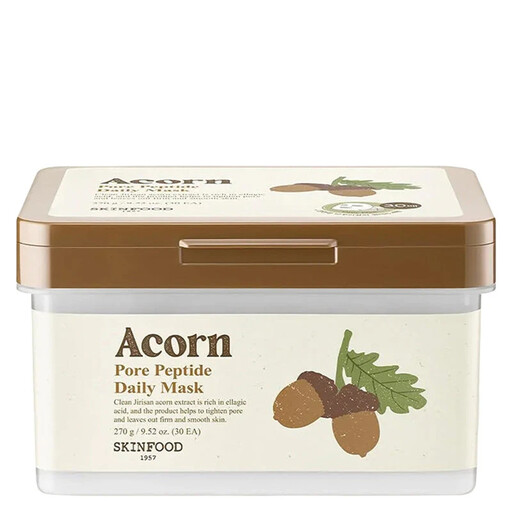
Why This Fits Their Persona: The 30-piece pack is designed for shoppers who want a repeatable Korean skincare step without buying individual sachets each time.
Its lightweight sheet format and stated 10–20 minute application time make the routine easier to plan than a mask that requires prolonged wear.
Contains niacinamide, glycerine, betaine and acorn extract; the pack contains 30 masks for regular use.
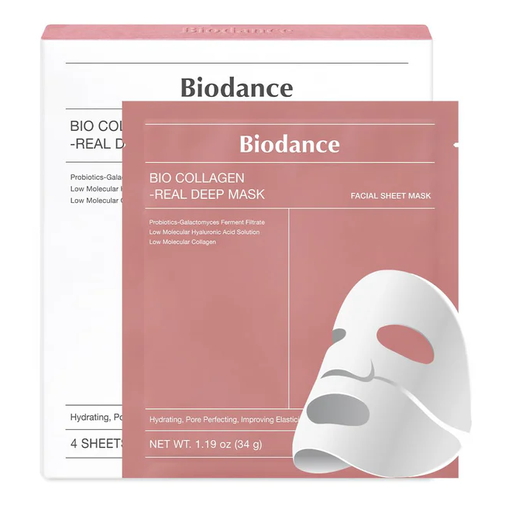
Why This Fits Their Persona: Suitable for shoppers seeking a longer, intensive treatment for dry, dehydrated or mature-feeling skin rather than a quick daily mask.
The instructions specify either overnight use or a 3–4 hour daytime application, so the expected treatment time is clear before purchase.
A hydrogel format includes collagen extract, hydrolysed hyaluronic acid and three probiotic ferments; supplied as four sheets.
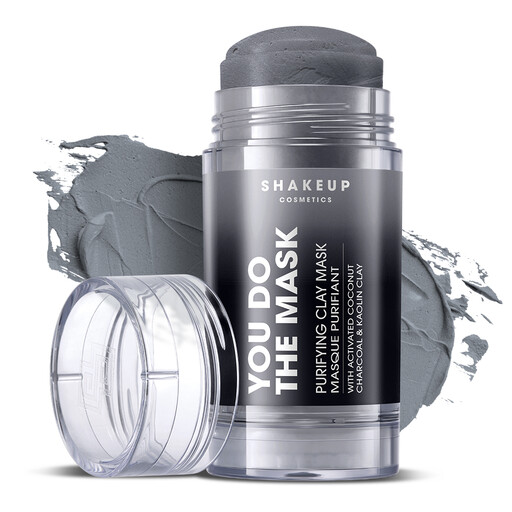
Why This Fits Their Persona: A twist-up stick is practical for quick T-zone applications, gym bags, travel and shoppers who prefer not to scoop product with their fingers.
The 10-minute wash-off direction avoids leaving a clay mask on until it becomes uncomfortably tight.
Combines kaolin and activated coconut charcoal with glycerine and coconut extract in a portable 35g stick.
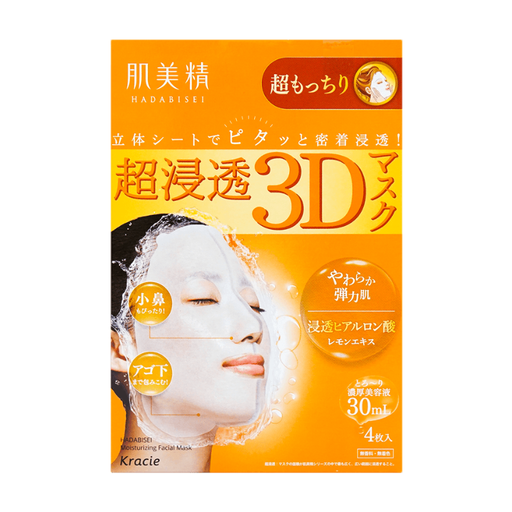
Why This Fits Their Persona: This Japanese face mask suits shoppers who prioritise facial coverage and a focused moisture treatment in individual sachets.
The 3D sheet design is intended to follow facial contours, while the directions give a 10–20 minute wearing window.
Contains sodium hyaluronate, glycerine and lemon extract; supplied in a four-piece box for measured use.
We have compiled a complete, real-time list of products that fully satisfy these strict selection criteria and UK safety regulations.
It depends on the formula. A daily face mask may be suitable for regular use when its directions and your skin tolerance allow it. Clay, exfoliating and pore-cleansing masks are generally more appropriate once or twice a week. Reduce frequency if your skin feels tight, dry or irritated.
Some may be, but suitability depends on the complete ingredient list and your individual tolerance. Look for a simple formula, follow the stated wear time and patch test first. Avoid applying any face mask to broken, inflamed or sunburnt skin.
Usually not. A sheet or hydrating face mask can add a temporary moisture boost, while a wash-off mask is typically followed by toner, serum or moisturiser. A separate moisturiser helps maintain a comfortable finish after the treatment.