
24/7 Customer Support

Free returns

Same-day & Next-day Delivery

Quality Guaranteed

Unlock Your Welcome Offers: FREE Delivery | Up to 80% OFF | Free 30-day JoyPlus trial
Download the APP
Face masks can be a convenient way to add hydration, comfort or targeted ingredients to a skincare routine. However, a high price, attractive packaging or phrases such as “deep absorption” do not automatically make a product suitable for your skin.
For UK shoppers, the main challenge is matching the formula, format and usage instructions to real-life needs. A mask used for five minutes before work has a different purpose from an overnight treatment, while a product containing fragrance or essential oils may not suit reactive skin.
Many sheet face masks leave skin feeling softer and looking more luminous immediately because they add water and emollients to the skin’s surface. This can be useful before an event, but it should not be treated as proof that a mask has permanently changed skin tone, pores or wrinkles.
Look for realistic, user-perceivable benefits such as temporary hydration, a smoother feel or a refreshed appearance. Be cautious with claims suggesting that a single application can create lasting anti-ageing or brightening results.
A familiar ingredient can be useful, but the full ingredient list matters. Niacinamide face masks, hyaluronic acid face masks and collagen face masks may suit different routines, yet fragrance, essential oils, preservatives and botanical extracts can also affect comfort.
For example, a soothing face mask may contain lavender, citrus or other aromatic oils. These are not automatically unsuitable, but people with known sensitivities should check the label and consider a patch test first.
Leaving a mask on for longer does not necessarily improve the result. Some sheet masks are designed for 10–20 minutes, while selected overnight face masks have a formula intended to remain on the skin. Wearing a standard sheet mask until it dries may feel tight and uncomfortable.
Always follow the packaging directions. Do not reuse single-use sheets, and do not apply a mask to broken, sunburnt or irritated skin.
Match the formula to your main concern rather than buying several products with overlapping claims.
Compare the number of applications rather than the front-of-pack size alone. A 30-piece daily mask pack may cost more initially but provide a different value proposition from a single premium sheet. Also check whether the product requires refrigeration, must be used immediately after opening or has special storage instructions.
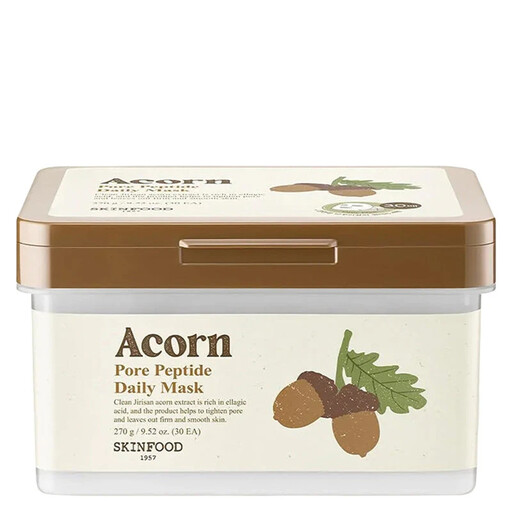
Why This Fits Their Persona: The 30-piece pack is suited to shoppers who want a regular Korean face mask routine without buying individual sachets each time.
The pack states a 10–20-minute wear time and identifies a lightweight sheet format, making the routine easier to plan than an unspecified treatment.
Contains niacinamide, betaine and peptide ingredients; intended for oily and combination skin concerns including excess oil and uneven texture.
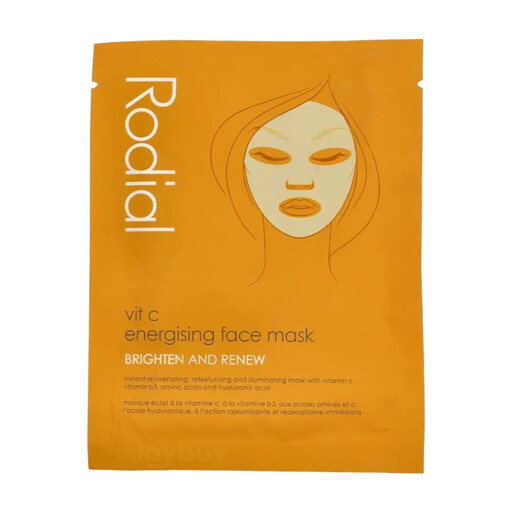
Why This Fits Their Persona: The thin bio-cellulose format suits shoppers who prioritise a close facial fit and a short brightening treatment before an occasion.
Its directions specify 10–15 minutes, with an optional longer application of up to 30 minutes, rather than encouraging indefinite wear.
Includes niacinamide, a vitamin C derivative, sodium hyaluronate and green tea extract in a bio-cellulose sheet.
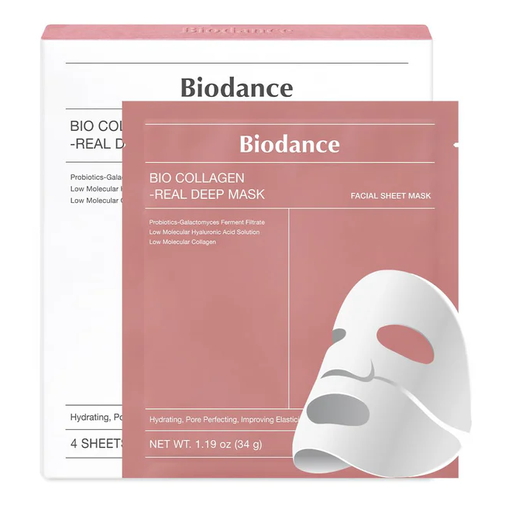
Why This Fits Their Persona: This option is designed for shoppers who prefer a longer treatment for dry, dehydrated or mature-looking skin rather than a quick weekday application.
The product gives separate daytime and overnight directions: 3–4 hours during the day, or removal the next morning when used overnight.
Contains collagen extract, hydrolysed hyaluronic acid, niacinamide and ceramide-supporting ingredients; supplied as four hydrogel sheets.
We have compiled a complete, real-time list of products that fully satisfy these strict selection criteria and UK safety regulations.
It depends on the formula. Some daily face masks are designed for frequent use, while richer hydrating face masks may be recommended two or three times per week. Follow the product instructions and reduce frequency if your skin feels tight, dry or uncomfortable.
They can be, but the sheet format alone does not determine suitability. Check the ingredient list for fragrance, essential oils, alcohol and other personal triggers. A simple formula with a short wear time may be easier to assess than a heavily fragranced product containing many extracts.
Usually not. A mask may add humectants, oils or conditioning ingredients, but it is generally a targeted step rather than a complete skincare routine. After removing a sheet mask, moisturiser can help maintain comfort and reduce moisture loss, according to your skin’s needs.