
24/7 Customer Support

Free returns

Same-day & Next-day Delivery

Quality Guaranteed

Unlock Your Welcome Offers: FREE Delivery | Up to 80% OFF | Free 30-day JoyPlus trial
Download the APP
Choosing face masks for skin can seem straightforward, but product pages often use broad promises such as “deep absorption”, “instant lifting” or “daily glow” without explaining what the mask is designed to do. The wrong format may leave dry skin feeling tight, while an unsuitable fragrance or exfoliating ingredient can be uncomfortable for sensitive complexions.
This guide breaks down the practical details UK shoppers should check before buying, followed by Our Top Recommendations for 2026 matched to different skincare routines.
A hydrating face mask can make skin feel softer and look more plump immediately after use because its serum contains water-binding ingredients such as glycerine or hyaluronic acid. This effect is usually temporary and does not replace a regular moisturiser, sunscreen or consistent skincare routine.
Be cautious with claims about permanently removing wrinkles, repairing skin or changing pigmentation. A collagen face mask may leave skin feeling smoother and more conditioned, but a cosmetic mask should not be treated as a medical or anti-ageing treatment.
Sheet masks can contain fragrance, alcohol, essential oils, preservatives or fruit acids. These ingredients are not automatically unsuitable, but they may not be comfortable for everyone. Always read the current packaging and ingredient list, particularly when shopping for a sensitive skin face mask.
A product described as gentle is not a guarantee that it will suit your skin. Patch testing on a small area, such as the inner arm, can help you identify potential irritation before applying a new mask to your whole face.
More time does not necessarily mean more benefit. As a sheet mask dries, it can feel tight and may be less comfortable. Some overnight hydrogel masks are specifically designed for longer wear, while conventional sheet face masks are generally intended for approximately 5–20 minutes.
Follow the instructions for the specific product. Do not sleep in a mask unless the packaging clearly states that it is suitable for overnight use.
Match the format to your routine:
Check the recommended wear time rather than relying on the phrase “intensive”. A five-minute product may suit busy mornings, while a longer hydrogel treatment may fit an evening routine.
For dryness or dehydration, look for glycerine, hyaluronic acid, panthenol, betaine and ceramides. A hyaluronic acid face mask is designed to provide a moisture-binding feel, but follow it with a moisturiser to help reduce water loss from the skin’s surface.
For dull-looking or uneven skin, products containing niacinamide, vitamin C derivatives or rice extracts may be appealing. A vitamin C face mask can provide a brightening skincare step, but use sunscreen during the day and avoid combining several potentially irritating products at once.
For rough texture, a rice face mask or a wash-off formula may include physical particles, clay or fruit-derived acids. Use these less frequently if your skin is dry or reactive.
A mask that slips or leaves large uncovered areas may be inconvenient regardless of its ingredient list. Look for a shaped or 3D sheet if you want closer coverage around the nose, cheeks and chin.
Compare the number of masks per pack, serum volume and storage instructions rather than only the headline price. Individually wrapped masks are convenient for travel and hygiene. Tub-packed masks can reduce packaging but need careful handling: use clean, dry hands or the supplied tool and close the lid firmly.
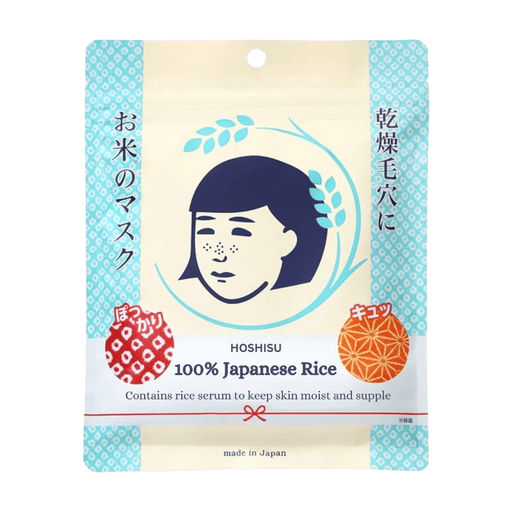
Why This Fits Their Persona: A 10-sheet pack suits shoppers who want to build a regular weekly routine without committing to a single premium treatment.
The pack size makes cost-per-use easier to compare, while the stated 5–10-minute application time avoids unnecessarily long wear.
Made in Japan; includes fermented rice extract, rice bran oil and glucosylceramide; listed as fragrance-free and colourant-free.
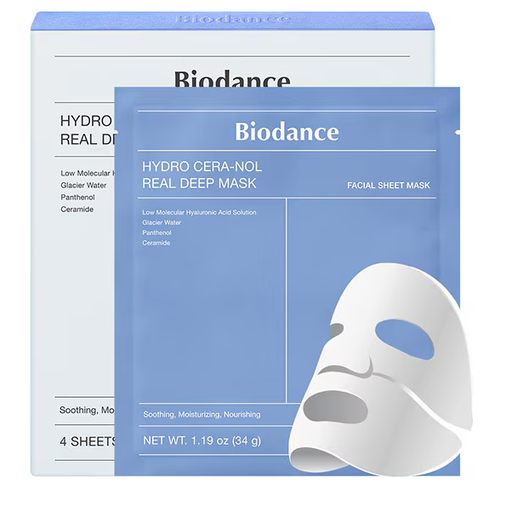
Why This Fits Their Persona: Suitable for an evening routine when you prefer a hydrogel mask with a close fit and a barrier-focused ingredient list.
The product gives a defined four-mask quantity and identifies ceramides, panthenol and several forms of hyaluronic acid rather than relying only on a general hydration claim.
Hydrogel texture; five-layer ceramide complex listed; instructions say to remove when the mask turns transparent.
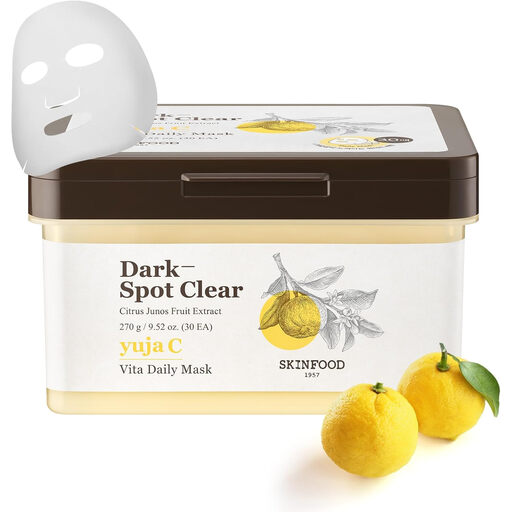
Why This Fits Their Persona: Designed for shoppers who want a short, repeatable step for dull-looking skin during busy weekday mornings.
Its stated five-to-ten-minute wear time is practical, and the tub format includes a tool for removing individual sheets with less direct handling.
Contains yuja extract, niacinamide and sodium ascorbyl phosphate; plant-derived cellulose sheets are specified.
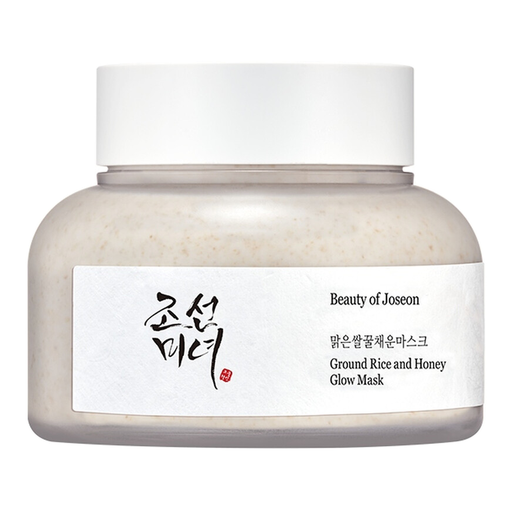
Why This Fits Their Persona: A practical choice for people who prefer applying a mask precisely and rinsing it away rather than wearing a sheet.
The instructions specify a 5–10-minute application and advise rinsing before the formula dries completely, helping reduce the tight feeling associated with dried clay masks.
150ml wash-off format; includes rice hull powder, honey, rice extracts, kaolin and bentonite.
We have compiled a complete, real-time list of products that fully satisfy these strict selection criteria and UK safety regulations.
It depends on the formula. A straightforward moisturising face mask may be used once or twice weekly, while a product labelled for daily use can follow its packaging directions. Exfoliating, clay-based or fruit-acid masks generally need less frequent use.
Origin does not determine suitability. Korean face masks and Japanese face masks can contain a wide range of ingredients and formats. Check for fragrance, alcohol, acids and preservatives, and patch test before full application.
Usually not. A mask provides a concentrated, short-term skincare step, whereas moisturiser helps maintain comfortable hydration after cleansing. For facial masks for dry skin, applying a suitable moisturiser after the treatment can help maintain the soft, conditioned feel.