
24/7 Customer Support

Free returns

Same-day & Next-day Delivery

Quality Guaranteed

Unlock Your Welcome Offers: FREE Delivery | Up to 80% OFF | Free 30-day JoyPlus trial
Download the APP
Choosing a face moisturiser can seem straightforward until you compare SPF, anti-ageing ingredients, hydration claims and textures. A cream that feels comfortable in a heated London flat may feel too rich during a humid commute, while a lightweight gel may not be enough for dry skin during a cold Scottish winter.
The key is to match the formula to your skin type, daily routine and the product’s measurable features—not simply its packaging or advertising language.
An SPF moisturiser can be convenient for ordinary daytime use, but the protection level varies. SPF15, SPF20 and SPF25 products do not provide the same labelled protection as a dedicated high-SPF sunscreen. Amount applied also affects coverage.
For prolonged outdoor exposure, particularly during holidays, gardening or sport, use a separate broad-spectrum sunscreen and follow the product’s reapplication instructions. A day cream with SPF is better viewed as one part of a daytime routine rather than a universal replacement.
A luxury face cream may contain rich emollients, fragrance or a dense texture that does not suit oily or blemish-prone skin. Conversely, a gel moisturiser may absorb quickly but leave dry or mature skin wanting more comfort.
Price indicates positioning, packaging and formulation choices; it does not automatically indicate suitability. Check whether the product is described as oil-free, non-comedogenic, lightweight or rich, and compare this with your skin’s behaviour.
Searches for a niacinamide moisturiser, hyaluronic acid moisturiser or vitamin C moisturiser can focus attention on one named ingredient. However, the wider formula matters too. Look at the ingredient list, texture, fragrance and directions for use.
If your skin is sensitive, introduce one new product at a time and patch test where appropriate. Stop using it if redness, itching, swelling or persistent discomfort develops.
A hydrating face cream commonly uses humectants such as glycerin and sodium hyaluronate to help the skin feel softer and more moisturised. Niacinamide is often included in formulas aimed at uneven-looking tone and barrier care. Vitamin C derivatives feature in some brightening face cream products, while Q10, peptides and pro-retinol are commonly found in anti-ageing moisturiser ranges.
These ingredients do not guarantee a particular cosmetic result for every user. Concentration, formulation stability and consistent use all influence the experience.
A day cream should sit comfortably beneath make-up if that is part of your routine. Check whether it includes SPF and whether the protection level suits your typical exposure. A night cream can be richer and does not need built-in sunscreen.
Also consider the size. A 50ml jar is common for facial skincare, while a 100ml product may offer more applications for regular users. Always check the current packaging, ingredient list and shelf-life information before use.
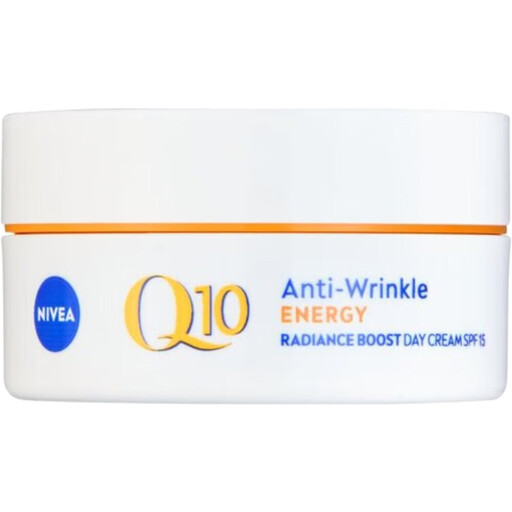
Why This Fits Their Persona: A practical morning option for shoppers wanting hydration, a radiance-focused formula and modest daily SPF in one 50ml day cream.
Its SPF15 is clearly stated, making it easier to recognise that additional sunscreen may be needed for extended outdoor exposure.
Contains Q10, vitamin C derivative, guarana extract and SPF15 for a straightforward daily routine.
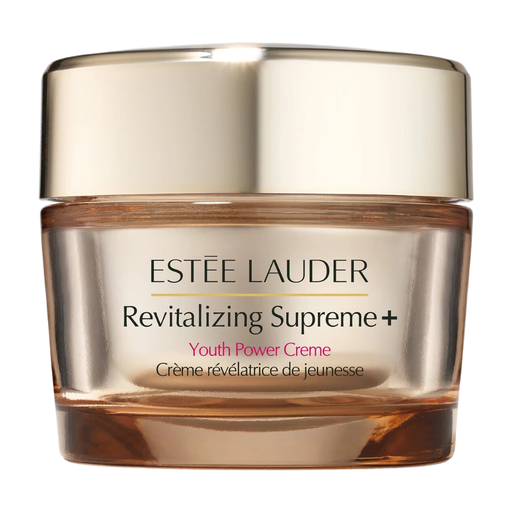
Why This Fits Their Persona: Suits shoppers who prefer a richer, refined cream for face and neck, particularly in evening routines or colder UK weather.
The product is positioned as a rich moisturiser rather than an oil-control formula, helping buyers match expectations to its texture.
Includes sodium hyaluronate, squalane, caffeine and botanical extracts; the formula is described as quick-absorbing despite its nourishing texture.
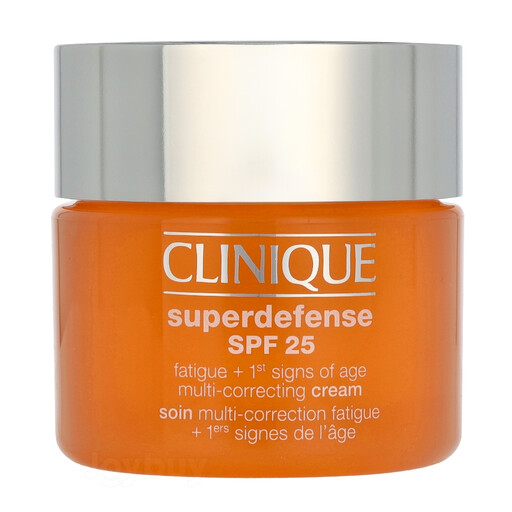
Why This Fits Their Persona: Designed for combination-oily to oily skin, making it relevant to shoppers who want daily moisture without a visibly greasy finish.
The oil-free description, lightweight texture and stated humidity resistance address concerns about shine during warmer or damp weather.
Provides SPF25 and includes glycerin, sodium hyaluronate, vitamin C derivative, vitamin E and silica.
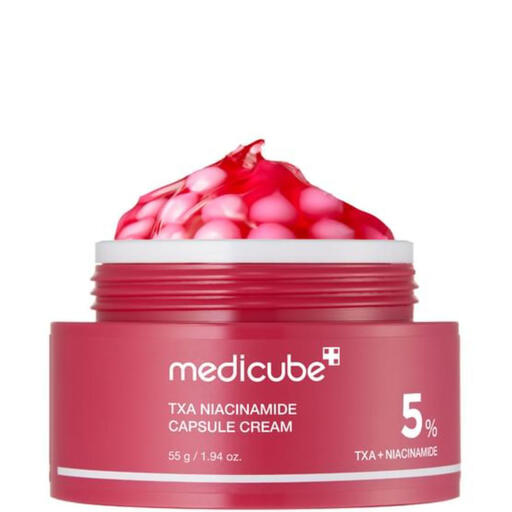
Why This Fits Their Persona: A flexible choice for shoppers who want to adjust the feel of their moisturiser according to seasonal dryness or preferred finish.
Its capsule-and-gel format makes the texture adjustment explicit, rather than leaving users to guess whether a cream will feel light or rich.
Contains 5% niacinamide, ceramide NP, panthenol and several forms of hyaluronic acid; it is supplied in a 55g size.
Apply moisturiser after cleansing and any lighter serums. In the morning, use a product with SPF as directed, then add dedicated sunscreen when spending significant time outdoors. At night, choose a texture that feels comfortable without rubbing heavily into the skin.
For combination skin, apply a thinner layer to the forehead, nose and chin and a little more to drier areas. Use clean hands, avoid the immediate eye area unless the product specifically allows it, and keep the lid securely closed to protect the formula.
We have compiled a complete, real-time list of products that fully satisfy these strict selection criteria and UK safety regulations.
It may be suitable for short, routine exposure when applied generously, but SPF level and application amount matter. For prolonged outdoor exposure, use a separate broad-spectrum sunscreen and reapply as directed.
The lifespan depends on how much you apply, whether you use it once or twice daily and whether it is also used on the neck. Check the packaging for the period-after-opening symbol and discard the product if its smell, colour or texture changes.
Yes, but a gel moisturiser may not provide enough comfort on its own for very dry skin. Apply it over hydrating products or choose a cream containing richer emollients if your skin still feels tight.