
24/7 Customer Support

Free returns

Same-day & Next-day Delivery

Quality Guaranteed

Unlock Your Welcome Offers: FREE Delivery | Up to 80% OFF | Free 30-day JoyPlus trial
Download the APP
Navigating the world of skincare can feel overwhelming. With endless shelves and web pages dedicated to the humble face moisturiser, it is easy to feel lost in a sea of claims and ingredients. As a Joybuy Product Recommendation Officer, my role is to help you cut through the clutter and make informed choices. Many of us have purchased a promising cream only to find it leaves our skin feeling greasy, tight or no different than before. This guide will help you avoid common purchasing pitfalls and identify what your skin truly needs.
Before you add another jar to your basket, be aware of these frequent missteps that lead to disappointment and wasted money:
To find a moisturiser that works for you, focus on these practical considerations rather than marketing buzz.
Your skin "type" is a starting point, but its current "condition" is what matters most. Ask yourself what you are trying to solve:
The feel of a product determines how consistently you will use it.
Based on these practical criteria, here are a few moisturisers suited to specific needs and lifestyles.
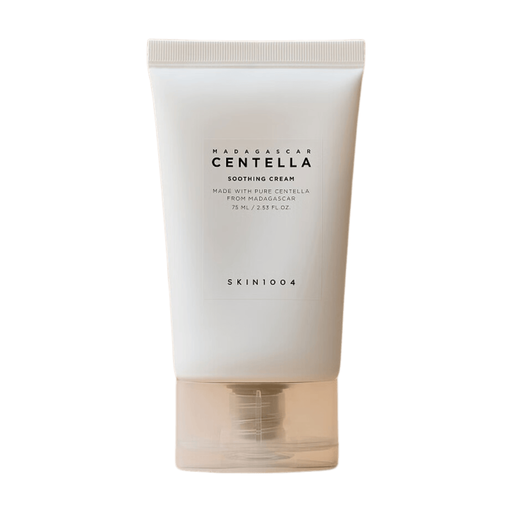
Why This Fits Their Persona: This popular Korean moisturiser is ideal for those whose skin easily becomes red or irritated due to weather changes or environmental stressors. Its gentle formula focuses on calming and restoring balance.
It avoids the "hero ingredient" trap by using a high concentration of Centella Asiatica extract, supported by ceramides, to deliver genuine soothing and barrier-strengthening benefits rather than just marketing claims.
It has a soft, gel-cream texture that calms visible redness and strengthens the skin barrier without a heavy or greasy feel, making it a great moisturiser for sensitive skin.
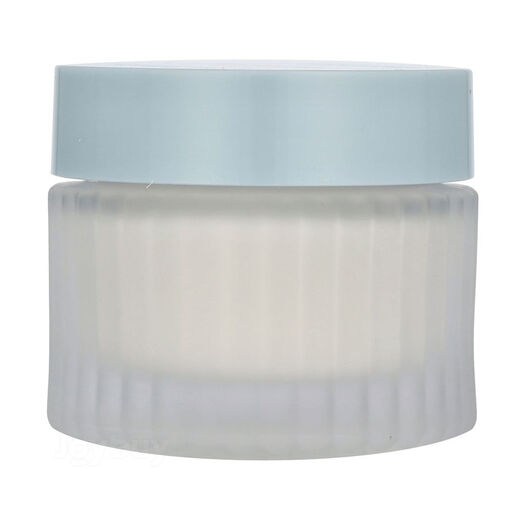
Why This Fits Their Persona: Perfect for those with persistently dry, tight or flaky skin that needs more than just basic hydration. It is designed to actively replenish and fortify the skin's protective layer.
This ceramide cream moves beyond the "universal formula" by providing a targeted solution for barrier damage with a blend of five ceramides, cholesterol and hyaluronic acid—a combination specifically for dry and compromised skin.
It features a rich, buttery texture that melts into the skin to provide lasting comfort and is a powerful skin barrier repair cream that nourishes without a greasy finish.
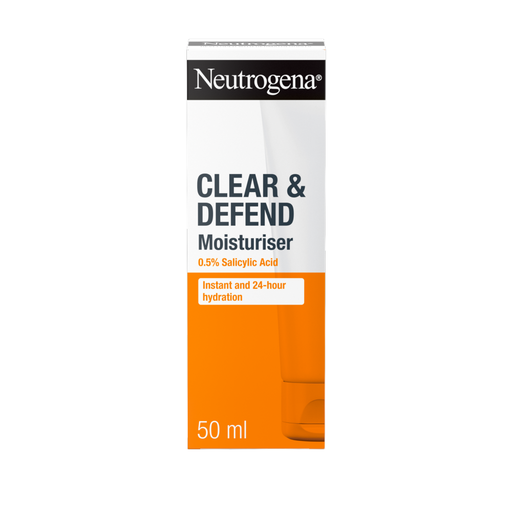
Why This Fits Their Persona: For anyone who fears that moisturiser will clog their pores or cause breakouts. This formula is designed to provide necessary hydration while helping to manage blemishes.
It directly counters the "texture mismatch" trap for oily skin. Its oil-free, lightweight formula provides hydration without the heavy, pore-clogging feel that blemish-prone individuals rightly avoid.
This is a non-comedogenic moisturiser that contains salicylic acid to help prevent spots. The formula, developed with dermatologists, also includes aloe and chamomile to soothe the skin.
We have compiled a complete, real-time list of products that fully satisfy these strict selection criteria and UK safety regulations.
For most people, applying a face moisturiser twice daily is ideal—once in the morning and once at night after cleansing. This ensures your skin remains hydrated and protected around the clock. However, always listen to your skin; you may need to apply it more frequently in dry, cold weather or less often if your skin feels comfortable.
You certainly can, especially if you find a product you love. However, many people prefer using two different formulas. A day cream is often lighter and designed to sit well under makeup, while a night cream is typically richer and focused on repair and deep nourishment. An anti-ageing cream, for example, might be formulated with ingredients best used overnight.
The term non-comedogenic means a product has been formulated to avoid blocking pores, which can lead to comedones (blackheads and whiteheads). While not an absolute guarantee, choosing a non-comedogenic moisturiser is a sensible step for anyone with oily, combination or blemish-prone skin.