
24/7 Customer Support

Free returns

Same-day & Next-day Delivery

Quality Guaranteed

Unlock Your Welcome Offers: FREE Delivery | Up to 80% OFF | Free 30-day JoyPlus trial
Download the APP
Choosing a face moisturiser should be straightforward, but crowded skincare shelves make it easy to pay for claims that do not match your routine. A rich cream may feel comforting yet sit heavily under make-up, while a lightweight gel may leave dry cheeks tight after central heating or cold UK weather.
The most useful approach is to compare the formula, texture and intended use rather than relying on phrases such as “glass skin” or “instant lifting”. This guide explains the main buying traps and highlights suitable options for different skin types and concerns.
A headline percentage, such as niacinamide or fruit extract, does not tell you how the whole product will feel or whether it suits your skin. Check the full ingredient list for supporting ingredients such as glycerin, hyaluronic acid, panthenol, squalane, cholesterol and ceramides.
Terms including “pore shrinking”, “collagen boosting” and “anti-ageing” usually refer to the appearance or feel of skin. They should not be interpreted as medical outcomes. If a brand provides study results, consider them as brand-supplied information rather than a guarantee for every user.
An SPF day moisturiser can be convenient, but the protection depends on applying enough product and reapplying when exposed to sunlight. SPF15 may be insufficient for prolonged outdoor time. For regular outdoor activities, use a suitable broad-spectrum sunscreen and follow the product directions.
Ceramides work alongside skin-identical lipids such as cholesterol and phytosphingosine to help support the moisture barrier. A ceramide cream can be particularly useful when skin feels tight or rough. Panthenol, beta-glucan and allantoin are also commonly used for conditioning and comfort.
A niacinamide moisturiser may suit shoppers concerned with uneven-looking tone, excess oil or visible pores. Brightening products may contain vitamin C derivatives, arbutin or tranexamic acid. If you already use exfoliating acids, retinoids or other concentrated products, introduce one new formula at a time to make irritation easier to identify.
A richer night cream can work well during colder months, while a lighter day formula may sit more comfortably under make-up. Always check the current packaging for the complete ingredients, usage instructions and warnings.
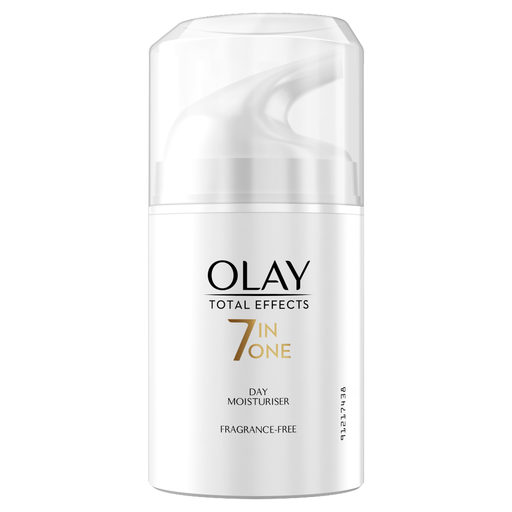
Why This Fits Their Persona: A straightforward morning moisturiser for shoppers who want one fragrance-free product for everyday hydration and basic skin maintenance.
Its fragrance-free positioning makes the choice clearer for people who prefer to avoid added perfume, rather than relying on a vague “gentle” label.
Contains niacinamide, glycerin and panthenol; the oil-free formula is designed for a lightweight, non-greasy finish.
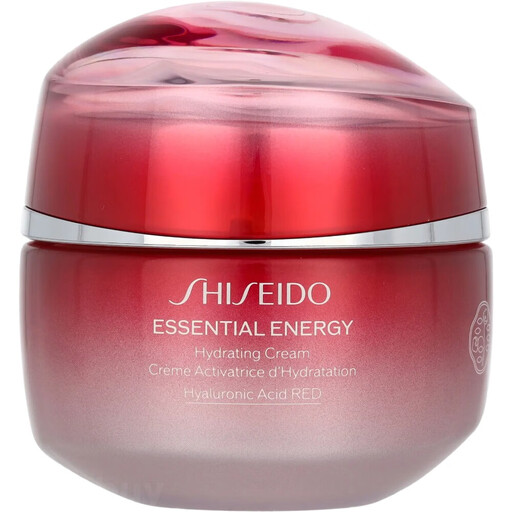
Why This Fits Their Persona: A practical option for those wanting one fast-absorbing cream for morning and evening use, including during dry indoor heating periods.
The refillable jar gives buyers a clearly stated packaging feature to assess alongside the skincare formula.
Includes hyaluronic acid, glycerin and ginseng root extract; designed to absorb quickly and suit all skin types.
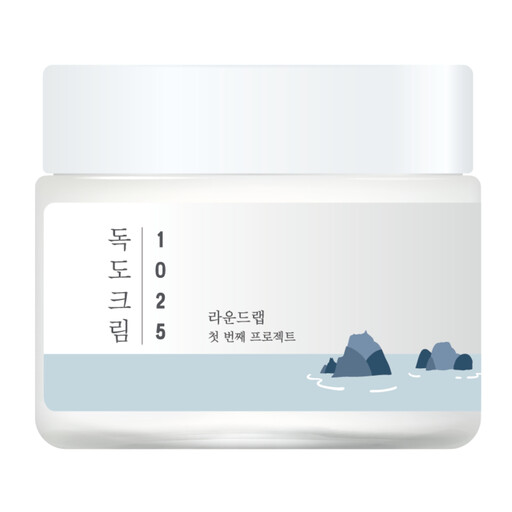
Why This Fits Their Persona: The larger 80ml size suits regular users who apply moisturiser to the face and neck, particularly those managing persistent dryness.
The ingredient list identifies five ceramides and three forms of hyaluronic acid, making the barrier and hydration focus easy to verify.
Contains ceramides, shea butter, panthenol and allantoin; free from artificial fragrance, parabens and alcohol according to the supplied product details.
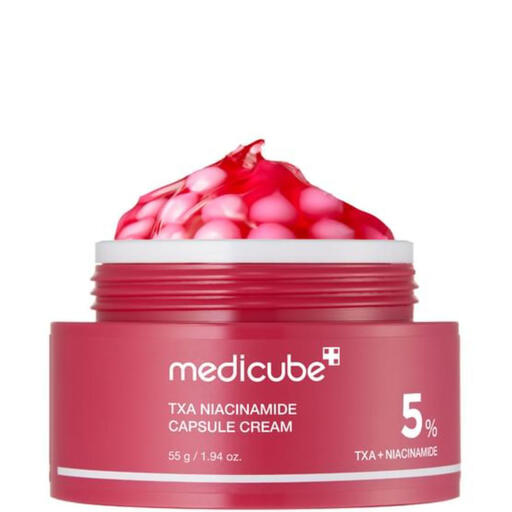
Why This Fits Their Persona: Suitable for shoppers who want to adjust the gel-to-capsule ratio as their skin changes between warmer and colder UK conditions.
Its customisable texture avoids forcing one fixed finish on combination skin, while the listed actives are clearly identified.
Contains niacinamide, tranexamic acid, ceramide NP and multiple forms of hyaluronic acid for tone-focused moisturising care.
We have compiled a complete, real-time list of products that fully satisfy these strict selection criteria and UK safety regulations.
Yes, if the texture suits your skin and it does not contain an ingredient you prefer to reserve for evening use. During the day, apply sunscreen separately when needed. A richer night cream may be more comfortable overnight, while a lighter gel can work better under make-up.
A 50ml jar commonly lasts several weeks to a few months, depending on whether it is used once or twice daily and whether it is applied to the neck. Follow the packaging guidance on opening, storage and shelf life. Keep the lid closed and store the product away from direct heat and sunlight.
Patch testing is sensible, particularly when the formula contains fragrance, essential oils, acids, retinoid-related ingredients or many botanical extracts. Apply a small amount as directed by the manufacturer and stop use if redness, itching, burning or other discomfort develops.