
24/7 Customer Support

Free returns

Same-day & Next-day Delivery

Quality Guaranteed

Unlock Your Welcome Offers: FREE Delivery | Up to 80% OFF | Free 30-day JoyPlus trial
Download the APP
A face moisturiser can be a simple daily essential, but choosing the wrong formula may leave skin feeling greasy, tight, irritated or still dehydrated. UK shoppers also face a crowded market filled with terms such as “lifting”, “glow-boosting” and “pore-perfecting”, which do not always explain what a product can realistically do.
The most useful approach is to compare the formula, finish, active ingredients and sun protection rather than relying on eye-catching claims. Whether you need an anti-ageing moisturiser, a hydrating face cream or a lightweight day cream, the following checks can help you spend more carefully.
Ingredients such as glycerin, hyaluronic acid and sodium hyaluronate help attract or hold water at the skin’s surface. This can make skin feel softer and temporarily look plumper, but a moisturiser is not a medical treatment and cannot guarantee permanent wrinkle removal.
For a wrinkle cream or firming face cream, look at the complete ingredient list. Niacinamide and peptides may support a smoother-looking complexion, while retinoid-related ingredients can require more careful use.
An SPF face moisturiser can be convenient for ordinary daytime wear, but the protection depends on applying enough product and reapplying when exposed to sunlight, swimming, sweating or towel drying. A low or medium SPF may not be sufficient for prolonged outdoor exposure.
Treat SPF as one part of sun protection. Check the label for the stated SPF level and UVA protection, and use a dedicated sunscreen when spending extended time outdoors.
“Rich”, “velvety” and “water cream” describe feel rather than skin compatibility. A rich cream may suit dry or mature skin but feel heavy on an oily complexion. Conversely, a gel cream may be comfortable for combination skin but insufficient for very dry skin during colder months.
The order of ingredients can also provide useful clues. Humectants such as glycerin and hyaluronic acid support hydration, while oils, silicones and emollients help reduce moisture loss and influence the finish.
A niacinamide moisturiser may suit shoppers looking for hydration alongside a more even-looking complexion. A peptide cream is often selected for skin that appears less firm or has visible fine lines. A hyaluronic acid moisturiser focuses primarily on a hydrated, cushioned feel.
For brightening, vitamin C, niacinamide or tranexamic acid may appear in a brightening moisturiser. These ingredients should not be treated as guaranteed solutions for pigmentation, and daily sunscreen remains important.
A day cream may include SPF, a lighter finish or ingredients designed to sit comfortably beneath make-up. A night cream is often richer and may omit UV filters. Products containing retinol-related ingredients or salicylic acid deserve extra attention: follow the instructions, introduce them gradually if appropriate and use daytime sun protection.
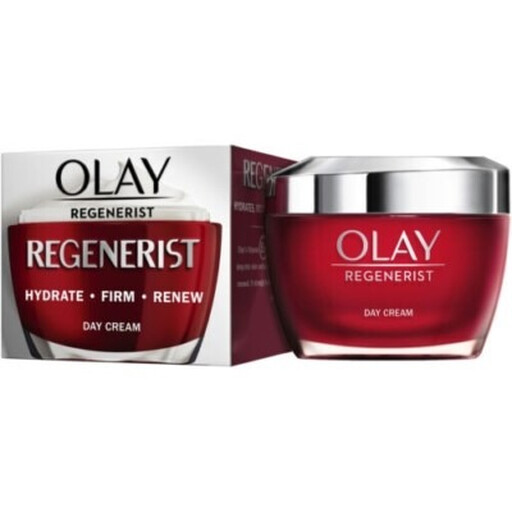
Why This Fits Their Persona: A practical morning moisturiser for shoppers wanting hydration and anti-ageing-focused ingredients in one 50ml jar, suitable for normal, oily and dry skin according to the product information.
The ingredient list clearly includes niacinamide, palmitoyl pentapeptide-4 and sodium hyaluronate, making the formula easier to compare than relying on an anti-ageing label alone.
Light, non-greasy texture; contains niacinamide, peptide and sodium hyaluronate; dye-free.
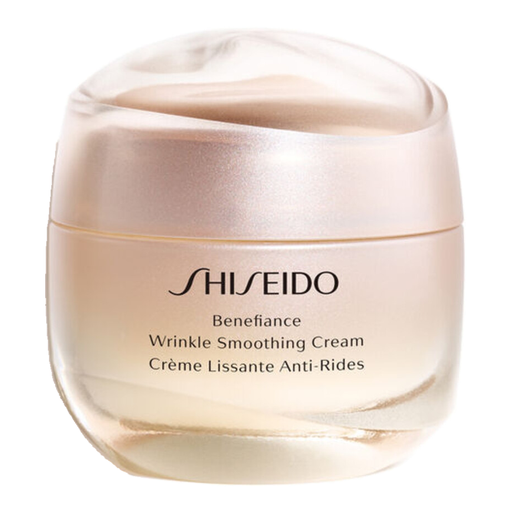
Why This Fits Their Persona: Suits normal, dry and combination skin types, particularly for shoppers who prefer a silky cream for morning and evening use.
Its listed ingredients and intended skin types provide more useful selection information than relying solely on wrinkle-smoothing language.
Includes niacinamide and plant extracts; silky texture; intended for daily use.
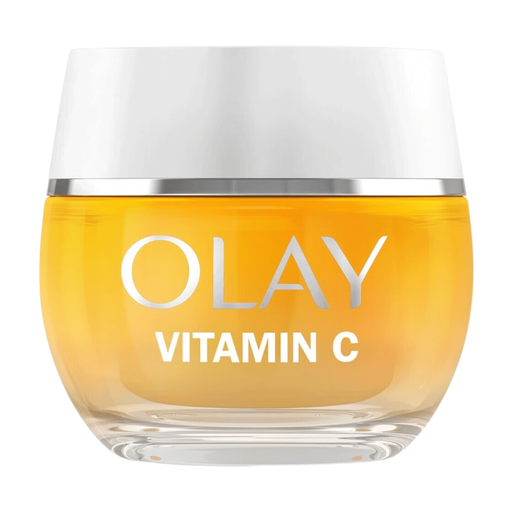
Why This Fits Their Persona: A morning option for shoppers who want brightening-focused skincare and stated SPF 30 protection in one routine step.
The product states SPF 30 and includes UV filters in its ingredient list. Apply generously and reapply as directed rather than treating a small amount as full sun protection.
Vitamin C derivative and niacinamide; SPF 30; lightweight, non-greasy formula.
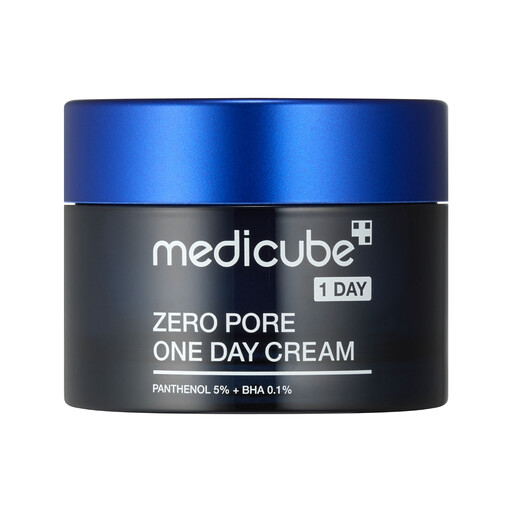
Why This Fits Their Persona: Designed for oily or combination skin concerns, especially when a lighter cream and smoother make-up base are priorities.
It identifies salicylic acid, niacinamide and panthenol in the formula, while the instructions specifically highlight daytime sunscreen use because salicylic acid may increase sun sensitivity.
Lightweight cream; includes panthenol, niacinamide and hyaluronic acid; intended for pore-prone oily or combination skin.
We have compiled a complete, real-time list of products that fully satisfy these strict selection criteria and UK safety regulations.
Yes, most facial moisturisers are designed for daily use, but follow the individual instructions. Apply after cleansing and lighter serums, then use SPF during the day where required. Stop using a product if persistent redness, itching, burning or swelling develops.
A 50ml jar commonly lasts around one to three months, depending on whether it is used once or twice daily, how much is applied and whether the neck is included. Using too little may reduce comfort and the intended moisturising effect, while excessive application can cause pilling beneath make-up.
No. Price does not determine whether a formula suits your skin. Compare the ingredient list, texture, size, fragrance, active ingredients and SPF rating. A straightforward hydrating face cream may be more appropriate than a richer anti-ageing moisturiser if your main concern is daily comfort and barrier support.