
24/7 Customer Support

Free returns

Same-day & Next-day Delivery

Quality Guaranteed

Unlock Your Welcome Offers: FREE Delivery | Up to 80% OFF | Free 30-day JoyPlus trial
Download the APP
Choosing a face moisturiser should be straightforward, yet crowded product pages often make comparison difficult. A cream may promise hydration, radiance, firmness and wrinkle reduction, but the useful details are usually found in the ingredient list, texture and usage instructions.
For shoppers in the UK, three common traps can lead to wasted money:
The right choice depends on your skin type, preferred routine and the ingredients you are comfortable using consistently.
A moisturiser for dry skin usually benefits from humectants, emollients and occlusive ingredients. Humectants such as glycerin and hyaluronic acid attract water, while shea butter, squalane and plant oils help soften the skin and reduce moisture loss.
For combination or oily skin, look for a lighter texture and apply less product to the T-zone. A cream described as non-greasy or fast-absorbing may be easier to wear beneath make-up, although individual results vary.
If your skin is easily reactive, consider a sensitive skin moisturiser with fewer potential irritants. Check whether the formula contains fragrance or listed fragrance allergens such as limonene, linalool or geraniol. “Natural” does not automatically mean non-irritating.
A ceramide moisturiser or skin barrier repair cream may contain ceramides, cholesterol, fatty acids, panthenol or beta-glucan. These ingredients are commonly selected for conditioning and moisture-barrier support.
For visible signs of ageing, an anti-ageing face cream or anti-wrinkle cream may include niacinamide, peptides, Q10, antioxidants or retinoids. Retinol products require additional care: introduce them gradually, avoid applying to irritated skin and use daily SPF because retinoids can increase sensitivity to sunlight.
A vitamin C face cream may suit shoppers focused on dull-looking skin and radiance. However, vitamin C derivatives vary in stability and tolerability, so check the full INCI list and storage instructions rather than relying only on the front label.
The ingredient list should use recognised INCI names and be easy to locate. Also check the product size, expiry or period-after-opening information, batch details and warnings. These are practical indicators that help you compare products responsibly.
A day cream with SPF is designed for daytime use, while a night cream normally focuses on richer hydration or overnight skincare. Some creams can be used morning and evening, but a retinol night cream is generally better kept for the evening unless the packaging says otherwise.
Texture matters too. A 50ml jar of a dense cream may last longer than a similarly sized lightweight lotion if you use only a small amount, but hygiene and storage still matter. Close the lid after use and keep the product away from direct sunlight and heat.
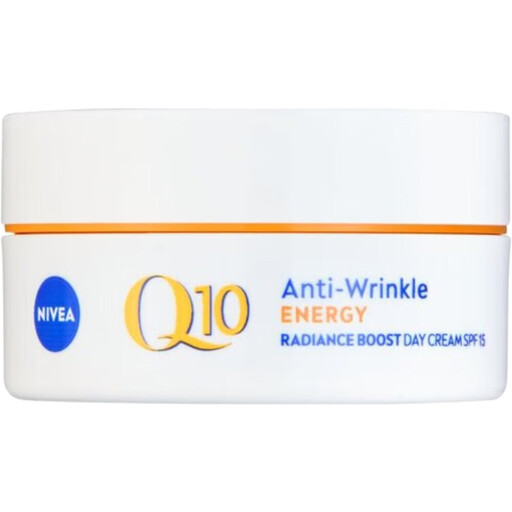
Why This Fits Their Persona: A practical daytime option for shoppers wanting moisturising, radiance-focused care and added SPF in one familiar routine.
Its stated SPF15 is clearly positioned within a day cream, so it is less likely to be mistaken for a dedicated high-protection sunscreen.
Contains glycerin, Q10, vitamin C derivative and SPF15 in a 50ml daytime formula.
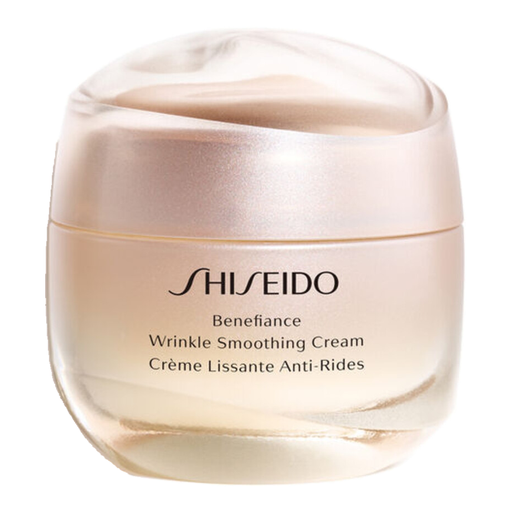
Why This Fits Their Persona: Suits shoppers who prefer a silky daily cream with a defined focus on smoothing and moisturising mature-looking skin.
The product details identify its texture, skin-type suitability and key ingredients, allowing comparison beyond broad anti-ageing language.
Includes niacinamide and a lightweight, rapidly absorbing texture for morning and evening use.
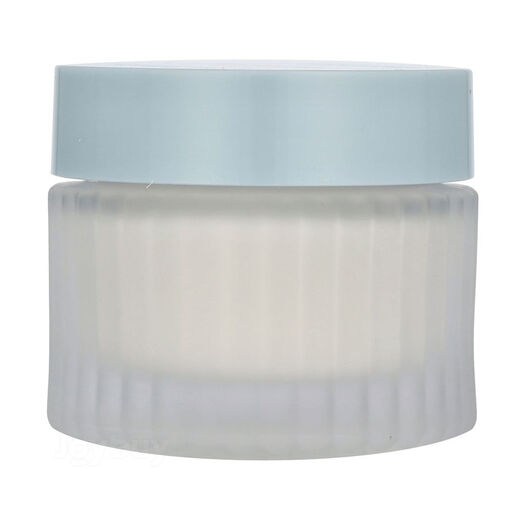
Why This Fits Their Persona: A useful option for combination, dry or stressed complexions dealing with variable UK weather and indoor heating.
The ingredient list lets shoppers verify ceramides, cholesterol and multiple forms of hyaluronic acid rather than relying on a vague barrier claim.
Contains five listed ceramides, cholesterol, squalane, shea butter and hyaluronic acid derivatives.
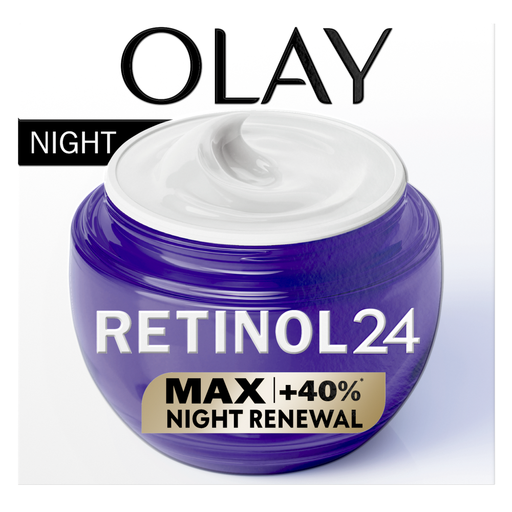
Why This Fits Their Persona: Designed for shoppers building an evening routine around retinoids, hydration and visible texture concerns.
Its retinol use instructions include gradual awareness of sunlight sensitivity and the need for SPF the following morning.
Fragrance-free formula with retinol, retinyl propionate, glycerin, niacinamide and peptides.
We have compiled a complete, real-time list of products that fully satisfy these strict selection criteria and UK safety regulations.
Apply cream after cleansing, and use lighter serums before thicker products. In the morning, finish with sunscreen when required. In the evening, a night cream can be applied as the final step; if using a retinol night cream, begin with occasional use and avoid combining several potentially irritating active products at once.
Patch-test a new formula on a small area, particularly if you have sensitive skin. Stop using it if persistent redness, itching, swelling or discomfort develops. Do not apply facial creams to broken or inflamed skin, and follow the packaging directions.
Start with a small, even layer over the face and neck, then add more to dry areas if needed. Using too much can leave residue, interfere with make-up or feel uncomfortable, especially with rich creams.
Usually, yes, provided the product instructions allow morning and evening use. However, a day cream with SPF may not offer any particular overnight benefit, while a night cream can provide a texture and ingredient profile intended for evening skincare.
This depends on the product, amount used and storage. Check the period-after-opening symbol, expiry information and packaging instructions. Keep the lid closed, avoid introducing water or dirty fingers into the jar, and replace the product if its smell, colour or texture changes.