
24/7 Customer Support

Free returns

Same-day & Next-day Delivery

Quality Guaranteed

Unlock Your Welcome Offers: FREE Delivery | Up to 80% OFF | Free 30-day JoyPlus trial
Download the APP
A face moisturiser should make your routine more comfortable, not leave you with clogged pores, stinging or persistent dryness. Yet choosing one can be difficult when product labels promise brighter skin, smaller-looking pores, firmer texture and long-lasting hydration in a single jar.
The main problem is that attractive claims do not always explain whether a formula suits your skin. A rich cream may feel comforting on dry cheeks but uncomfortable on an oily T-zone. A lightweight gel may absorb quickly but fail to reduce tightness in centrally heated rooms. Before buying, focus on the formula, your skin’s current condition and how you intend to use it.
A product containing collagen, peptides, botanical extracts and several types of hyaluronic acid may sound comprehensive. However, more ingredients can also mean more potential triggers for sensitive users. Check the complete ingredient list for fragrance, essential oils, drying alcohol and known personal allergens, rather than relying only on the front label.
An SPF day moisturiser can be convenient, but the protection level and application amount matter. OLAY Total Effects includes SPF15, which may be useful for routine daytime wear, but it should not automatically replace a dedicated broad-spectrum sunscreen during prolonged outdoor exposure. Reapplication may also be needed according to the sunscreen’s instructions.
A Korean moisturiser may have an appealing gel, cream or “glass skin” finish, but texture is not a skin type. Rich formulas with shea butter and plant oils may be more comfortable for dry or compromised skin, while a lighter, fast-absorbing cream can be easier to wear on oily or combination skin. Consider the season too: winter heating and cold winds can increase the need for a barrier repair cream.
Look for a combination of:
A hydrating face cream does not need to contain every category in high amounts. For oily or blemish-prone skin, a lighter lotion or gel-cream may feel more practical. For very dry skin, a richer formula used as the final evening step may provide greater comfort.
For dullness or uneven-looking tone, a niacinamide moisturiser or formula containing alpha-arbutin may appeal. For visible fine lines, products marketed as an anti-ageing face cream, wrinkle cream or collagen cream commonly include peptides, adenosine, collagen-related ingredients or humectants. These ingredients should be viewed as part of a cosmetic routine rather than a medical treatment.
For visible pores and excess shine, look for a pore-minimising moisturiser containing niacinamide. Salicylic acid may also appear in blemish-prone skin cream formulas, but it can be unsuitable for irritated or broken skin. Introduce it gradually and use daytime sun protection.
A sensitive skin moisturiser should be selected with particular care. Fragrance-free options can reduce exposure to perfume ingredients, although “fragrance-free” does not guarantee compatibility for every person. Ceramide NP, panthenol, glycerin, squalane and centella asiatica are common ingredients in products designed for barrier support.
Always follow the packaging directions, patch test when appropriate and stop using a product if persistent redness, swelling, itching or burning develops. Do not apply facial creams to broken or severely irritated skin unless advised by a suitable healthcare professional.
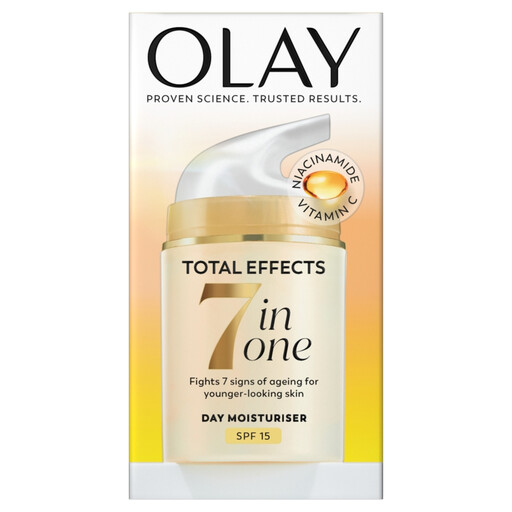
Why This Fits Their Persona: A practical daytime option for shoppers who want one moisturiser with niacinamide and SPF15 for everyday indoor-to-outdoor routines.
Its SPF level is clearly stated, making it easier to recognise that additional sunscreen may be needed for extended exposure.
Oil-free formula; contains niacinamide and SPF15 in a 50ml daytime moisturiser.
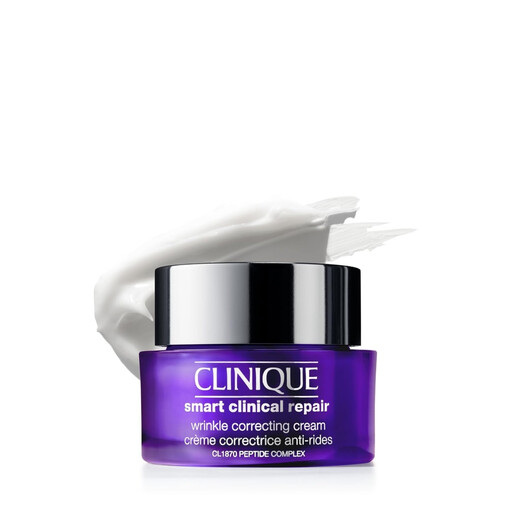
Why This Fits Their Persona: Suits shoppers prioritising a fragrance-free, oil-free cream for morning and evening use across a mature or dry-feeling routine.
The listed formula avoids fragrance, oil, preservatives and phthalates, helping shoppers screen for several commonly avoided components.
Contains peptides, sodium hyaluronate and soybean seed extract; suitable for face and neck application.
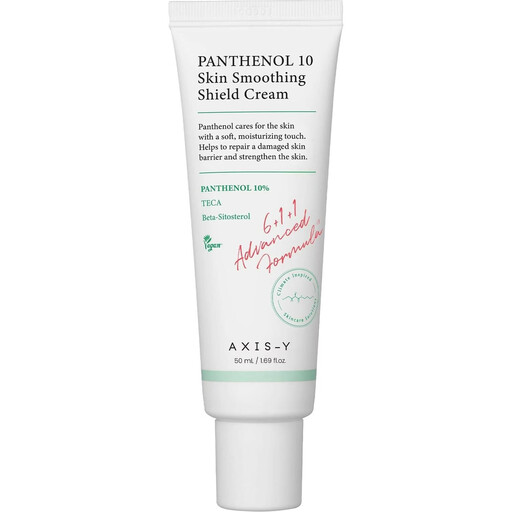
Why This Fits Their Persona: Designed for shoppers whose skin feels dry, tight or compromised after seasonal changes, over-cleansing or environmental exposure.
The formula specifies 10% panthenol and includes ceramide NP, squalane and centella-related ingredients rather than relying only on a vague “repair” label.
Contains panthenol, ceramide NP and squalane; can be used as a final routine step or a thicker overnight layer.
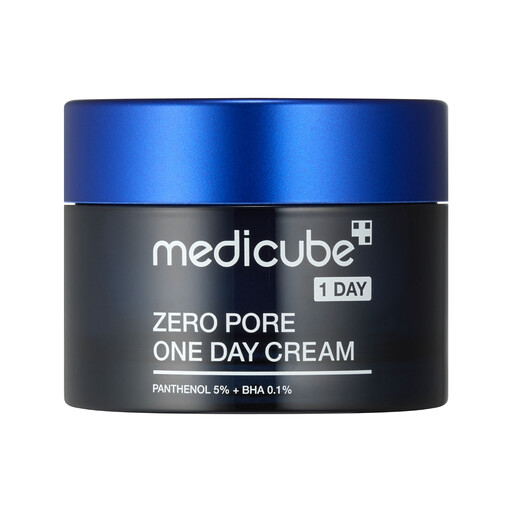
Why This Fits Their Persona: A daytime choice for oily or combination-skin shoppers focused on visible pores, shine and uneven texture.
Its salicylic acid content is disclosed, along with guidance to use sunscreen and avoid broken or irritated skin.
Contains niacinamide, panthenol and salicylic acid; lightweight texture intended for morning use.
For brightening-focused routines, Axis-Y Dark Spot Correcting Glow Cream contains 2% alpha-arbutin, 5% niacinamide and ceramide NP in a gel-to-water texture. For richer barrier support, Skin 1004 Madagascar Centella Probio-Cica Enrich Cream combines centella-related ingredients, ceramide NP and plant oils. Beauty Of Joseon Dynasty Cream offers rice bran water, ginseng water, niacinamide and squalane in a denser texture.
Those seeking a richer barrier repair cream may also compare SKINFOOD Royal Honey Propolis Enrich Barrier Cream. It contains propolis, honey, royal jelly, shea butter and ceramide NP, although its essential oils may not suit fragrance-sensitive users. Medicube Triple Collagen Cream includes niacinamide, sodium hyaluronate, ceramide NP, peptides and collagen-related ingredients.
We have compiled a complete, real-time list of products that fully satisfy these strict selection criteria and UK safety regulations.
Most facial moisturisers are designed for daily use after cleansing and any lighter serums. Apply a suitable amount to the face and neck, following the product instructions. If using an exfoliating ingredient such as salicylic acid, introduce it carefully and wear suitable daytime sun protection.
Storage and usage determine the lifespan. Keep the container closed, away from heat, humidity and direct sunlight, and check the packaging for the period-after-opening symbol or expiry information. Discard the product if its smell, colour or texture changes, even if the printed date has not passed.
Price alone does not establish suitability. Compare the size, ingredient list, texture, fragrance policy and whether the product replaces another step, such as a daytime moisturiser with SPF. Buying a formula that matches your skin type is usually more useful than paying for a longer list of marketing claims.