
24/7 Customer Support

Free returns

Same-day & Next-day Delivery

Quality Guaranteed

Unlock Your Welcome Offers: FREE Delivery | Up to 80% OFF | Free 30-day JoyPlus trial
Download the APP
Finding the right face moisturiser can feel like navigating a minefield of marketing claims and confusing ingredient lists. With so many options on the shelves, it's easy to end up with a product that either doesn't work for your skin, or worse, causes new problems like breakouts or irritation. As the Joybuy Product Recommendation Officer, my role is to help you see past the hype and make an informed choice.
Many of us have been caught out by common shopping pitfalls. Let's look at two of the most frequent traps that lead to wasted money and disappointing results:
To choose wisely, it helps to understand a few core principles. Instead of focusing on marketing buzzwords, let's break down the non-negotiable factors that determine a moisturiser's quality and suitability for your skin.
A moisturiser is not a one-size-fits-all product. Identifying your primary skin concern is the first step to finding a formula that will work with your skin, not against it.
Think of your skin barrier as a protective wall. When it's damaged, moisture escapes easily, and irritants get in, leading to dryness, redness and sensitivity. Supporting this barrier is fundamental to healthy skin.
Based on these practical criteria, we've matched a few standout products to common UK user profiles. These recommendations focus on formulation, function and suitability for specific needs.
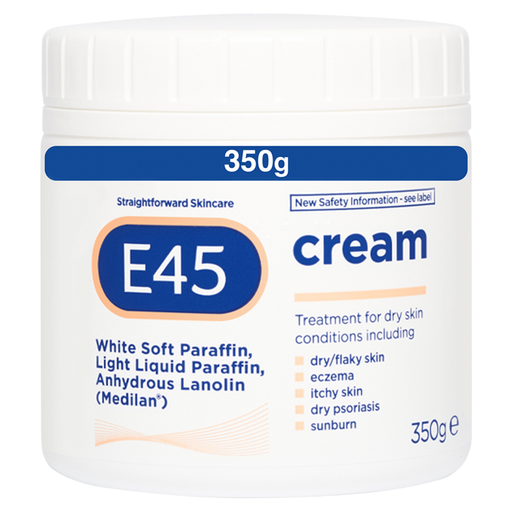
Why This Fits Their Persona: This is a go-to for UK families dealing with persistently dry, itchy or eczema-prone skin. It's a no-fuss, dependable emollient that provides relief without unnecessary additives, making it suitable for adults and even babies over one month.
It sidesteps the "miracle ingredient" trap by focusing on a simple, effective emollient base (paraffin and lanolin) that is recognised for its ability to treat dry skin conditions. Its value is in its function, not its marketing story.
Its non-greasy, fragrance-free formula is designed to relieve and soothe very dry conditions. It has been dermatologically tested.
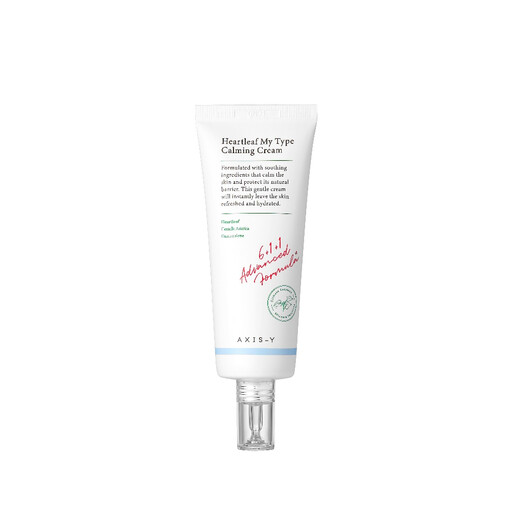
Why This Fits Their Persona: For those who find most moisturisers too heavy, this Korean moisturiser offers a solution. It's perfect for someone in the UK dealing with hormonal breakouts or redness, who needs hydration that won't cause congestion or a greasy T-zone.
This product directly challenges the "texture vs. efficacy" trap. Its lightweight, water-based gel-cream texture delivers effective hydration and soothing benefits without the occlusive feel of a traditional heavy cream.
The formula, featuring heartleaf and centella asiatica extracts, is designed to balance oil production while calming irritation. It absorbs quickly without leaving a sticky residue.
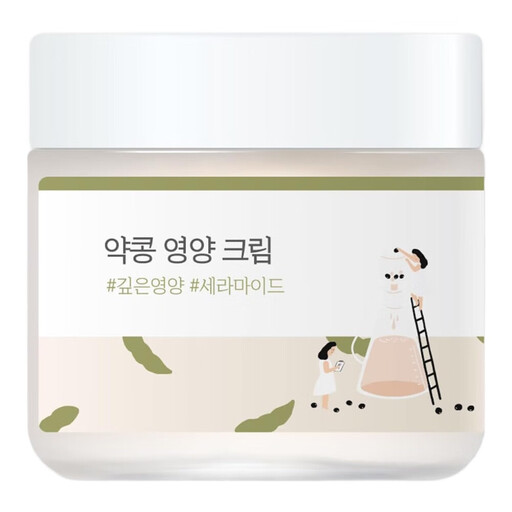
Why This Fits Their Persona: This is for the user who researches ingredients and wants a moisturiser that does more than just hydrate. It's aimed at improving skin texture, elasticity and barrier health, making it an excellent choice for those with maturing or stressed skin.
This cream's strength lies in its comprehensive formula. It doesn't rely on a single "miracle" but combines nourishing black soybean extract with proven barrier-support ingredients (Ceramide NP) and an anti-wrinkle component (Adenosine).
It offers a rich, nourishing texture that absorbs without stickiness. The formula is designed to reinforce the skin barrier, improve elasticity and address the appearance of fine lines.
We have compiled a complete, real-time list of products that fully satisfy these strict selection criteria and UK safety regulations.
With consistent twice-daily application (morning and evening), a 50ml pot of face cream will generally last between two and three months. A pea-sized amount is usually sufficient to cover the face and neck adequately.
Yes, you certainly can, particularly if it's a versatile formula that suits your skin around the clock. However, many people find it beneficial to use a lighter moisturiser or a hydrating gel cream during the day, as it can feel more comfortable under makeup and SPF. A richer ceramide cream or anti-ageing face cream can then be used at night to support the skin's natural repair processes while you sleep.
Absolutely. Oily skin is a skin type (related to sebum production), while dehydration is a condition (a lack of water). It's very common for oily skin to be dehydrated. In fact, skipping moisturiser can sometimes trigger the skin to produce even more oil to compensate for the lack of hydration. The solution is to choose the right product: a lightweight, oil-free or non-comedogenic daily moisturiser for oily skin will provide essential hydration without clogging pores or adding shine.