
24/7 Customer Support

Free returns

Same-day & Next-day Delivery

Quality Guaranteed

Unlock Your Welcome Offers: FREE Delivery | Up to 80% OFF | Free 30-day JoyPlus trial
Download the APP
A face moisturiser can make skin feel comfortable, smooth and hydrated, but choosing the wrong formula may leave you with greasiness, tightness or irritation. UK shoppers also face a crowded market filled with claims such as “deep hydration”, “barrier repair” and “natural ingredients”, which do not always explain whether a product suits their skin or routine.
This guide breaks down the practical details to check before buying a face moisturiser, followed by product recommendations matched to different needs.
A thick cream may feel nourishing, but texture alone does not determine how well it suits your skin. A rich formula can feel uncomfortable on combination or blemish-prone skin, while a lightweight gel may not provide enough comfort for very dry skin during cold, windy UK weather.
Look for the balance between humectants, which attract water, and emollients or occlusives, which help soften skin and reduce moisture loss. Glycerin, hyaluronic acid, panthenol and beta-glucan are common hydrating ingredients. Shea butter, squalane, petrolatum and mineral oil are examples of richer conditioning or moisture-sealing ingredients.
Plant extracts and essential oils can still be unsuitable for people with fragrance sensitivities. Always check the full INCI ingredient list rather than relying on front-of-pack wording. For example, some botanical moisturisers include fragrant oils, while a product marketed for soothing care may still contain fragrance allergens such as limonene or linalool.
If your skin is redness-prone or reactive, a fragrance-free moisturiser with a shorter ingredient list may be easier to assess. Patch testing is sensible, particularly when trying a new barrier repair cream.
Terms such as “anti-ageing”, “clinically tested” or “48-hour hydration” describe a product’s positioning or testing context, but they do not guarantee the same result for every user. According to individual brands’ own testing or research, certain formulas may demonstrate specific measured effects under particular conditions. These claims should be considered alongside the ingredients, application instructions and your skin’s tolerance.
Ceramides, cholesterol, fatty acids, panthenol, beta-glucan and colloidal oat are useful ingredients to look for when skin feels rough, flaky or uncomfortable after cleansing. A barrier repair cream should also be comfortable enough for consistent use; a product that feels too greasy or stings is unlikely to become a reliable part of your routine.
A 30–50ml facial cream is convenient for a daily routine, while larger products may be intended for face and body use. Check whether the formula is designed as a day cream, night cream, multi-purpose cream or intensive moisturiser. If you use makeup, a fast-absorbing formula may sit more smoothly beneath foundation. For overnight use, a richer texture can be preferable if your skin tolerates it.
UK cosmetic packaging should provide practical information such as the ingredient list, nominal quantity, usage precautions and batch or product identification details. Review the packaging supplied with the product, especially if you have known allergies.
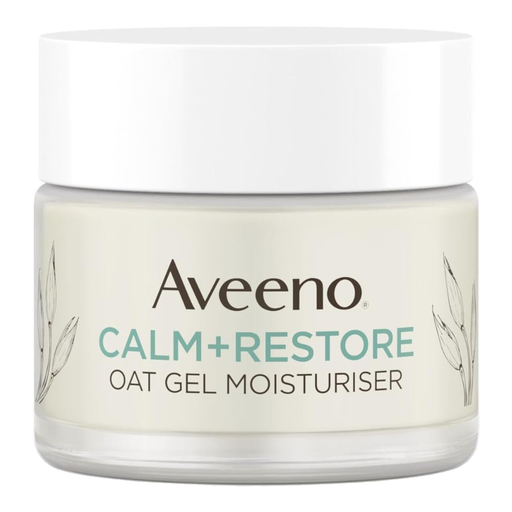
Why This Fits Their Persona: A straightforward daily option for normal to dry sensitive skin, particularly if you prefer a lightweight formula for commuting, central heating and changing UK weather.
Its gel cream texture avoids the assumption that sensitive skin always needs a dense, heavy cream. It is also listed as fragrance-free and non-comedogenic.
Contains oat ingredients and glycerin; fast-absorbing texture is suitable for morning and evening use.
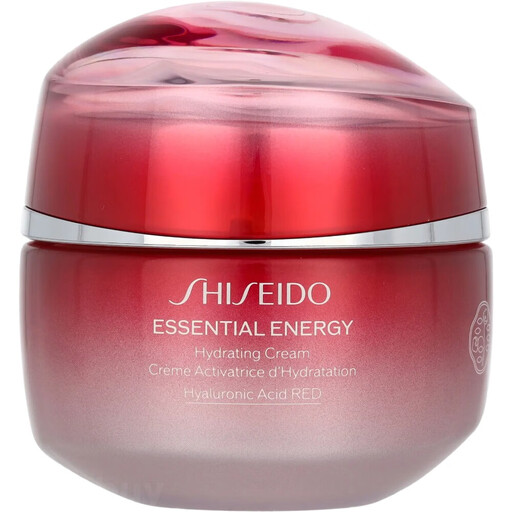
Why This Fits Their Persona: Suits shoppers who value a refined daily skincare ritual, a quick-absorbing finish and a refillable jar format.
The refillable design gives a practical sustainability feature to assess, rather than relying only on vague luxury positioning.
Includes glycerin, sodium hyaluronate and ginseng root extract; designed for morning and evening application.
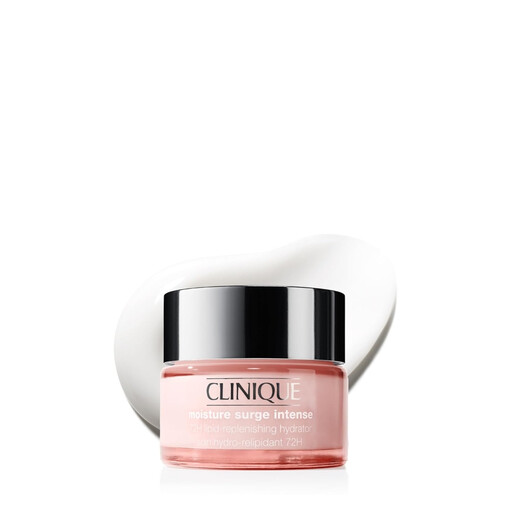
Why This Fits Their Persona: A suitable direction for people dealing with pronounced dryness, seasonal tightness or a compromised-feeling moisture barrier.
It is positioned as a richer cream-gel rather than a simple watery gel, with ceramides and centella asiatica listed in the formula.
Contains three listed ceramides, glycerin, panthenol and sodium hyaluronate; fragrance-free according to the supplied product information.
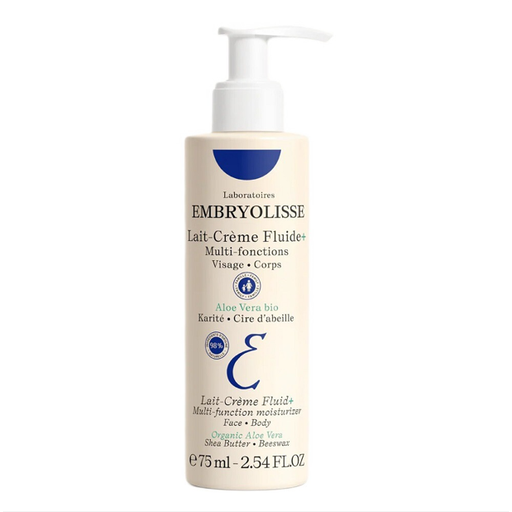
Why This Fits Their Persona: Useful for shoppers wanting one fluid cream for face and body, with additional cleansing, makeup-removing and after-care uses listed by the brand.
Its purpose is clearly broader than a dedicated facial moisturiser, helping avoid paying for several separate products if a simple routine is the priority.
Contains glycerin, shea butter, beeswax and aloe vera; the 75ml bottle is designed for face and body use.
We have compiled a complete, real-time list of products that fully satisfy these strict selection criteria and UK safety regulations.
Apply moisturiser after cleansing while skin is slightly damp, unless the product instructions state otherwise. Start with a small amount and spread it across the face and neck without vigorous rubbing. In the morning, apply a separate broad-spectrum sunscreen where appropriate; a standard face moisturiser should not automatically be treated as sun protection.
For a night cream or intensive moisturiser, use a slightly larger amount on areas that feel dry. Avoid applying products to broken or inflamed skin, and stop use if persistent redness, itching, swelling or stinging develops.
Begin with approximately a pea-sized amount for the face, adjusting according to the formula and your skin’s needs. A thin, even layer is usually sufficient for a lightweight product, while very dry areas may need a second application.
Not necessarily. A daily face moisturiser can be used at night if it provides enough comfort. Choose a dedicated night cream when you prefer a richer texture or want a product specifically designed for overnight nourishment.
The usable period depends on the product’s packaging, preservative system and storage conditions. Check the open-jar symbol and packaging instructions, keep the container closed, and store it away from heat and direct sunlight. Discard the product if its smell, colour or texture changes noticeably.