
24/7 Customer Support

Free returns

Same-day & Next-day Delivery

Quality Guaranteed

Unlock Your Welcome Offers: FREE Delivery | Up to 80% OFF | Free 30-day JoyPlus trial
Download the APP
Choosing a face moisturiser should be straightforward, yet crowded skincare shelves make it easy to spend money on a formula that feels uncomfortable, pills under make-up or does not suit your skin type. UK shoppers also need to consider seasonal weather, indoor heating, sun protection and how a moisturiser fits with serums or exfoliating products.
The following guide focuses on practical details rather than ambitious marketing promises, with product recommendations matched to different routines and skin concerns.
Words such as “intensive”, “glowing” or “deeply nourishing” do not tell you how a cream will feel. A rich formula may be useful for dry skin during colder months but uncomfortable on oily or combination skin. Conversely, a lightweight gel may feel pleasant but not provide enough comfort for a weakened skin barrier.
Look for the formula’s texture and ingredients together. A lightweight gel moisturiser often suits oily or combination skin, while a cream containing oils, shea butter or squalane may be more appropriate for dry skin.
A product labelled as an anti-ageing face cream, brightening moisturiser or pore-minimising cream can support several cosmetic goals, but it cannot replace every skincare step. A day cream containing SPF still needs to be applied in a suitable amount, and SPF15 or SPF20 is not a substitute for a dedicated broad-spectrum sunscreen during prolonged outdoor exposure.
Likewise, niacinamide, vitamin C derivatives and exfoliating ingredients may be useful additions, but using several active products at once can increase the chance of discomfort.
An appealing headline ingredient does not reveal the entire formula. Fragrance, essential oils, alcohol or exfoliating acids may be unsuitable for some people with reactive skin. Always check the current packaging, as formulations can change, and patch test before applying a new product across your face.
A niacinamide moisturiser may be considered for dullness, uneven-looking tone or visible pores. Alpha-arbutin and vitamin C derivatives are commonly found in brightening moisturisers, while collagen cream formulas are generally selected for a smoother, plumper-looking finish rather than as a replacement for professional treatment.
For a weakened-feeling barrier, check for ceramide NP, fatty acids, squalane and moisturising agents. For oily, pore-prone skin, salicylic acid can be relevant, but it may increase sensitivity to sunlight and requires careful use with daytime sunscreen.
Use moisturiser after cleansing and any watery serums. In the morning, apply a dedicated sunscreen when spending time outdoors, even if your day moisturiser includes SPF. In the evening, a richer cream can help reduce the tight feeling associated with dry indoor air.
A pea-sized amount is a useful starting point, although the appropriate quantity depends on the product and your skin’s needs. Apply gently rather than rubbing aggressively, and allow each layer to settle before make-up.
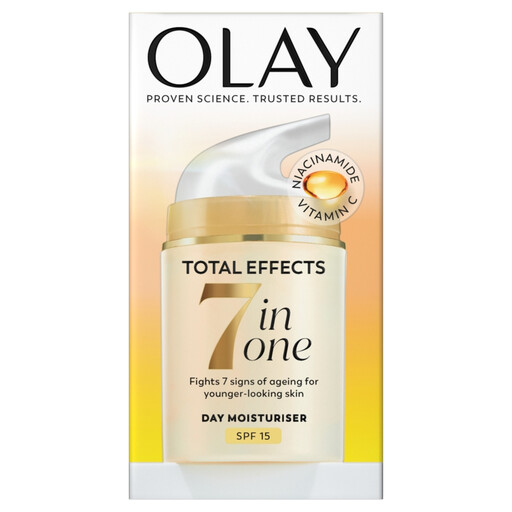
Why This Fits Their Persona: A practical daytime option for someone building a simple routine and wanting hydration, niacinamide and light daily UV protection in one product.
Its oil-free formula is described as fast-absorbing, while the ingredient list clearly identifies niacinamide and SPF15 rather than relying only on broad benefit language.
Multi-benefit daytime format; contains niacinamide, glycerin and SPF15.
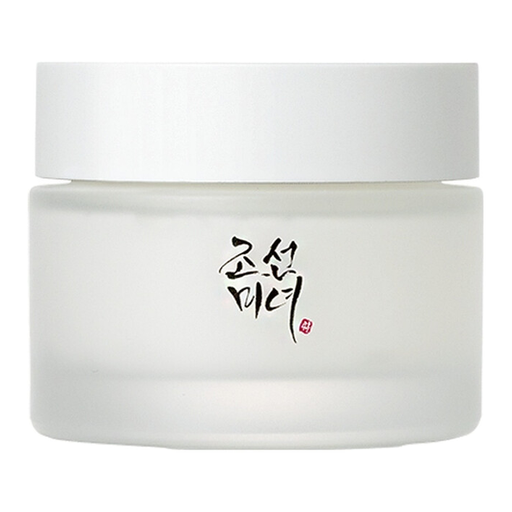
Why This Fits Their Persona: Suitable for K-beauty shoppers who prefer a richer, dewy finish that can also be used as an evening cream or occasional sleeping mask.
The product details identify its dense, honey-like texture, helping shoppers avoid mistaking a rich cream for a lightweight gel.
Contains rice bran water, ginseng root water, niacinamide, squalane and ceramide NP; suitable for use as a moisturiser or sleeping mask.
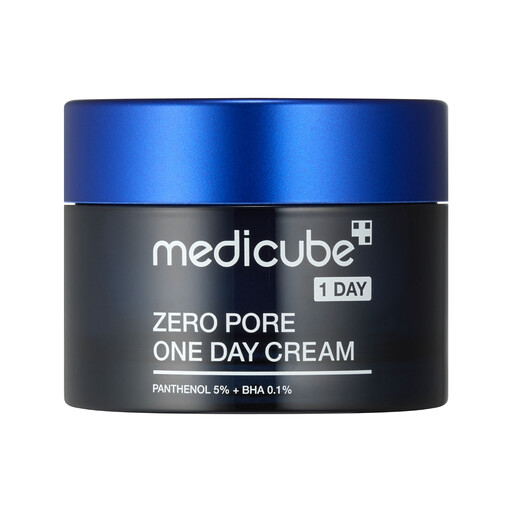
Why This Fits Their Persona: Designed for shoppers focused on oily or combination skin, visible pores and uneven texture, particularly those wanting a fresh, less-heavy finish.
The formula lists salicylic acid, niacinamide and panthenol, making the active ingredients clear. It also carries a warning to use sunscreen because salicylic acid may increase sun sensitivity.
Lightweight cream format; includes panthenol, niacinamide, salicylic acid and multiple moisturising agents.
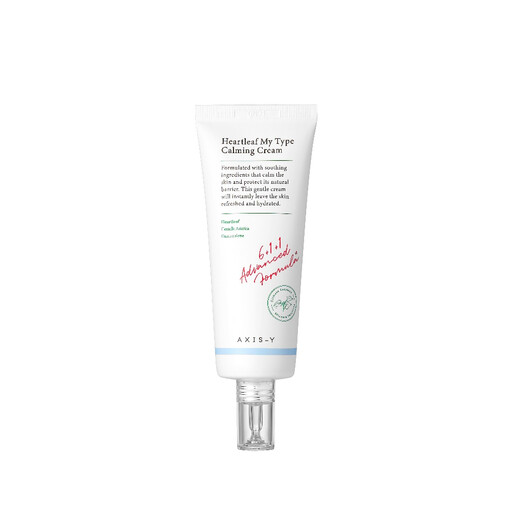
Why This Fits Their Persona: A water-based gel-cream for people who dislike sticky residue and want a lighter moisturiser for sensitive or acne-prone skin.
Its stated texture and ingredient list provide more useful detail than a generic “calming” claim, while patch testing remains advisable for reactive skin.
Contains heartleaf, centella asiatica, glycerin, sodium hyaluronate and allantoin; vegan-certified and cruelty-free according to the product information.
We have compiled a complete, real-time list of products that fully satisfy these strict selection criteria and UK safety regulations.
Most routines can include moisturiser morning and evening, particularly after cleansing. The amount and texture should reflect your skin type, the weather and any treatments used. If your skin feels tight, flaky or uncomfortable, a more nourishing formula may be appropriate. If it feels greasy, try using less product or switching to a gel-cream.
A day moisturiser with SPF can provide some protection when applied generously, but SPF15 or SPF20 products are not intended to replace dedicated sunscreen for prolonged exposure. For outdoor activities, use a broad-spectrum sunscreen according to its label and reapply as directed.
Check the packaging for the period-after-opening symbol and storage instructions. Keep the container closed, away from heat and direct sunlight, and avoid using the product if its smell, colour or texture changes. A patch test is sensible when opening an old product or starting a new one.