
24/7 Customer Support

Free returns

Same-day & Next-day Delivery

Quality Guaranteed

Unlock Your Welcome Offers: FREE Delivery | Up to 80% OFF | Free 30-day JoyPlus trial
Download the APP
Navigating the world of skincare can feel like a full-time job. With endless shelves of creams and lotions, all promising transformative results, it is easy to end up with a bathroom cabinet full of products that do not quite meet their claims. As a Joybuy Product Recommendation Officer, my role is to help you cut through the clutter and make informed choices. A good face moisturiser is the cornerstone of any routine, but finding the right one involves looking past the marketing hype.
Many of us fall into common traps when shopping for skincare. Before you spend another pound, let’s look at the most frequent pitfalls to avoid.
To choose wisely, focus on two core factors: the function (what it does for your skin type) and the texture (how it feels and performs).
Your skin's condition dictates the type of ingredients that will benefit it most.
The feel of a moisturiser is just as important as its ingredients, as it determines how pleasant it is to use daily.
Based on formulation, user profile and value, here are a few moisturisers that align with our selection criteria.
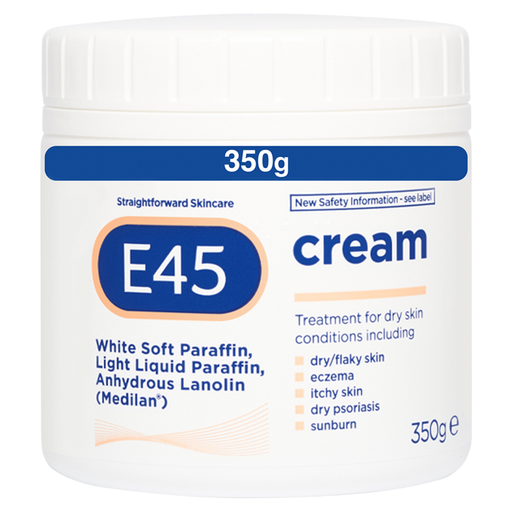
Why This Fits Their Persona: This is a classic UK staple for a reason. It provides no-frills, effective relief for common dry skin conditions like eczema and dermatitis, making it a reliable and affordable choice for the entire family (including babies over one month).
It sidesteps the price-efficacy fallacy. This affordable emollient cream relies on a proven blend of white soft paraffin, light liquid paraffin and anhydrous lanolin to create a protective barrier that truly moisturises, rather than just temporarily hydrating.
Dermatologically tested and fragrance-free, its gentle formulation is designed to minimise irritation, making it a versatile choice for managing very dry and sensitive skin.
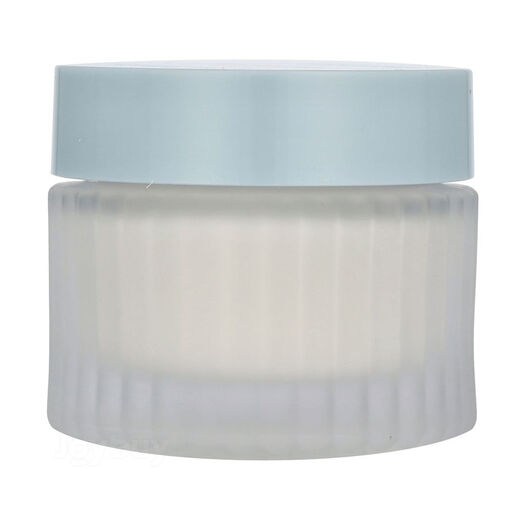
Why This Fits Their Persona: For the user who reads ingredient lists and understands that a healthy skin barrier is key, this cream offers a modern, comprehensive formulation. It is designed for those seeking to calm, balance and strengthen their skin.
This formula perfectly demonstrates the difference between hydrating and moisturising. It combines a 3-layer hyaluronic acid complex (hydrator) with a blend of 5 ceramides and cholesterol (moisturising barrier support), avoiding the "miracle ingredient" trap by providing a complete solution.
Its rich, buttery texture melts into the skin without greasiness, making it a comfortable and effective skin barrier repair cream for a wide range of skin types, from dry to combination.
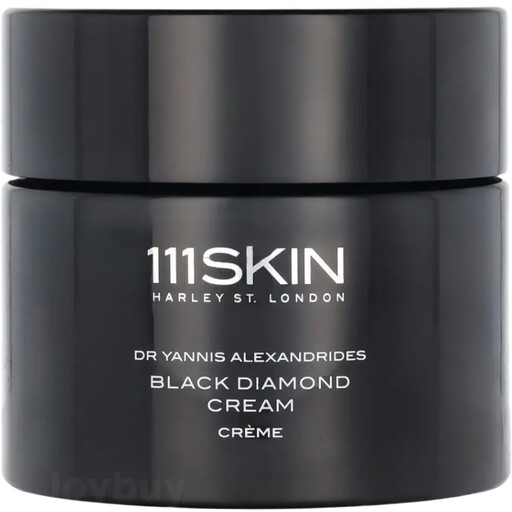
Why This Fits Their Persona: This user is willing to invest in advanced formulations and a luxurious experience to address visible signs of ageing, such as loss of firmness and wrinkles. They seek a potent, multi-action cream that delivers a premium feel and targeted results.
While it has a premium price, its value is positioned in its complex, multi-faceted formulation. It combines the brand's NAC Y? antioxidant complex, brightening agents and hydrating ingredients, going far beyond a single "miracle" ingredient.
This rich anti-ageing cream is designed for advanced signs of ageing. According to the brand's own research, its formula is shown to have a visible effect on wrinkles and skin firmness, while its texture provides a nourishing barrier to prevent moisture loss.
We have compiled a complete, real-time list of products that fully satisfy these strict selection criteria and UK safety regulations.
The timeline for results depends on the product's purpose. For hydration and relief from tightness, you should feel an immediate difference. For skin barrier repair, such as a reduction in sensitivity and redness, it can take two to four weeks of consistent use. For an anti-ageing cream to show visible improvements in skin texture and fine lines, you should expect to wait at least eight to twelve weeks.
Yes, in many cases you can. A simple hydrating face cream or face cream for sensitive skin can work well for both. However, many people prefer a lighter day cream that sits well under makeup and a richer, more restorative cream for overnight use. The most important factor is that if your day cream does not contain SPF, you must apply a separate, broad-spectrum sunscreen as the final step in your morning routine.
Yes, absolutely. Oily skin produces excess sebum (oil), but it can still be dehydrated (lacking water). In fact, dehydration can sometimes cause the skin to produce even more oil to compensate. The key is to choose the right texture. Look for a lightweight, oil-free gel or gel-cream formula that provides water-based hydration without clogging pores or feeling heavy.