
24/7 Customer Support

Free returns

Same-day & Next-day Delivery

Quality Guaranteed

Unlock Your Welcome Offers: FREE Delivery | Up to 80% OFF | Free 30-day JoyPlus trial
Download the APP
Choosing a face moisturiser can seem straightforward until product labels start promising firmer skin, fewer wrinkles, brighter tone and all-day hydration in one jar. For UK shoppers, the right choice depends less on impressive wording and more on ingredients, texture, sun protection and how the product fits into your daily routine.
A day moisturiser with SPF can be useful for everyday exposure, such as commuting or walking to the shops. However, SPF15 is not equivalent to a dedicated broad-spectrum sunscreen used generously and reapplied during prolonged outdoor exposure. Check whether the product offers UVA and UVB protection, then use a separate high-SPF sunscreen when spending significant time outside.
Ingredients such as retinol, niacinamide, vitamin C and exfoliating acids can support specific cosmetic goals, but stronger formulas may feel uncomfortable on easily irritated skin. A retinol moisturiser, for example, should be introduced gradually and paired with daytime sun protection. If your skin is dry, tight or reactive, a simpler barrier repair cream may be a more suitable starting point.
“Rich”, “silky” and “lightweight” are subjective descriptions. A rich cream may feel comfortable on dry skin but heavy on an oily complexion, while a gel cream may not provide enough protection during cold, dry UK weather. Look at the formula, intended skin type and how you plan to layer it under make-up or sunscreen.
For daytime use, confirm the stated SPF and whether UVA protection is included. OLAY Total Effects and NIVEA Q10 day creams, for example, contain SPF15, while the L’Oréal Paris Revitalift Pro Retinol day cream lists SPF30. These products can simplify a morning routine, but SPF moisturiser should be applied evenly and should not replace higher-protection sunscreen for extended outdoor activity.
A product can contain useful ingredients yet still be unsuitable for your preferences. Check the INCI list for fragrance, alcohol denat., essential oils and known allergens if your skin is reactive. Also consider whether the formula sits comfortably over serum and beneath make-up. Always follow the packaging directions and patch test a new product, especially when buying a retinol moisturiser or brightening moisturiser.
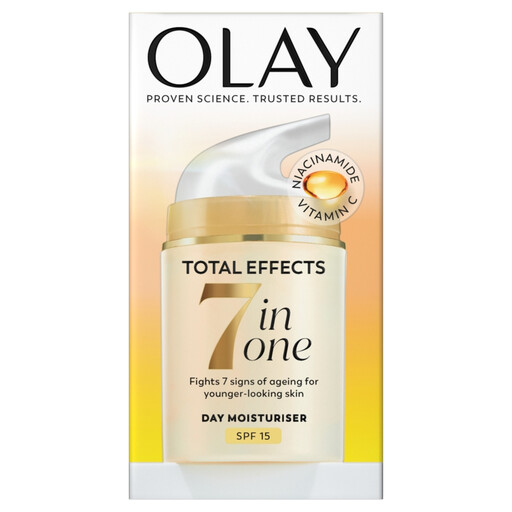
Why This Fits Their Persona: A practical daytime option for shoppers who want hydration, niacinamide and modest daily UV protection in one familiar routine step.
Its SPF15 is clearly stated, so shoppers can add a separate higher-SPF sunscreen rather than assuming the moisturiser covers every outdoor situation.
Contains niacinamide, glycerin and panthenol; the listed formula is oil-free and designed for daytime use.
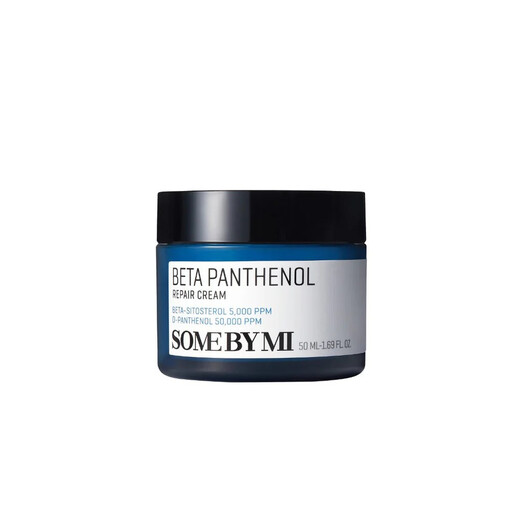
Why This Fits Their Persona: Suitable for shoppers who regularly use active skincare or experience dryness from cold weather, over-cleansing or frequent exfoliation.
The formula lists panthenol, several ceramides, squalane and multiple hyaluronic acid forms, making its barrier-care focus easy to identify.
Lightweight cream texture; the listed formula is free from artificial fragrance, synthetic pigment, alcohol and parabens.
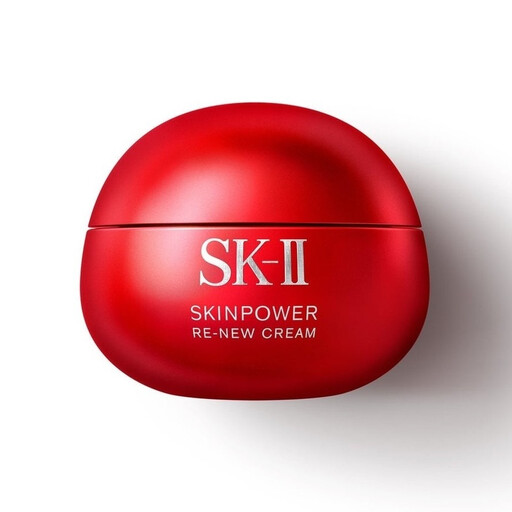
Why This Fits Their Persona: A larger-format choice for shoppers seeking a richer premium moisturiser for mature, dry or combination skin.
The ingredient list can be checked before purchase, including niacinamide, squalane, peptides and sodium hyaluronate rather than relying only on luxury positioning.
80g size; creamy texture with a formula that includes peptides, niacinamide and humectants.
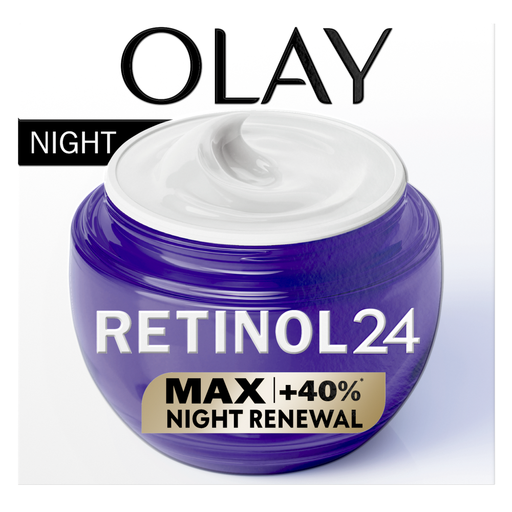
Why This Fits Their Persona: Designed for shoppers who specifically want a night cream with retinoid ingredients, glycerin and niacinamide.
Its retinol content and night-time use are clearly signposted, with guidance to introduce sun protection the following morning.
Contains retinol, retinyl propionate, glycerin and peptides; the formula is fragrance-free according to the listing.
Apply a suitable amount to clean skin, normally after serum and before daytime sunscreen. Use lighter layers in the morning if you wear make-up, and reserve richer formulas for evening use or colder weather. If using retinol, start less frequently and avoid combining several potentially irritating actives at once.
Patch test new products for 24 hours where appropriate. Do not apply cosmetic moisturiser to broken or inflamed skin, and stop using it if persistent redness, itching or burning develops.
We have compiled a complete, real-time list of products that fully satisfy these strict selection criteria and UK safety regulations.
You can, provided the formula suits your skin and does not contain ingredients intended only for night-time use. A day moisturiser with SPF is designed for morning application, while a retinol moisturiser is generally used in the evening. Many basic hydrating face creams can be used twice daily.
The usable period depends on the product’s PAO symbol, storage conditions and how often it is used. Keep the lid closed, store the jar away from heat and direct sunlight, and check the packaging for shelf-life information. Changes in smell, colour or texture are reasons to stop using it.
Price does not automatically indicate suitability. Compare the ingredient list, size, texture, fragrance, active ingredients and SPF rating against your needs. A straightforward sensitive skin moisturiser may be more appropriate than a premium formula containing several ingredients your skin does not tolerate.