
24/7 Customer Support

Free returns

Same-day & Next-day Delivery

Quality Guaranteed

Unlock Your Welcome Offers: FREE Delivery | Up to 80% OFF | Free 30-day JoyPlus trial
Download the APP
Choosing a face moisturiser should be straightforward, yet product pages often make it difficult to compare what really matters. A glossy “glass skin” promise, a long ingredient list or a high price does not automatically mean a formula will suit your skin.
For UK shoppers, the most useful approach is to assess the formula, texture, sun protection and intended use before buying. Whether you are looking for a facial moisturiser, a hydrating face cream, an anti-ageing moisturiser or a lightweight option for daily wear, these checks can help prevent wasted purchases.
Terms such as “firming”, “radiance-boosting” and “pore-minimising” describe the intended cosmetic benefits, but they do not guarantee the same result for every user. Look beyond the headline and check the actual formula.
Ingredients such as glycerin, hyaluronic acid, squalane, ceramides and panthenol are commonly used to support skin hydration and comfort. Niacinamide may be useful for shoppers concerned with the appearance of uneven tone, dullness or visible pores, but higher concentrations can feel unsuitable for some sensitive users.
A day moisturiser with SPF can be convenient for everyday urban use, but SPF15 or SPF20 should not automatically be treated as sufficient for prolonged outdoor exposure, holidays or strong summer sunlight. Coverage also depends on applying enough product.
For extended time outdoors, use a dedicated broad-spectrum sunscreen and follow the product’s application guidance. A moisturiser containing SPF can still be useful as part of a morning routine, particularly for commuting and ordinary daytime errands.
A rich cream may feel comfortable on dry skin during cold, windy UK weather but appear heavy under make-up or in warmer conditions. Conversely, a lightweight moisturiser may be pleasant for combination or oily skin but not sufficiently cushioning for very dry skin.
Fragrance and essential oils can also be a consideration. Products containing perfume, peppermint or fragrant botanical extracts may offer a noticeable sensory experience, while shoppers with reactive or easily irritated skin may prefer a simpler formula. Always check the current packaging and ingredient list before purchase.
Ingredients are generally listed in descending order by amount, although certain ingredients can appear later because they are effective at low concentrations. For example, the Anua Peach 77% Enriched Cream lists peach fruit extract prominently and includes 5% niacinamide, glycerin and sodium hyaluronate.
The Medicube TXA Niacinamide Capsule Cream also lists 5% niacinamide, alongside ceramide NP, panthenol and several forms of hyaluronic acid. Its pink capsules and red gel can be mixed to create a richer or lighter texture.
A 50ml jar or tube is a common size for a daily moisturiser. Check whether the product is intended for morning use, evening use or both. Products with SPF are generally designed for daytime application, while richer 24-hour moisturiser formulas may work morning and evening if the texture suits you.
If you use a serum, apply moisturiser afterwards to help reduce the feeling of dryness. Introduce one new product at a time so that any irritation is easier to identify.
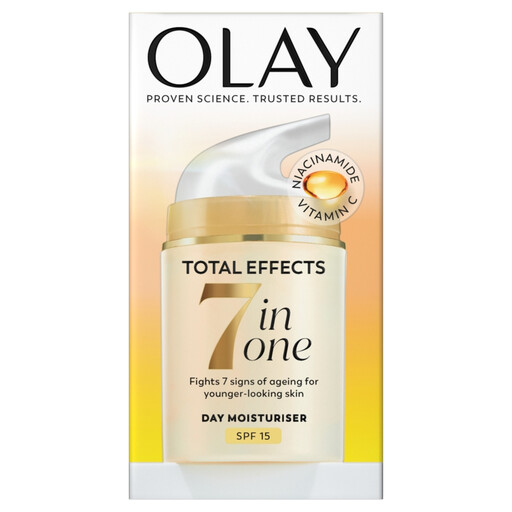
Why This Fits Their Persona: A practical daytime option for shoppers wanting hydration, niacinamide and SPF15 in one oil-free formula for work, errands and everyday UK commuting.
Its SPF15 level is clearly stated, making it easier to recognise that additional sunscreen may be needed for extended outdoor exposure.
Oil-free texture; includes niacinamide, panthenol and SPF15 for daytime use.
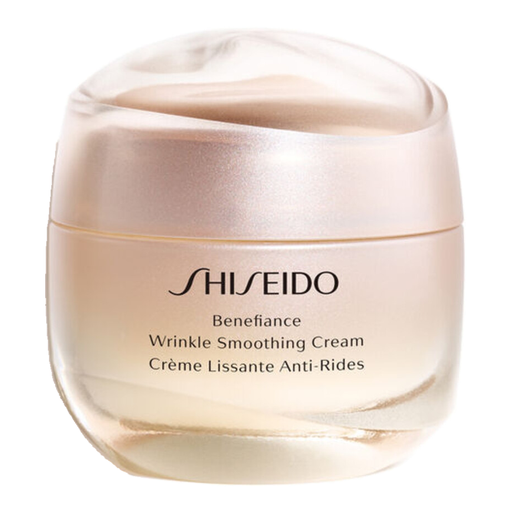
Why This Fits Their Persona: Suits shoppers seeking a silky, richer anti-ageing moisturiser for normal, dry or combination skin, with morning and evening application built into the routine.
The product information identifies its intended skin types and advises a patch test, helping shoppers assess suitability rather than relying only on anti-ageing language.
Silky texture; includes niacinamide and botanical extracts; designed for daily moisturising.
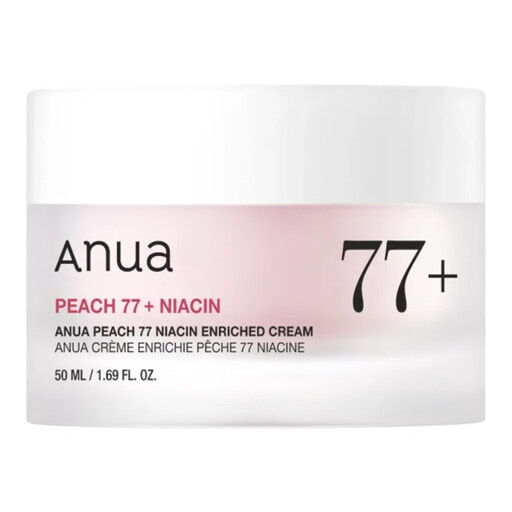
Why This Fits Their Persona: A light, pudding-like Korean face cream for shoppers who want intensive moisture without a sticky finish, particularly during dry indoor heating or colder weather.
It provides a clear ingredient list, including glycerin, niacinamide and sodium hyaluronate, rather than relying solely on a “glass skin” description.
Lists 5% niacinamide; airy texture; intended for dry and sensitive skin.
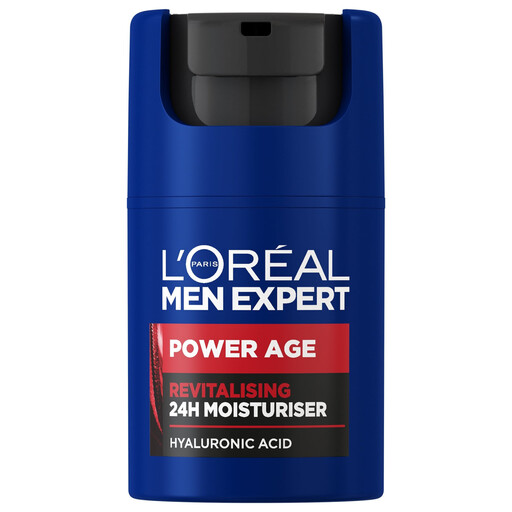
Why This Fits Their Persona: Designed for men wanting a simple face-and-neck routine, with morning and evening directions and use after shaving included in the product guidance.
Its stated 24-hour moisturisation format and usage instructions make the routine clear, while the ingredient list lets fragrance-sensitive shoppers assess the formula.
Contains glycerin, dimethicone and sodium hyaluronate; suitable for face and neck application.
We have compiled a complete, real-time list of products that fully satisfy these strict selection criteria and UK safety regulations.
Yes, most facial moisturisers are designed for regular use after cleansing. Apply a suitable amount to clean, slightly damp skin, then follow the product’s instructions. Use an SPF product in the morning if appropriate, and apply dedicated sunscreen for prolonged sun exposure.
This depends on the formula, packaging and frequency of use. Check the period-after-opening symbol, expiry information and storage guidance on the packaging. Keep the container closed and store it away from direct sunlight and high temperatures. Discard the product if its smell, colour or texture changes noticeably.
A serum and moisturiser serve different routine roles. A serum is usually selected for a specific cosmetic concern, while moisturiser helps provide hydration and improve the skin’s comfortable feel. If your routine is becoming costly or complicated, a well-matched moisturiser may be a more practical starting point.