
24/7 Customer Support

Free returns

Same-day & Next-day Delivery

Quality Guaranteed

Unlock Your Welcome Offers: FREE Delivery | Up to 80% OFF | Free 30-day JoyPlus trial
Download the APP
A face moisturiser can make a noticeable difference to how comfortable and balanced your skin feels, but choosing one is not simply a matter of picking the most popular jar. UK shoppers often pay for features they do not need, overlook irritating ingredients or expect a day cream with SPF to replace dedicated sunscreen.
The right choice depends on your skin type, preferred texture, routine and the ingredients you are comfortable using. This guide explains the main buying pitfalls and highlights suitable options for different needs, including sensitive, dry, combination, oily and blemish-prone skin.
Humectants such as glycerin, hyaluronic acid and sodium PCA help attract water to the skin. However, hydration alone may not prevent moisture loss. Ingredients such as ceramides, squalane, fatty acids and occlusive emollients can help support a more comfortable skin barrier.
A hydrating face moisturiser should therefore be judged by the overall formula, not just a prominent “24-hour” or “intense moisture” claim.
A day cream with SPF can be convenient for everyday indoor-to-outdoor use, but SPF 15 or SPF 20 offers less protection than many shoppers expect. Coverage can also vary according to how much product is applied. For prolonged outdoor exposure, use a dedicated broad-spectrum sunscreen and additional protection such as clothing and a hat.
Botanical extracts, fragrance and essential oils may be unsuitable for some people, even when they appear in a premium or soothing face cream. If your skin is reactive, check the full ingredient list and consider a fragrance-free moisturiser with a short, clearly understood formula. Patch testing is sensible before applying a new product across the face.
Ingredients listed near the beginning of an INCI list are generally present in higher amounts than those near the end, although the list does not reveal the complete percentage of every ingredient. Look for a sensible combination of water-binding ingredients, emollients and barrier-supporting components rather than relying on one fashionable ingredient.
A Korean face moisturiser may focus on centella, rice, ginseng or niacinamide, while a Japanese face moisturiser may favour simple, lightweight hydration. Neither style is automatically more suitable; the formula and your skin’s response matter more.
Decide whether you need a daily moisturiser, a night moisturiser, a soothing layer after active treatments or a product that can sit comfortably under make-up. A cream with SPF is intended for daytime use, while a richer fragrance-free moisturiser may be more useful in the evening.
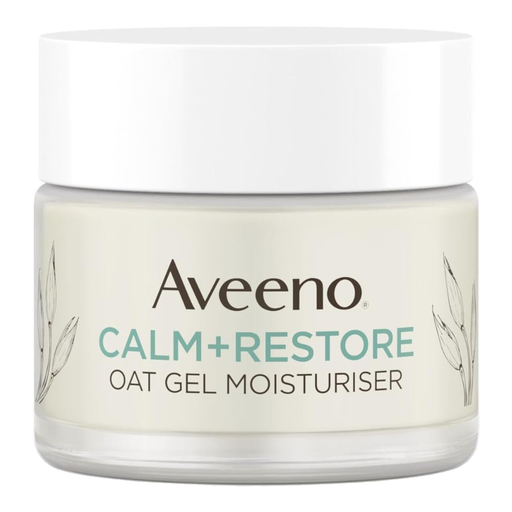
Why This Fits Their Persona: A straightforward daily option for shoppers starting a simple morning-and-evening routine, especially when a light texture is preferred.
It does not rely on fragrance or a heavy finish. The product is described as fragrance-free and uses an oat gel cream texture for lighter application.
Contains glycerin, oat ingredients and dimethicone; suitable for normal-to-dry sensitive skin according to the product information.
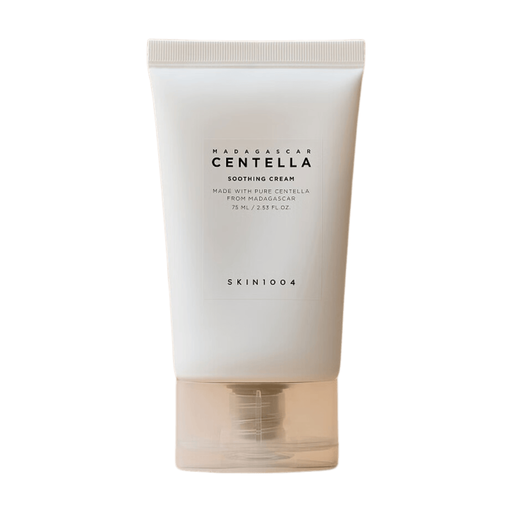
Why This Fits Their Persona: Suitable for shoppers seeking a Korean skincare-style barrier moisturiser with a creamy yet quick-absorbing finish for daily use.
Its ingredient list includes centella, glycerin and several ceramides, rather than depending solely on a broad calming claim.
75ml format; contains Centella Asiatica Extract, Ceramide NP, Ceramide NG, cholesterol and fatty-acid-related ingredients.
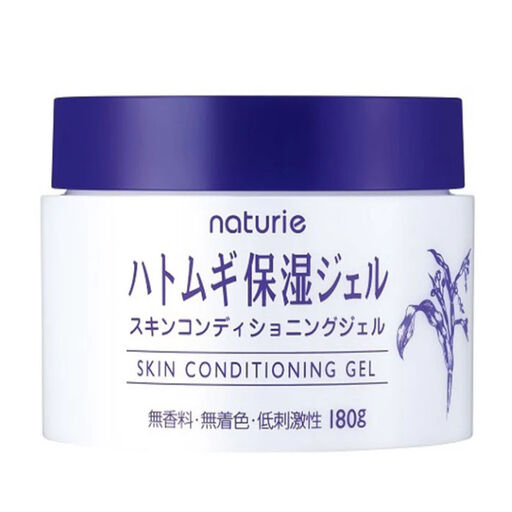
Why This Fits Their Persona: A practical Japanese face moisturiser for people who want one generous tub for facial care, overnight layering and dry areas of the body.
The 180g size and multi-use instructions make its intended value clear, while the formula is listed as oil-free, fragrance-free and colourant-free.
Jelly texture changes to a watery feel; includes glycerin, dimethicone and Coix Lacryma-Jobi Seed Extract.
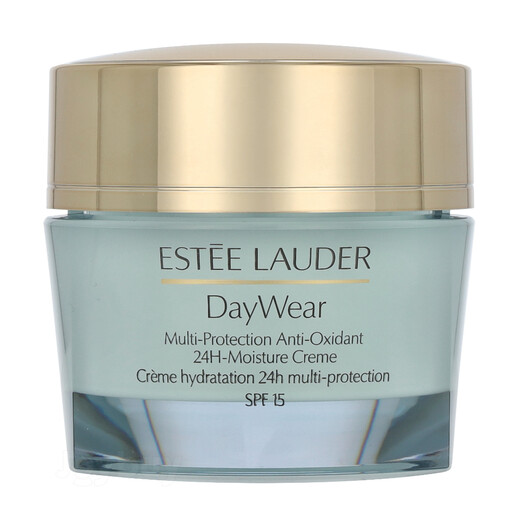
Why This Fits Their Persona: Designed for normal-to-combination skin and morning application, particularly for shoppers who prefer a lightweight cream under make-up.
The SPF level is stated clearly as SPF 15, so shoppers can add dedicated sunscreen when greater outdoor protection is required.
50ml size; contains glycerin, sodium hyaluronate, vitamin C derivative and vitamin E derivative, with a whipped texture.
We have compiled a complete, real-time list of products that fully satisfy these strict selection criteria and UK safety regulations.
Most people can use one morning and evening after cleansing. Apply a modest amount to slightly damp skin, then allow it to settle before make-up or sunscreen. If your skin feels tight, flaky or uncomfortable, a richer formula may be more appropriate.
Check the packaging for the period-after-opening symbol and storage instructions. Keep the container closed, away from direct sunlight and excessive heat. Discard the product if its smell, colour or texture changes, even if the printed date has not passed.
Usually, yes, provided it does not contain ingredients intended only for night-time use and you apply sunscreen during the day. Richer creams may feel heavy under make-up, so a gel moisturiser or lighter lotion can be more practical for daytime wear.