
24/7 Customer Support

Free returns

Same-day & Next-day Delivery

Quality Guaranteed

Unlock Your Welcome Offers: FREE Delivery | Up to 80% OFF | Free 30-day JoyPlus trial
Download the APP
Choosing a face moisturiser should be straightforward, yet many UK shoppers end up with a cream that feels greasy, pills under make-up or leaves dry patches by lunchtime. The right facial moisturiser depends on more than attractive packaging or a long list of advertised benefits. Texture, ingredients, sun protection and your skin’s changing needs all matter.
This guide explains the common buying traps, the product details worth checking and our top recommendations for different routines.
A premium price may reflect packaging, fragrance, brand positioning or a more elaborate texture rather than a formula that suits your skin. Compare the ingredient list, intended use, size and finish instead of relying on price alone.
An affordable day moisturiser may provide humectants such as glycerin, while a richer night cream may use petrolatum, oils or silicones to reduce moisture loss. Neither texture is automatically suitable for everyone.
A moisturiser with SPF can be convenient for everyday daytime use, but the protection level and application amount matter. Products such as SPF15 or SPF20 moisturisers should not automatically be treated as a replacement for dedicated sunscreen during prolonged outdoor exposure, holidays or strong sunlight.
Check the packaging for the stated SPF and UVA information. Apply generously and follow the product directions. For extended outdoor exposure, use a dedicated sunscreen designed for that purpose.
Niacinamide, collagen, cica, rice water and botanical extracts are widely used in facial moisturisers, but a popular ingredient is not necessarily the deciding factor. A sensitive skin moisturiser with fragrance may be less suitable for a reactive complexion, while a rich skin barrier cream may feel uncomfortable on oily skin.
Look at the complete formula and consider how it fits with your cleanser, serum, make-up and sunscreen.
A product labelled “non-comedogenic” refers to the manufacturer’s formulation positioning, not a guarantee that every person will tolerate it identically.
For hydration, humectants such as glycerin, panthenol, sodium hyaluronate and beta-glucan help attract or retain water in the skin’s surface layers. Occlusive ingredients such as petrolatum, dimethicone and beeswax help reduce moisture evaporation.
If your concern is a weakened skin barrier, look for a balanced formula containing ingredients such as ceramides, cholesterol, fatty acids, panthenol or squalane. For dullness or uneven-looking tone, niacinamide and selected vitamin derivatives are common choices. These ingredients do not make medical or guaranteed treatment claims, so use them as part of a consistent routine rather than expecting instant changes.
A day moisturiser may include SPF and have a lighter finish for make-up. A night cream can be richer because it does not need to sit beneath foundation or daytime sunscreen. A Korean face cream may offer a dewy, layered finish, while a gel moisturiser can be more comfortable in warmer rooms or during summer.
Always check the current packaging for the full ingredient list, directions, storage details and warnings. UK cosmetic products should be supplied with appropriate labelling, including ingredients and responsible-person information. Stop using a product if irritation develops.
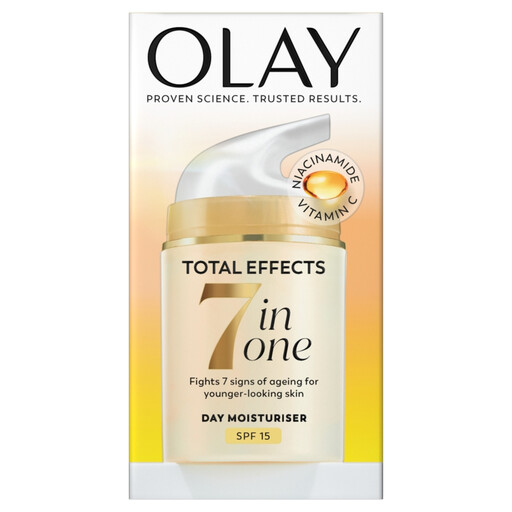
Why This Fits Their Persona: A practical starting point for shoppers wanting one daytime product for hydration, a smoother-looking finish and low-level daily UV protection before commuting or running errands.
Its stated oil-free formula is designed to absorb without a greasy residue, while the SPF level is clearly shown rather than implied.
Contains glycerin, niacinamide and panthenol; suitable for dry, normal and oily skin according to the supplied product details.
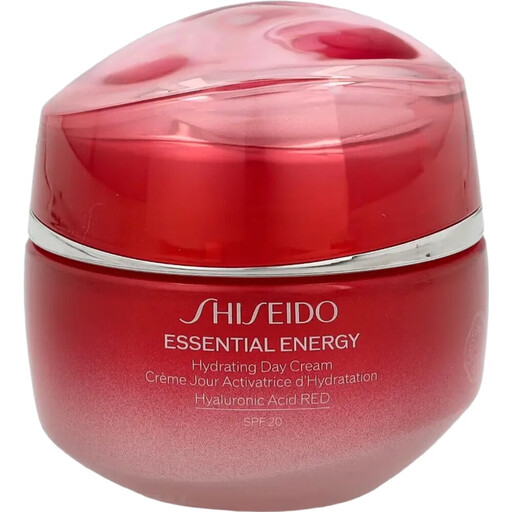
Why This Fits Their Persona: Suits shoppers seeking a refined daytime texture that layers under make-up and combines hydration with SPF20 for ordinary daily use.
The product information specifies a lightweight texture and identifies SPF20, helping buyers judge its role rather than treating it as all-day outdoor sunscreen.
50ml size, quick-absorbing description and ingredients including glycerin and sodium hyaluronate.
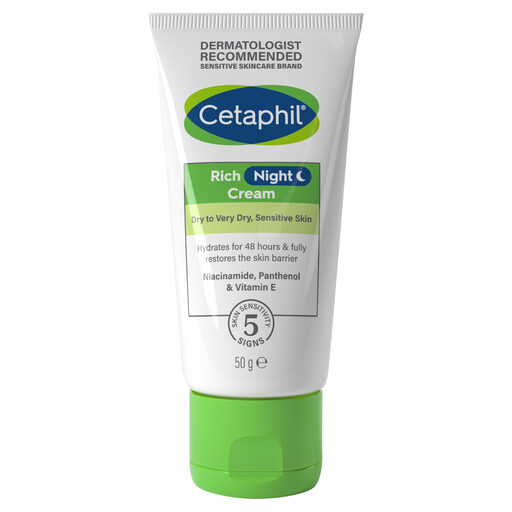
Why This Fits Their Persona: A suitable profile match for people with dry to very dry sensitive skin who prefer a richer night cream during colder or centrally heated months.
Its fragrance-free positioning and richer occlusive ingredients make its intended use clearer than a universal, one-texture-fits-all claim.
Includes petrolatum, glycerin, panthenol, niacinamide and vitamin E; supplied as a 50g night cream.
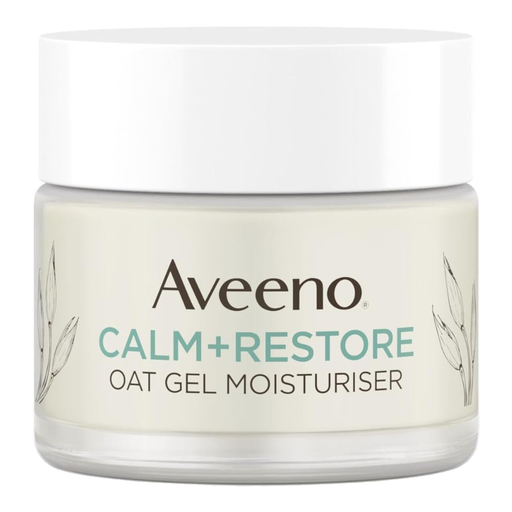
Why This Fits Their Persona: The gel-cream format suits normal-to-dry sensitive skin and shoppers who want a lighter feel for daily use in heated homes or warmer weather.
The fragrance-free, non-comedogenic and fast-absorbing descriptions give practical information about finish and routine compatibility.
Contains oat ingredients and feverfew extract; the 50ml gel moisturiser is designed for morning and evening application.
We have compiled a complete, real-time list of products that fully satisfy these strict selection criteria and UK safety regulations.
Use enough to create an even, comfortable layer across the face and neck without leaving a heavy film. The exact amount depends on the product’s texture and directions. Applying too little may leave dry areas; applying too much can contribute to pilling under make-up.
Usually, a day moisturiser can be used at night, but SPF is not necessary indoors or while sleeping. A night cream may offer a richer texture and ingredients selected for overnight comfort, making it more suitable for dry skin or colder conditions.
Check the packaging for the open-jar symbol and period-after-opening guidance. Storage also affects product condition: keep the container closed and away from excessive heat, humidity and direct sunlight. Discard the product if its smell, colour or texture changes unexpectedly.