
24/7 Customer Support

Free returns

Same-day & Next-day Delivery

Quality Guaranteed

Unlock Your Welcome Offers: FREE Delivery | Up to 80% OFF | Free 30-day JoyPlus trial
Download the APP
Finding the right face moisturiser can be surprisingly difficult. A cream may feel comfortable at first but leave dry patches by lunchtime, make an oily T-zone look shiny or trigger discomfort on sensitive skin. Packaging can also make broad promises about hydration, barrier support or clearer-looking skin without explaining whether the formula suits your routine.
The most common buying traps are:
A practical approach is to compare the formula, texture, intended skin type and usage instructions rather than relying on promotional language.
UK weather, indoor heating and cold winds can all affect how skin feels. A moisturiser for dry skin generally needs a more cushioning lotion or cream texture, while moisturiser for oily skin is often easier to wear when it has a gel or water-light finish.
Look for:
Texture is personal, but the right product should leave skin comfortable without a persistent sticky, heavy or tight feeling.
A useful facial moisturiser does not need a long list of fashionable ingredients. Focus on what your skin is asking for.
Always check the current packaging before use, as ingredient lists can change. Patch testing a small area is a sensible precaution, particularly for moisturiser for sensitive skin.
An SPF moisturiser can combine two morning steps and may sit well under make-up. However, it should be applied evenly to the face, neck and other exposed areas, and dedicated sunscreen remains important for extended outdoor time.
Also consider:
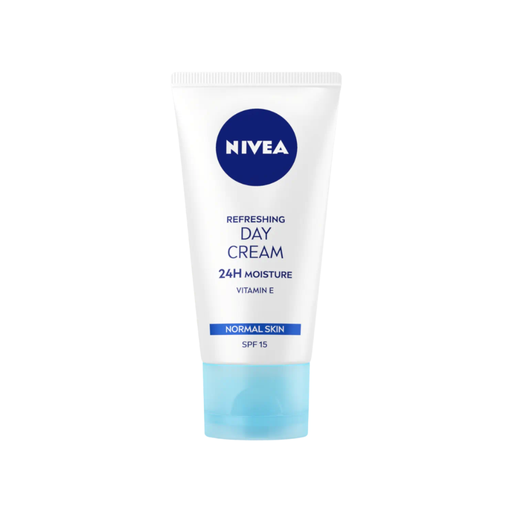
Why This Fits Their Persona: A straightforward daily face cream for normal to combination skin, suitable for shoppers building a simple morning routine.
Its stated use is clear: morning application for normal to combination skin, rather than an overly complicated multi-purpose promise.
Contains glycerin, aloe vera and vitamin E; the 50 ml formula is described as lightweight and quick-absorbing.
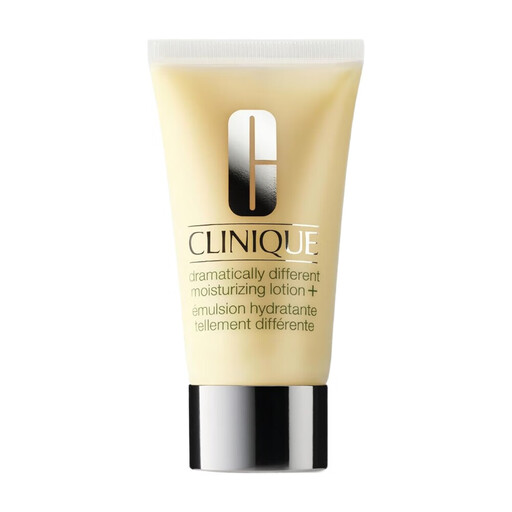
Why This Fits Their Persona: Suitable for shoppers who prefer a richer lotion for very dry to dry-combination skin and a structured twice-daily routine.
The lotion texture is clearly aimed at dry skin, reducing the risk of buying a thin gel when skin needs more cushioning.
Includes glycerin, urea, petrolatum and sodium hyaluronate; the product description specifies a silky, fast-absorbing lotion.
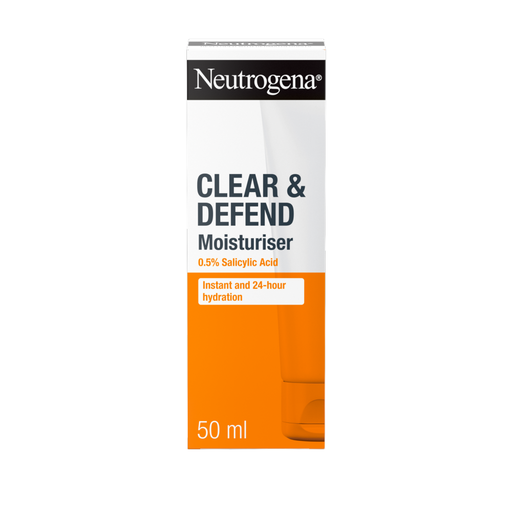
Why This Fits Their Persona: Designed for spot-prone skin shoppers who want hydration in the same routine as a salicylic acid product.
The 0.5% salicylic acid level and oil-free positioning are stated clearly, so shoppers can assess whether an exfoliating moisturiser suits their routine.
Oil-free 50 ml formula with aloe vera and chamomile; intended for morning and evening use.
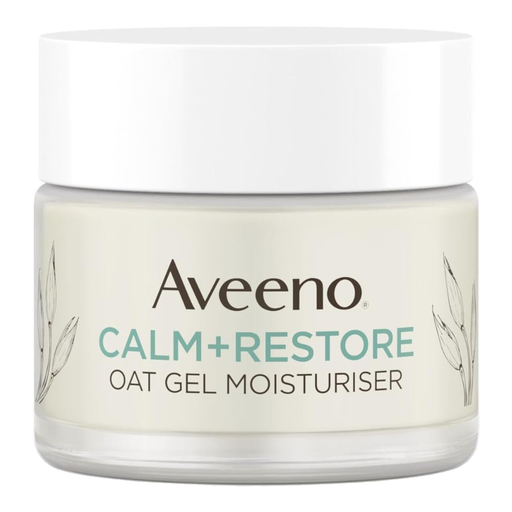
Why This Fits Their Persona: A fragrance-free gel cream for sensitive, normal to dry skin when you want hydration without a heavy finish.
The label identifies fragrance-free and non-comedogenic properties, helping shoppers avoid a fragranced cream when sensitivity is a priority.
Contains oat ingredients and glycerin; the fast-absorbing gel cream is specified for daily morning and evening use.
We have compiled a complete, real-time list of products that fully satisfy these strict selection criteria and UK safety regulations.
Yes. Most facial moisturisers are designed for daily use after cleansing. Apply a suitable amount to clean, slightly damp skin if the formula allows, then use sunscreen in the morning when needed. Follow the product directions rather than applying several layers automatically.
There is no single lifespan for every product. Check the packaging for the open-jar symbol, batch information and storage guidance. Keep the lid tightly closed and store the product away from heat, humidity and direct sunlight. Discard it if the colour, smell or texture changes, or if it causes irritation.
An SPF moisturiser can be convenient for everyday exposure, but it may not provide sufficient coverage for prolonged outdoor activities, strong sun or heavy sweating. Use a dedicated sunscreen as directed, apply enough product and reapply according to its instructions.