
24/7 Customer Support

Free returns

Same-day & Next-day Delivery

Quality Guaranteed

Unlock Your Welcome Offers: FREE Delivery | Up to 80% OFF | Free 30-day JoyPlus trial
Download the APP
Choosing a face moisturiser should be straightforward, yet product pages often make it difficult to compare what really matters. A lightweight gel, rich cream, hydrating primer and SPF50 moisturiser all serve different purposes. Choosing by packaging, celebrity appeal or one impressive ingredient can leave UK shoppers with a formula that pills, feels greasy or does not suit their skin.
This guide from the Joybuy Product Recommendation Officer focuses on practical differences, helping you select a daily facial moisturiser according to skin type, texture preference and routine.
A cream may leave skin feeling smooth immediately because of silicones, oils or occlusive ingredients. That is not necessarily a problem, but a soft finish alone does not tell you whether the formula suits dehydrated or dry skin.
Look for a combination of humectants, such as glycerin or hyaluronic acid, and emollients or occlusives, such as squalane, shea butter, petrolatum or dimethicone. Humectants attract water, while emollients smooth and occlusives help reduce moisture loss.
Combination and oily skin often prefer a lightweight moisturiser or gel moisturiser, while dry or compromised skin may need an intensive moisturiser for dry skin with richer barrier-supporting ingredients.
Fragrance, essential oils and botanical extracts may also be unsuitable for people who prefer a fragrance-free moisturiser. Always check the current ingredient list on the packaging, particularly if your skin is sensitive or reactive.
A makeup primer is designed to change how foundation sits on the skin. A pore-blurring primer may use powders or silicones to create a smoother-looking surface, while a hydrating primer can add comfort beneath makeup. Neither automatically replaces a dedicated moisturiser.
If you want fewer routine steps, a product specifically described as a moisturiser and makeup primer may be more convenient. Otherwise, apply moisturiser first, allow it to settle, then use a small amount of primer where needed.
Rather than selecting a product solely because it contains a fashionable ingredient, match the formula to your concern:
Ingredient order matters: ingredients listed near the beginning generally make up a larger proportion of the formula. However, the complete formula, not one ingredient, determines texture and compatibility.
A moisturiser with SPF can simplify a morning routine, but follow the product’s application and reapplication instructions. An SPF50 moisturiser is not a reason to extend sun exposure, and sunscreen may still be preferable for prolonged outdoor activity.
For UK purchases, check the packaging for ingredients, nominal quantity, batch or responsible-person details and usage warnings. Patch test a new product where appropriate, avoid applying skincare to broken or inflamed skin and stop use if persistent irritation develops.
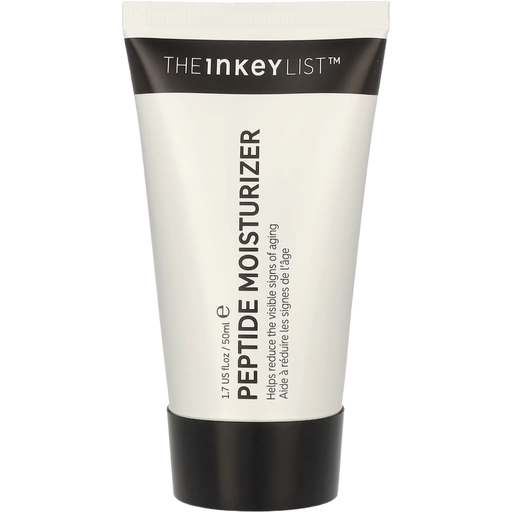
Why This Fits Their Persona: A straightforward morning-and-evening option for shoppers building a simple routine without adding fragrance.
Its fragrance-free listing makes the formula easier to screen for shoppers avoiding added fragrance, while the light cream texture is designed for layering.
Peptide blend; fragrance-free formula; 50ml size suitable for daily use.
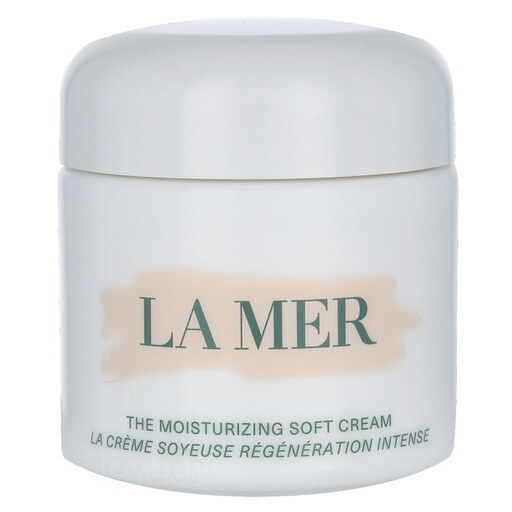
Why This Fits Their Persona: Suits shoppers who prefer a richer premium cream and a more indulgent evening skincare step.
The cream’s listed occlusive ingredients and richer format make its intended use clearer than a product marketed only with vague “glow” language.
Algae extract, petrolatum and shea butter; 100ml format for regular use.
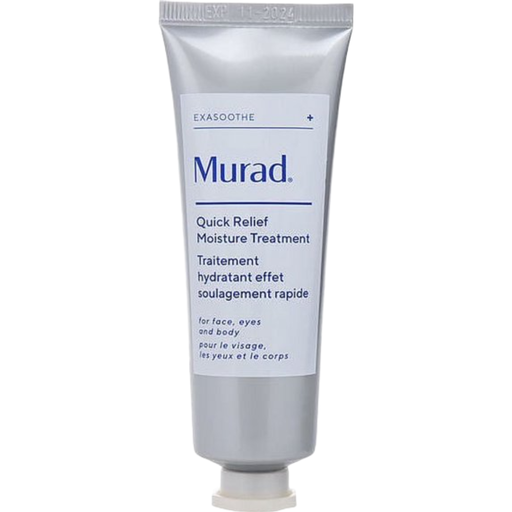
Why This Fits Their Persona: A practical choice for dry, dehydrated or stressed-feeling skin, including targeted use on dry patches.
The listed oat, squalane, shea butter, niacinamide and allantoin provide identifiable formula features beyond a general hydration claim.
Non-greasy texture; 50ml portable size; suitable for daily application according to the product directions.
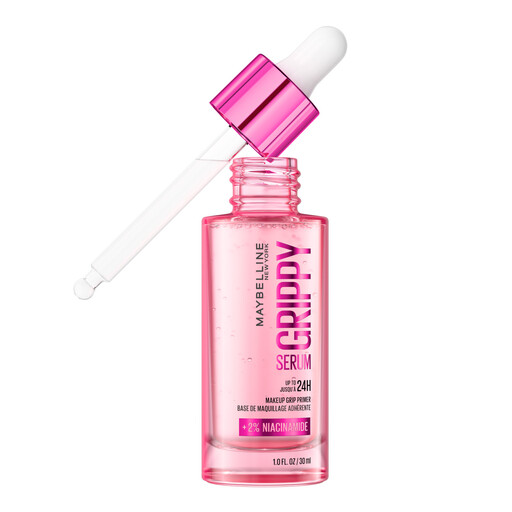
Why This Fits Their Persona: Designed for people who prioritise makeup hold and want a serum-like base before foundation.
The directions specify applying a thin layer and waiting 20 seconds, reducing the risk of pilling caused by layering makeup too quickly.
Water-based serum texture; 2% niacinamide; vegan and non-comedogenic listing.
We have compiled a complete, real-time list of products that fully satisfy these strict selection criteria and UK safety regulations.
Yes. Apply a suitable daily facial moisturiser after cleansing and serum, then allow it to absorb before foundation. If you need pore smoothing or longer makeup wear, add a thin layer of makeup primer afterwards. Using too much product can contribute to pilling.
Most moisturisers are designed for morning and evening use, but follow the product directions. A lighter formula may suit daytime use, while a richer barrier repair cream can be more comfortable at night. Apply sunscreen in the morning, either separately or through a product with an appropriate SPF rating.
Use the period-after-opening symbol and packaging instructions rather than guessing. Keep the container closed, avoid dipping unwashed fingers into a jar and store it away from heat and direct sunlight. Discard the product if its smell, colour or texture changes, even if the printed date has not passed.