
24/7 Customer Support

Free returns

Same-day & Next-day Delivery

Quality Guaranteed

Unlock Your Welcome Offers: FREE Delivery | Up to 80% OFF | Free 30-day JoyPlus trial
Download the APP
Choosing a face moisturiser can seem straightforward until marketing claims, unfamiliar ingredients and different textures make comparison difficult. A facial moisturiser that feels comfortable on dry skin may feel heavy on combination skin, while a lightweight gel may not provide enough support during cold, windy UK weather.
As the Joybuy Product Recommendation Officer, I focus on practical differences that help shoppers avoid paying for features they will not use.
“Hydrating” describes a product function, not a universal skin match. A rich hydrating face cream may suit dry skin but feel uncomfortable on an oily T-zone. Conversely, a light gel may work well in summer but leave dry cheeks feeling tight.
Look for descriptions that specify intended use, such as:
An SPF face moisturiser can add convenient daytime protection, but SPF 15 or SPF 20 is not equivalent to a dedicated high-protection sunscreen for prolonged outdoor exposure. This matters during extended walks, beach visits, gardening or sport.
Use the stated SPF as one part of your routine, and apply a suitable separate sunscreen when spending significant time outdoors. Follow the product’s application guidance and reapply sun protection as directed.
A scented day cream may be enjoyable to use, but fragrance can be an unwanted feature for people with reactive or sensitive skin. Some formulas also contain denatured alcohol, essential oils or multiple botanical extracts.
Before buying, check the full ingredient list and look for practical features such as fragrance-free, non-comedogenic or dermatologist-tested labelling. These descriptions do not guarantee that irritation is impossible, so patch testing remains sensible when introducing a new product.
Texture affects how consistently you will use a moisturiser. Choose between:
A day cream should sit comfortably under make-up, while a night cream can have a richer texture if it does not feel greasy or congested.
A moisturiser does more than add water to the skin’s surface. Ingredients such as glycerin, hyaluronic acid, squalane, ceramides, panthenol, oat and paraffin-based emollients can help improve the feel of dry or tight skin.
For a skin barrier cream, check whether the formula includes both humectants, which attract water, and occlusive or conditioning ingredients, which help reduce moisture loss. Niacinamide and ceramides are also commonly selected in routines focused on barrier care.
Brightening formulas may include niacinamide, alpha-arbutin, vitamin C derivatives or tranexamic acid. These can be relevant when uneven-looking tone is the main concern, but they should not be treated as instant solutions.
Likewise, an anti-ageing moisturiser may provide hydration and ingredients associated with smoother-looking skin, but moisturiser alone cannot replace sun protection, good cleansing habits or a routine suited to your skin’s tolerance.
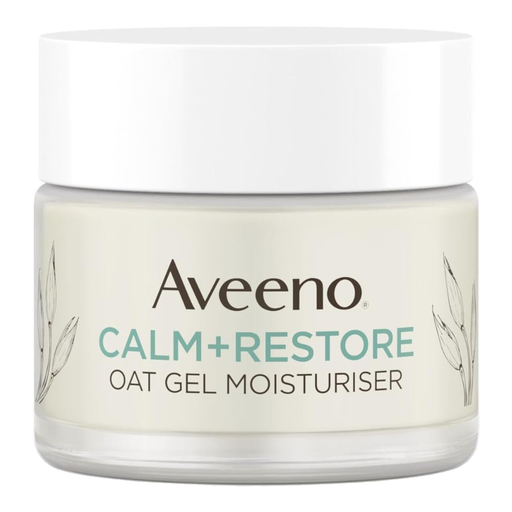
Why This Fits Their Persona: A straightforward daily option for shoppers wanting a light texture that can be used morning and night on normal to dry sensitive skin.
It is listed as fragrance-free and non-comedogenic, helping shoppers avoid paying for an unnecessarily perfumed formula.
Prebiotic oat and feverfew are included; the gel-cream texture is described as fast absorbing.
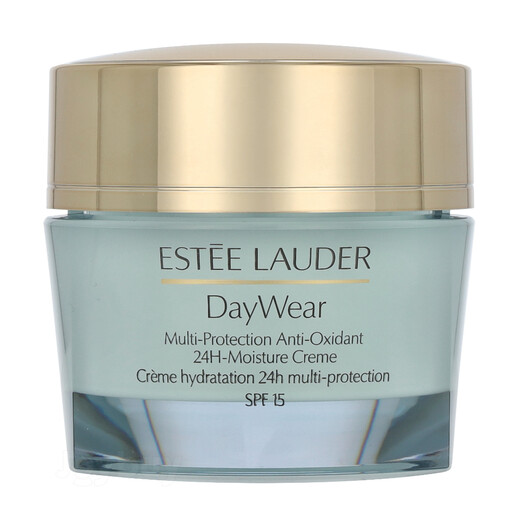
Why This Fits Their Persona: Designed for normal to combination skin, it suits shoppers seeking a daytime cream with a refreshing texture and built-in SPF 15.
The product clearly identifies its normal/combination skin format and SPF level, making its intended use easier to assess.
Includes vitamin C and vitamin E derivatives, hyaluronic acid and SPF 15; it has a lightweight whipped texture.
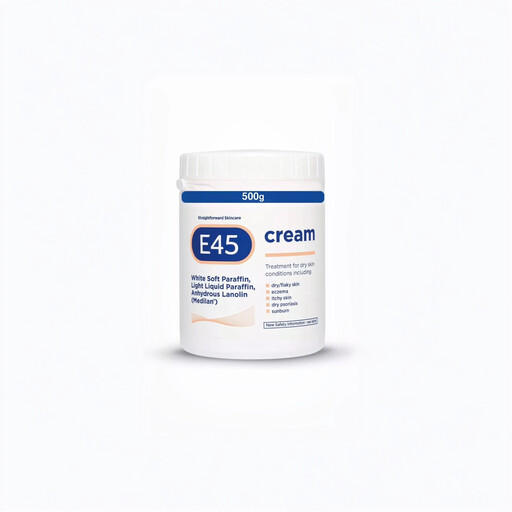
Why This Fits Their Persona: A large-format emollient for households managing very dry skin across the face, hands and body, subject to the label directions.
Its 500g size makes the quantity clear, while the formula is fragrance-free rather than relying on a cosmetic scent.
Contains white soft paraffin, light liquid paraffin and anhydrous lanolin; the label describes use for dry, flaky and chapped skin.
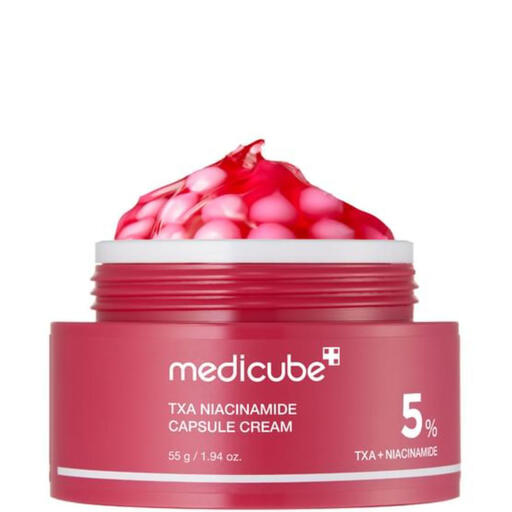
Why This Fits Their Persona: Suitable for shoppers building a Korean face cream routine around hydration and the appearance of uneven tone.
The ingredient list and capsule-to-gel mixing method are stated clearly, so shoppers can assess both actives and texture before purchase.
Includes 5% niacinamide, ceramide NP and several forms of hyaluronic acid; the texture can be adjusted by changing the gel-to-capsule ratio.
We have compiled a complete, real-time list of products that fully satisfy these strict selection criteria and UK safety regulations.
Apply moisturiser after cleansing, and use a serum beforehand if it forms part of your routine. A small, even layer is usually more practical than applying a thick coating. In the morning, finish with sunscreen when required.
For overnight care, a night cream such as AVEENO Calm & Restore Night Face Moisturiser Cream 50ml may suit normal to dry sensitive skin. Its listed features include prebiotic oat, shea butter, a fragrance-free formula and a richer texture.
Introduce one new product at a time and patch test when appropriate. Stop using it if persistent redness, itching, burning or swelling develops. Products intended for eczema or other diagnosed skin conditions should be used according to their label; seek advice from a pharmacist or GP if symptoms continue.
Many facial moisturisers are labelled for twice-daily use, but day and night formulas serve different purposes. Use a lighter cream in the morning if you apply make-up, and consider a richer night cream if your skin feels dry. Always follow the specific product directions.
Shelf life varies by product and storage conditions. Check the packaging for the open-jar symbol, expiry information and batch details. Keep the container closed, store it away from heat and direct sunlight, and replace it if the smell, colour or texture changes.
SPF 15 or SPF 20 may be convenient for routine daytime exposure, but it is not a substitute for dedicated sunscreen during prolonged outdoor activity. Use broad-spectrum protection, apply enough product and add protective clothing or shade when appropriate.