
24/7 Customer Support

Free returns

Same-day & Next-day Delivery

Quality Guaranteed

Unlock Your Welcome Offers: FREE Delivery | Up to 80% OFF | Free 30-day JoyPlus trial
Download the APP
Choosing a face moisturiser should be straightforward, yet crowded skincare shelves often make it difficult to compare formulas. A lightweight gel, rich cream, brightening moisturiser and SPF face cream may all promise smoother, fresher-looking skin, but the right choice depends on your skin’s needs, the ingredients you can tolerate and how you plan to use it in a UK routine.
A larger number on the label does not automatically mean a better result. Niacinamide, vitamin C, acids and peptides can serve different purposes, while the rest of the formula affects texture, comfort and suitability. A product containing several active ingredients may be less appropriate if your skin is already dry, reactive or using other treatments.
A cream can leave skin feeling smooth immediately because of emollients or silicones, without providing the longer-lasting hydration your skin needs. Look for a combination of humectants such as glycerin and hyaluronic acid, emollients such as plant oils or fatty ingredients and barrier-supporting ingredients including ceramides, cholesterol or panthenol.
An SPF face cream can be convenient for everyday exposure, but application amount and reapplication matter. For prolonged outdoor activity, follow the product’s instructions and use additional sun-protection measures such as clothing, shade and a dedicated sunscreen where appropriate. An evening moisturiser does not need SPF, and SPF should not be treated as a reason to skip sensible UV protection.
A lightweight gel cream may suit combination or oily skin, heated indoor environments and morning use under make-up. A richer hydrating face cream can feel more comfortable when skin is very dry, particularly during colder or windy UK weather.
If you dislike stickiness, check whether the formula is described as non-greasy or fast-absorbing. If your skin feels tight soon after applying a light lotion, consider a richer barrier repair cream for evening use.
UK shoppers should check the current ingredient list, product size, storage instructions and usage warnings on the packaging. “Sensitive skin” wording is not a guarantee that every user will tolerate a formula. Patch test a new product on a small area first, avoid broken or irritated skin and stop use if redness, itching, swelling or discomfort develops.
The following recommendations cover different needs, from a simple sensitive skin moisturiser to Korean face cream formulas and targeted brightening or wrinkle care.
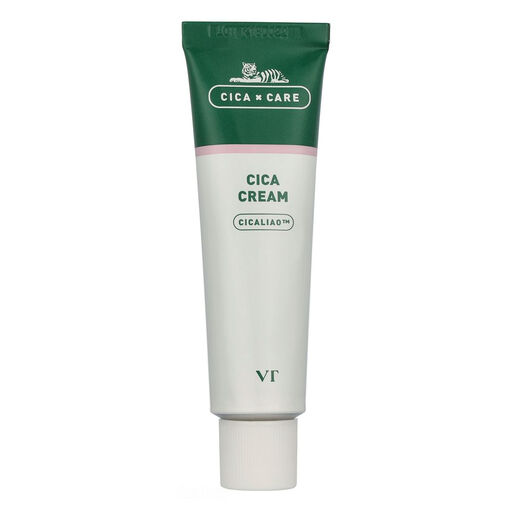
Why This Fits Their Persona: A practical everyday starting point for shoppers who want a lightweight Korean face cream without a heavy finish. Its gel cream texture is suited to morning and evening use.
It clearly combines hydration and barrier-focused ingredients rather than relying on a single headline active. The odourless formula also avoids added fragrance listed in the supplied ingredients.
Centella asiatica, hyaluronic acid, panthenol and ceramide NP; lightweight, non-sticky texture.
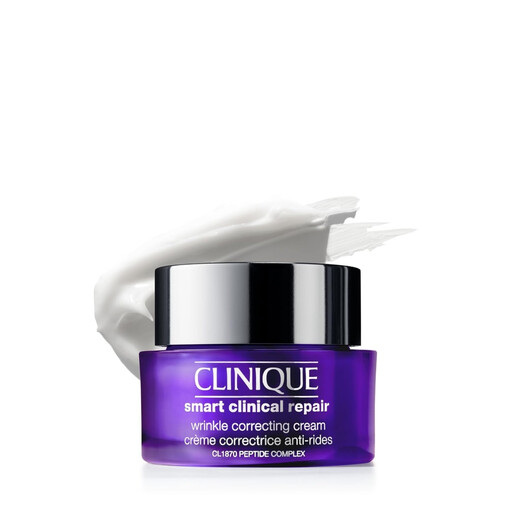
Why This Fits Their Persona: A considered option for shoppers building a structured morning and evening routine around fine-line care and comfortable daily moisturisation.
The ingredient list identifies peptides and dual molecular weight sodium hyaluronate, making the formula’s intended focus clearer than vague anti-ageing language alone.
Contains acetyl hexapeptide-8, palmitoyl peptides and sodium hyaluronate; designed for morning and evening use.
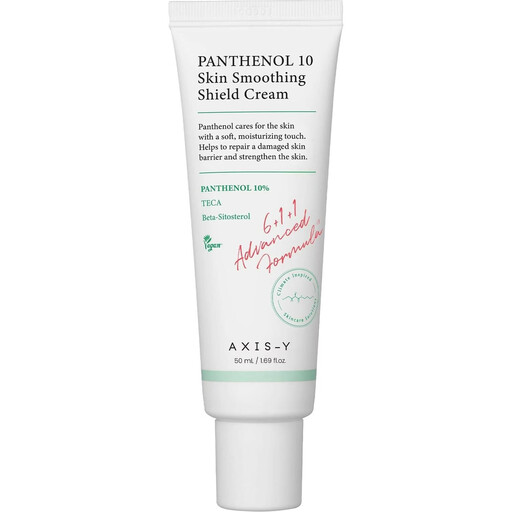
Why This Fits Their Persona: Suits dry, flaky or frequently stressed skin needing a more substantial barrier repair cream for both daily use and targeted areas.
The formula lists panthenol at 10%, alongside squalane, ceramide NP and cholesterol. This gives shoppers specific barrier-supporting details to assess.
Includes centella-derived ingredients and a protective cream texture; can be applied as a thicker layer to selected areas.
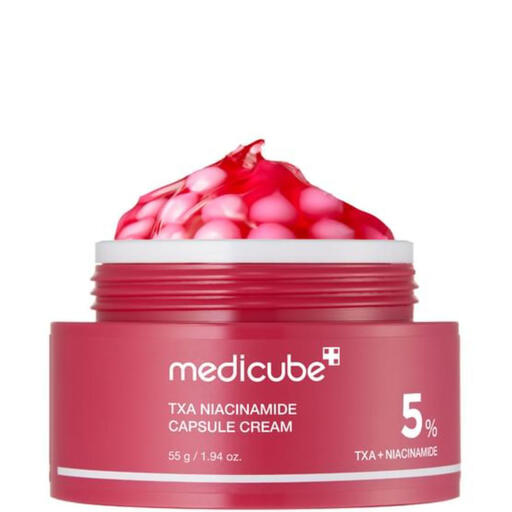
Why This Fits Their Persona: A flexible choice for shoppers focused on uneven-looking tone who also want to adjust the cream’s feel for lighter daytime or richer evening use.
Its supplied formula specifies 5% niacinamide, tranexamic acid, ceramide NP and several forms of hyaluronic acid, rather than presenting brightening as an unexplained promise.
Mix pink capsules with red gel; contains niacinamide, tranexamic acid, panthenol and multiple hyaluronic acid forms.
We have compiled a complete, real-time list of products that fully satisfy these strict selection criteria and UK safety regulations.
Apply a suitable amount to clean skin as the final step of your routine, unless the product instructions say otherwise. In the morning, apply SPF as the final sun-protection step when your moisturiser does not already contain it. Introduce one new active formula at a time, especially when using a vitamin C moisturiser, niacinamide cream or exfoliating products.
For very reactive skin, begin every other day and patch test first. Avoid combining several potentially irritating products immediately. Store the cream according to its instructions and check the packaging for the latest batch, shelf-life and ingredient information.
Most face moisturisers are designed for morning and evening use, but follow the individual directions. Apply after cleansing and water-based serums. Use a smaller amount in the morning if you are layering SPF or make-up.
It may be more comfortable at night or on dry patches, but a lighter gel cream is often easier to wear across the whole face. Texture, personal preference and the rest of your routine all matter more than the label alone.
Cosmetic products should be used according to the period-after-opening symbol, expiry information and storage guidance on the packaging. Heat, sunlight and repeated contamination can affect the formula. Keep the lid closed and avoid using a product that has changed noticeably in smell, colour or texture.