
24/7 Customer Support

Free returns

Same-day & Next-day Delivery

Quality Guaranteed

Unlock Your Welcome Offers: FREE Delivery | Up to 80% OFF | Free 30-day JoyPlus trial
Download the APP
Finding the right face moisturiser can be surprisingly difficult. A product may feel comfortable for a few minutes yet leave dry skin tight by lunchtime, or appear lightweight but contain ingredients that do not suit blemish-prone skin. UK shoppers also need to consider seasonal changes, indoor heating, colder weather and daily UV exposure.
Marketing language can make the decision harder. Here are three common traps to avoid before adding a moisturiser to your basket.
A thick cream is not automatically a suitable moisturiser for dry skin. Texture mainly describes how a product feels and spreads. For longer-lasting comfort, check the ingredient list for humectants such as glycerin, hyaluronic acid or panthenol, alongside barrier-supporting ingredients and emollients.
Conversely, a very light gel may be comfortable for oily skin but insufficient during winter or in centrally heated rooms. Your ideal texture should match both your skin type and the conditions in which you use it.
Salicylic acid can be useful in an acne-prone skin moisturiser, but it may feel uncomfortable on already irritated or over-exfoliated skin. Using several exfoliating products at once can increase the likelihood of dryness or stinging.
Likewise, brightening ingredients and botanical extracts are not automatically suitable for everyone. Always read the full ingredient list, especially if you have previously reacted to fragrance, essential oils or particular preservatives.
An SPF face cream can be convenient, but the protection depends on applying enough product and following the packaging instructions. SPF 20 or SPF 50 should not be treated as permission for extended sun exposure. For prolonged outdoor time, use a dedicated sunscreen and reapply as directed, particularly after swimming, sweating or towelling.
Skin type can change with weather, age, cleansing habits and active treatments. Buying one formula for every season is not essential.
Humectants attract water to the skin’s surface and include glycerin, hyaluronic acid and beta-glucan. Emollients help soften rough-feeling skin, while occlusive ingredients help reduce moisture loss by forming a protective layer. Ceramides, cholesterol and fatty acids are commonly included in barrier-focused formulas.
A product containing several ceramides may appeal to shoppers seeking a ceramide moisturiser, but the overall formula and your personal tolerance still matter more than one highlighted ingredient.
A cream labelled as a night cream may contain richer oils, petrolatum or shea butter, making it better suited to evening use or very dry skin. A gel cream may layer more easily under make-up.
Check whether the product contains added fragrance, alcohol or exfoliating acids if you have sensitive skin. Patch testing on a small area before full-face use is a sensible precaution. Stop using a product if persistent redness, itching, swelling or discomfort develops.
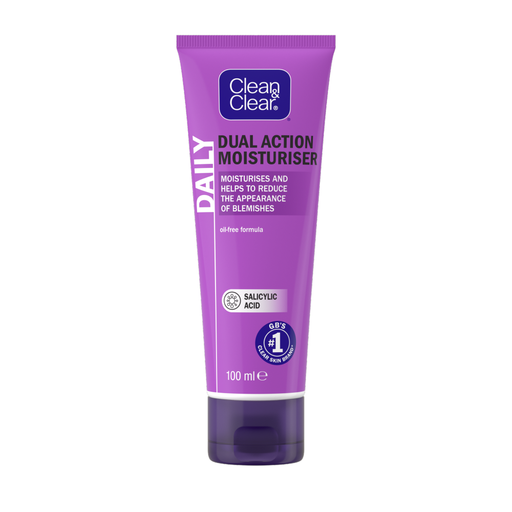
Why This Suits Their Persona: A practical option for shoppers wanting a simple daily moisturiser with an oil-free texture and blemish-focused ingredient.
The oil-free, fragrance-free formula is clearly positioned for daily use, while salicylic acid is listed rather than hidden behind vague spot-care wording.
100ml size; oil-free and fragrance-free formula; contains salicylic acid.
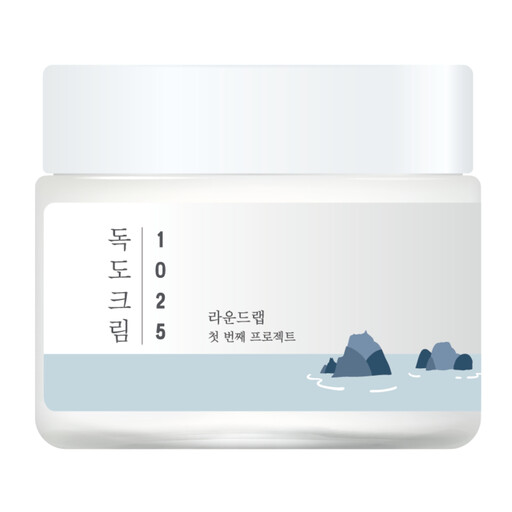
Why This Suits Their Persona: Suits shoppers seeking a richer Korean face cream for dry, dehydrated or sensitive skin, particularly during colder UK weather.
The formula combines triple hyaluronic acid with five ceramides, rather than relying on a rich feel alone to suggest hydration.
Fragrance-free; contains ceramides, panthenol, shea butter and three forms of hyaluronic acid.
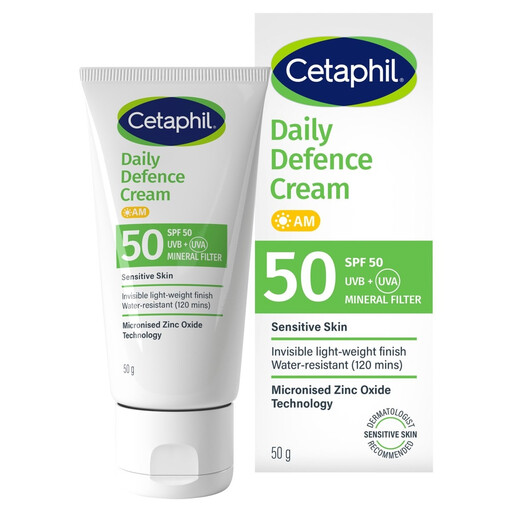
Why This Suits Their Persona: A daytime choice for commuters, walkers and shoppers wanting moisturising care with mineral SPF 50 in one product.
Its SPF 50 rating and 120-minute water-resistance information are stated clearly, so shoppers can distinguish labelled protection from general day-cream claims.
Mineral zinc oxide filter; fragrance-free; designed for daily face and neck use.
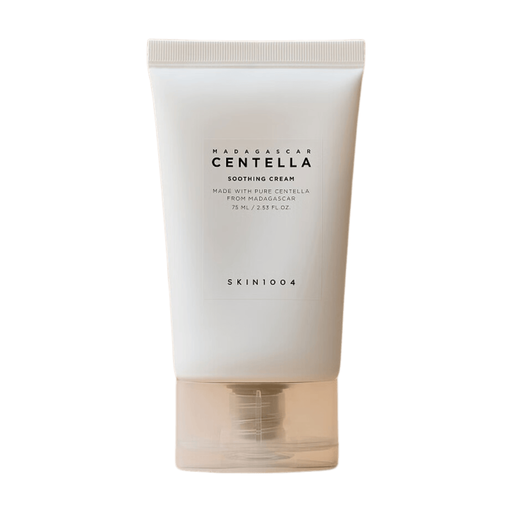
Why This Suits Their Persona: Suitable for shoppers who prefer a lighter Korean gel-cream texture that can be used morning and evening.
Its soft gel-cream format offers an alternative to heavy occlusive creams, while centella, ceramides and cholesterol are listed for barrier-focused care.
75ml size; lightweight finish; contains centella asiatica, ceramides and sodium hyaluronate.
We have compiled a complete, real-time list of products that fully satisfy these strict selection criteria and UK safety regulations.
Apply moisturiser after cleansing, while the skin is slightly damp if the formula allows it. Use a modest amount first and add more only where needed. In the morning, apply your face moisturiser before sun protection unless it already forms part of a correctly used SPF routine.
At night, a richer night cream can be applied as the final step. If using salicylic acid, retinoids or other active products, introduce them gradually and avoid combining multiple potentially irritating products without checking suitability.
Most people apply it once or twice daily, depending on skin comfort and the product directions. Dry skin may benefit from morning and evening use, while oily skin may prefer a lighter layer during the day.
You can, but your skin may need different textures across the year. A lightweight face moisturiser may feel more comfortable in warmer weather, while a richer ceramide moisturiser can help reduce tightness during cold or centrally heated periods.
Follow the open-jar symbol and packaging instructions rather than relying on a fixed period. Keep the container closed, store it away from direct sunlight and heat, and replace it if the smell, colour or texture changes. Always check the current ingredient list and usage guidance printed on the product packaging.