
24/7 Customer Support

Free returns

Same-day & Next-day Delivery

Quality Guaranteed

Unlock Your Welcome Offers: FREE Delivery | Up to 80% OFF | Free 30-day JoyPlus trial
Download the APP
A face moisturiser should make your daily routine more comfortable, not leave you choosing between tight, flaky skin and an oily finish. Yet many shoppers buy based on phrases such as “deep hydration”, “poreless” or “brightening” without checking the texture, active ingredients or potential irritants.
The right face moisturiser depends on your skin’s current needs, how the formula feels under sunscreen and make-up, and whether you are already using exfoliating or blemish-focused products. This guide explains the main buying traps, the specifications worth checking and our top recommendations for different skin profiles.
A thick cream may feel comforting on dry skin, but it can feel heavy on oily or combination skin, particularly during warmer indoor conditions or humid weather. Conversely, a lightweight gel moisturiser may be comfortable for daytime use but insufficient for very dry skin.
Look for the balance between humectants, such as glycerin, hyaluronic acid and panthenol, and occlusive or barrier-supporting ingredients, such as ceramides, fatty acids, oils or silicones. The texture should match your skin rather than simply feeling rich in the jar.
A salicylic acid moisturiser may suit blemish-prone skin, but combining it with other exfoliating acids, retinoids or spot treatments can increase the chance of dryness and irritation. Fragrance and essential oils can also be less suitable for reactive skin.
Check the complete ingredient list and introduce one new product at a time. A patch test is sensible, especially when buying a moisturiser for sensitive skin.
Terms such as “clinically tested”, “poreless” and “glowing” describe marketing or user-perceivable goals, not guaranteed outcomes for every person. Cosmetic products should not be treated as medical treatments. In the UK, always follow the packaging instructions, check the responsible person and ingredient list, and stop using a product if persistent irritation develops.
Choose based on how you want your skin to feel:
“Oil-free” does not automatically mean non-comedogenic, while an oil-containing product is not automatically unsuitable for blemish-prone skin. Consider the full formula and your personal response.
For a moisturiser for acne-prone skin, salicylic acid may be included to help exfoliate the surface and support a clearer-looking complexion. Neutrogena Clear and Defend, for example, lists 0.5% salicylic acid, aloe vera and chamomile. Use caution when pairing it with other acne treatments, as the product warning notes that irritation may occur when multiple treatments are used together.
For dull-looking skin, a brightening moisturiser may contain niacinamide, vitamin C derivatives, arbutin or yuja extract. These ingredients can support a more even-looking appearance, but daily broad-spectrum SPF remains important because moisturiser does not replace sun protection.
If your skin is easily irritated, compare the ingredient list rather than relying only on the front label. Some formulas are fragrance-free, while others contain parfum or botanical essential oils. A fragrance-free formula may be preferable for shoppers seeking a moisturiser for redness or sensitive skin, although individual tolerance still varies.
Check the current packaging before use because formulations, warnings and shelf-life information can change.
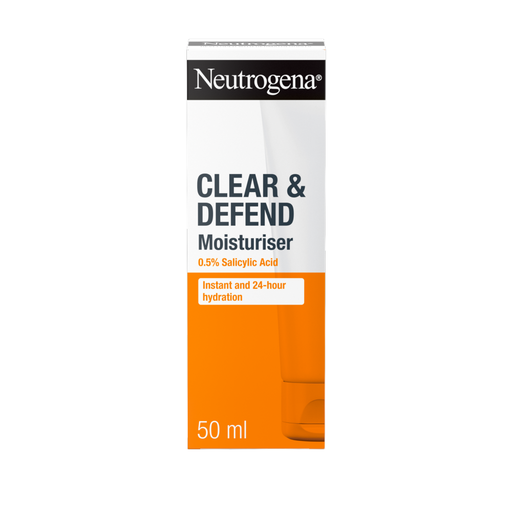
Why This Fits Their Persona: A practical starting point for teenagers and adults with spot-prone skin who want hydration alongside a blemish-focused ingredient.
Its oil-free formula and listed 0.5% salicylic acid make the active content clear, rather than hiding it behind a general “clarifying” claim.
Contains glycerin, aloe vera and chamomile; designed for daily morning and evening application.
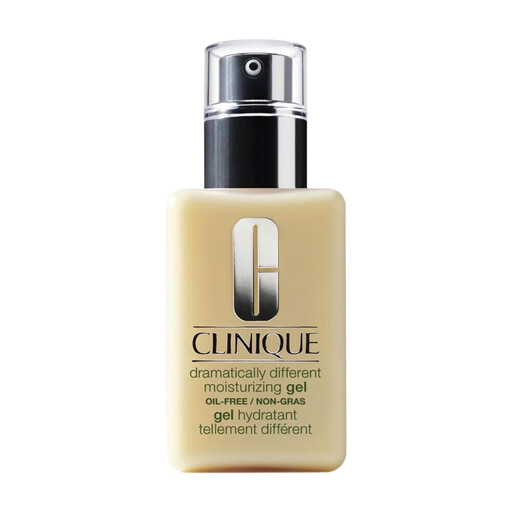
Why This Fits Their Persona: Suitable for shoppers who prefer a larger-format, fast-absorbing gel for combination or oilier skin and a simple morning-and-evening routine.
The product information clearly identifies an oil-free, fragrance-free gel, helping shoppers assess finish and fragrance preferences before purchase.
Lists hyaluronic acid, glycerin and sodium hyaluronate; the 125ml size suits regular use.
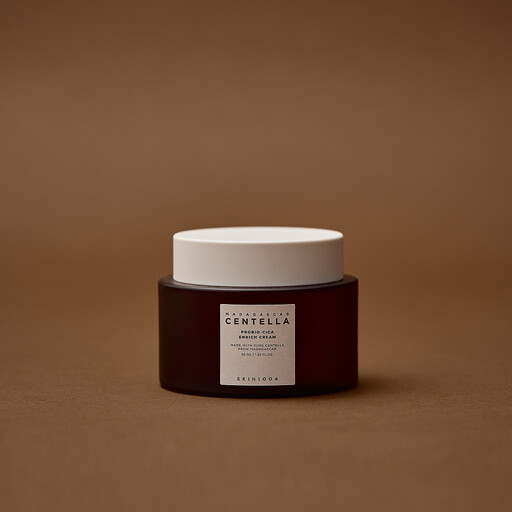
Why This Fits Their Persona: A richer Korean face cream for dry, reactive skin or shoppers dealing with cold weather, indoor heating and repeated moisture loss.
The ingredient list shows barrier-oriented components including ceramide NP, squalane, glycerin and plant oils, making its richer profile easier to assess.
Contains centella-derived ingredients, lactobacillus ferment, ceramide NP and sodium hyaluronate.
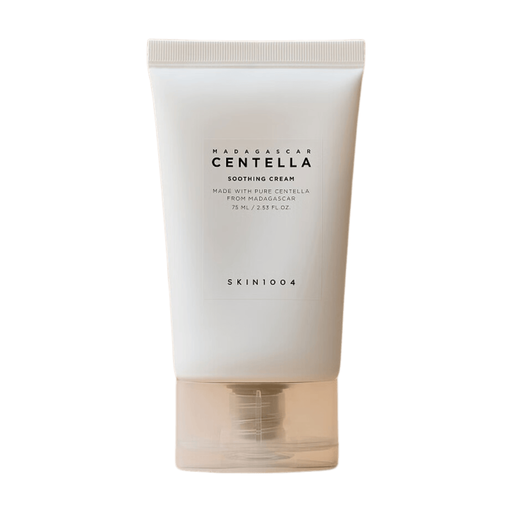
Why This Fits Their Persona: A lighter option for sensitive or redness-prone skin when you want daily hydration without a strongly occlusive finish.
Its product details identify a gel-cream texture and list ceramides, cholesterol and phytosphingosine, rather than relying only on a vague calming label.
Includes centella asiatica extract, beta-glucan, sodium hyaluronate and several ceramide types.
Apply moisturiser after cleansing and any lighter serums, using a moderate amount rather than a thick layer. If you use a salicylic acid moisturiser or brightening moisturiser, avoid adding several new active products at the same time.
Use a separate SPF in the morning. In the evening, a richer barrier repair cream may be more comfortable if your skin feels dry. Keep the product away from the eyes, do not apply it to broken or severely inflamed skin, and follow the label’s storage and disposal guidance.
We have compiled a complete, real-time list of products that fully satisfy these strict selection criteria and UK safety regulations.
Most facial moisturisers can be used once or twice daily, depending on the product instructions and your skin’s needs. Apply after cleansing, and use SPF separately in the morning.
Yes, but choose a lightweight, non-greasy formula and check the active ingredients. If using salicylic acid, be cautious when combining it with other exfoliants or acne treatments. Stop if irritation occurs.
The period varies by product and packaging. Check the open-jar symbol, expiry information and storage instructions. Discard it if the smell, colour or texture changes, or if the seal is damaged.