
24/7 Customer Support

Free returns

Same-day & Next-day Delivery

Quality Guaranteed

Unlock Your Welcome Offers: FREE Delivery | Up to 80% OFF | Free 30-day JoyPlus trial
Download the APP
A face moisturiser can make skin feel comfortable, smooth and balanced, but choosing one is not simply a matter of selecting the most expensive jar. UK shoppers often face a crowded shelf of gel creams, intensive treatments and “radiance-boosting” formulas, each using different language to describe similar benefits.
The right choice depends on your skin type, preferred texture, ingredient sensitivities and how the product fits into your morning and evening routine. This guide explains what to check before buying, highlights common marketing pitfalls and presents our top recommendations for different needs.
A moisturiser may feel smooth immediately because of silicones, oils or occlusive ingredients. That sensation is useful, but it does not automatically indicate that the formula suits your skin over time. Look for a combination of humectants, such as glycerin, hyaluronic acid or sodium PCA, and emollients or occlusives that help reduce moisture loss.
A hydrating face moisturiser should leave skin comfortable without creating persistent tightness, excessive shine or a heavy film.
An intensive moisturiser can be useful when skin feels rough, flaky or tight, particularly during colder weather. However, a thick cream may feel uncomfortable on combination or oily skin. Conversely, a very light gel may not provide enough cushioning for dry skin.
Texture should match both your skin type and your environment. Central heating, cold wind and low indoor humidity can make a lighter formula feel insufficient in winter, while a gel may be more comfortable during warmer months.
Plant extracts, essential oils and fragrance are not automatically unsuitable, but they may be relevant if your skin is reactive. A premium price also does not guarantee that a formula will work for everyone. Read the full ingredient list and check for fragrance, essential oils, alcohol and known personal triggers.
If you are comparing a Clinique moisturiser, La Mer moisturiser or Origins moisturiser, compare the actual texture and ingredient profile rather than relying on brand positioning alone.
Do not judge a formula by one headline ingredient alone. Hyaluronic acid and glycerin attract water, while ceramides, dimethicone, squalane and shea butter can help soften skin and limit moisture loss. Niacinamide is commonly used in formulas designed to support the appearance of a healthy moisture barrier.
For an anti-ageing moisturiser, check whether the product mainly provides hydration and smoothing, or whether it contains additional ingredients aimed at the appearance of fine lines. Moisturiser is not a replacement for sunscreen, so apply a suitable SPF during the day.
Check the current packaging for the complete ingredient list, directions, shelf-life information and warnings. A jar may be convenient, while a tube or refill system can suit shoppers who prioritise portability or reduced packaging.
Use a small amount after cleansing, then apply sunscreen in the morning. Avoid the eye area unless the product is specifically intended for it. Stop use if irritation develops.
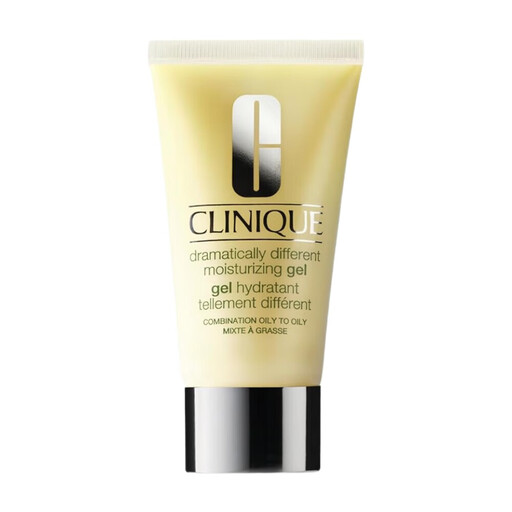
Why This Fits Their Persona: A manageable 50ml tube suits skincare beginners who want a straightforward daily moisturiser for combination or oilier skin, including routines used before work or commuting.
Its oil-free gel format avoids the assumption that daily hydration must feel greasy. The listed formula is also 100% fragrance-free and allergy tested, although individual sensitivities can still vary.
Lightweight gel texture; 50ml tube format; includes glycerin and sodium hyaluronate.
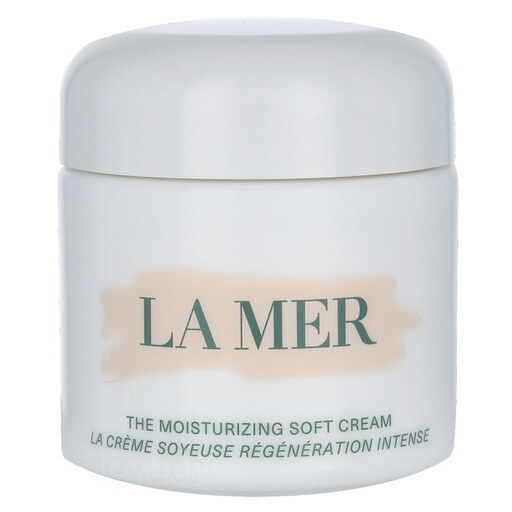
Why This Fits Their Persona: Suitable for shoppers seeking a richer, refined cream texture and a premium facial skincare ritual for dry or normal-feeling skin.
The product description identifies a soft cream texture rather than an ultra-light gel. Its full ingredient list includes fragrance and eucalyptus leaf oil, so sensitive-skin shoppers should review it carefully.
Soft cream consistency; includes algae extract, glycerin, shea butter and sodium hyaluronate.
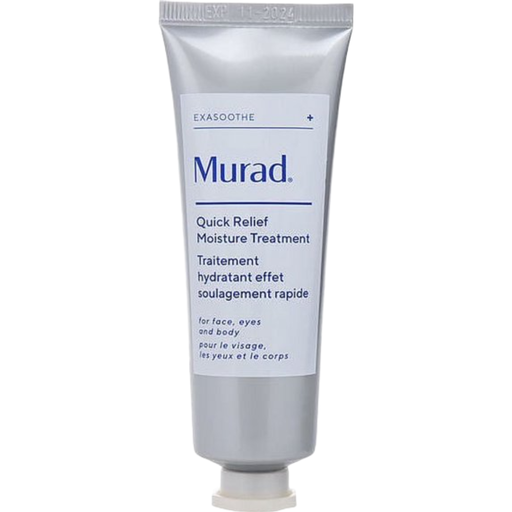
Why This Fits Their Persona: A practical choice for dry, stressed or dehydrated skin, including people who need extra comfort during cold, windy UK weather or heated indoor conditions.
The formula combines humectants with squalane and shea butter, rather than relying only on a water-light texture. It can also be applied more generously to particularly dry areas.
Contains oat extracts, squalane, shea butter, niacinamide and allantoin; suitable for face and neck.
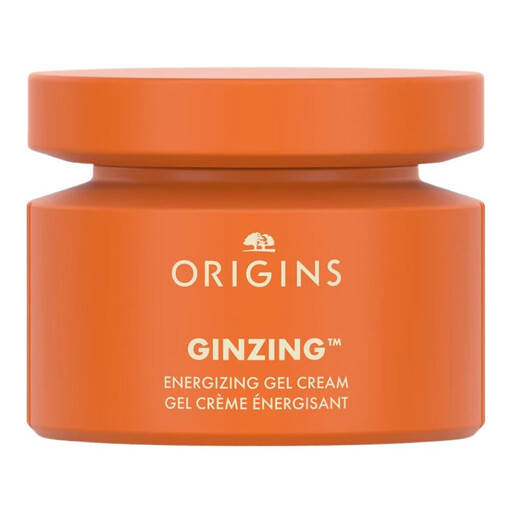
Why This Fits Their Persona: Its refreshing gel-cream texture suits combination to oily skin and morning routines where quick absorption matters.
It offers a lightweight alternative to heavy creams, but the formula contains citrus and spearmint essential oils, so sensitive users should patch test first.
Gel-cream texture; includes niacinamide, glycerin, caffeine and sodium hyaluronate.
We have compiled a complete, real-time list of products that fully satisfy these strict selection criteria and UK safety regulations.
A small, even layer is usually enough for the face and neck. Start with a modest amount and add more to dry areas if required. Applying too much can cause pilling beneath sunscreen or make oily skin feel heavy.
Yes. Allow the moisturiser to absorb before applying make-up and sunscreen. Lightweight gel formulas are often convenient for this purpose, while richer creams may need more time before foundation.
Follow the open-jar symbol and storage guidance on the packaging. Keep the lid closed, avoid introducing water or dirty fingers into the product and store it away from direct heat and sunlight. If the smell, colour or texture changes, discontinue use and check the product information.