
24/7 Customer Support

Free returns

Same-day & Next-day Delivery

Quality Guaranteed

Unlock Your Welcome Offers: FREE Delivery | Up to 80% OFF | Free 30-day JoyPlus trial
Download the APP
A suitable face moisturiser should make your skin feel comfortable, not leave you greasy, tight or congested. Yet choosing one can be surprisingly difficult when product pages emphasise ingredient percentages, “multi-benefit” claims and luxurious textures without explaining who the formula actually suits.
For UK skincare shoppers, three common buying traps are worth avoiding:
Texture is one of the most practical specifications. A lightweight gel moisturiser or fluid lotion generally suits combination or oily skin, especially if you dislike a tacky finish. Creams containing ingredients such as squalane, shea butter, petrolatum or richer emollients may be more comfortable for dry skin, particularly during cold, windy UK weather.
If you wear foundation, look for a formula that absorbs evenly and allow a few minutes between skincare and make-up. A product described as a primer can be useful, but do not assume every moisturiser will prevent pilling with every serum or foundation.
For hydration, look for humectants such as glycerin, hyaluronic acid and panthenol. These help attract or hold water within the skin’s surface layers. Emollients smooth the feel of rough skin, while occlusive ingredients such as petrolatum, dimethicone and beeswax can help reduce moisture loss.
A barrier repair moisturiser may include ceramides, cholesterol, fatty acids, oat ingredients or soothing botanical extracts. However, “natural” does not always mean non-irritating. Fragrance, essential oils and some plant extracts may be unsuitable for reactive skin. Always check the current packaging ingredients, as formulations can change.
A 50ml cream may be convenient for a handbag or bedside table, while a 75ml or 200ml lotion can offer more applications for the face, neck and hands. Compare cost per millilitre, not just the shelf price.
For sensitive skin, fragrance-free and non-comedogenic labels may be useful selection filters, but neither removes the need for a patch test. Stop using a product if burning, itching, swelling or persistent redness develops. Cosmetic products should be used only as directed and not on broken or infected skin.
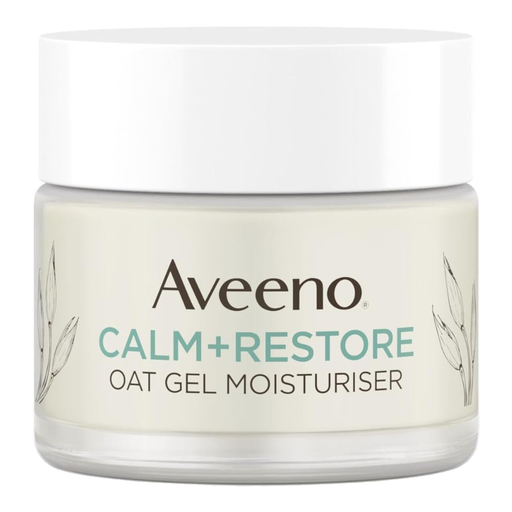
Why This Fits Their Persona: A straightforward daily option for normal-to-dry and sensitive skin, including shoppers who want one product for morning and evening use.
The gel-cream texture is designed to absorb without a heavy or greasy residue. It is listed as fragrance free and non-comedogenic.
Contains prebiotic oat and feverfew extract; 50ml size suits everyday bathroom or travel use.
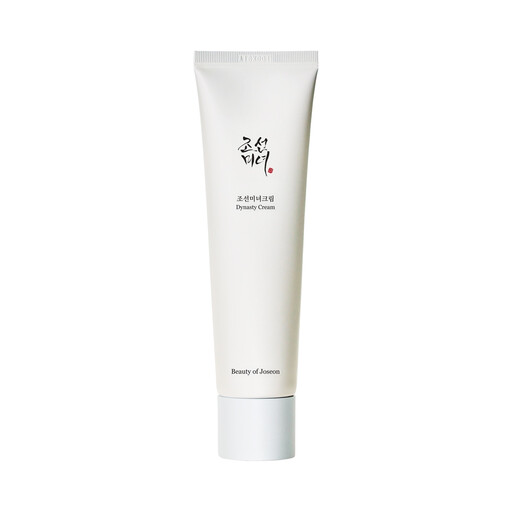
Why This Fits Their Persona: Suits shoppers interested in a Korean moisturiser with a nourishing cream texture and a larger format for regular use.
The 100ml size makes it easier to assess value by volume, while the stated ingredients provide more useful detail than a “glow” label alone.
Includes niacinamide, squalane, hyaluronic acid and ceramide NP; can be used as a moisturiser or sleeping mask.
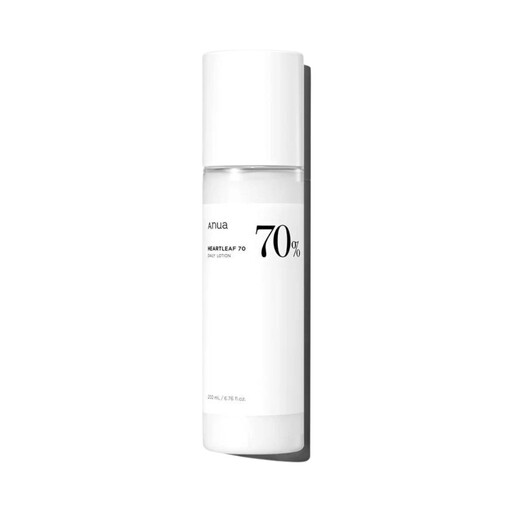
Why This Fits Their Persona: A practical choice for frequent users who apply lotion morning and night, or across the face and neck.
Its fluid lotion format is intended to absorb quickly without a sticky finish, avoiding the heavy feel that can discourage consistent use.
Large 200ml format; contains heartleaf extract and several forms of hyaluronic acid.
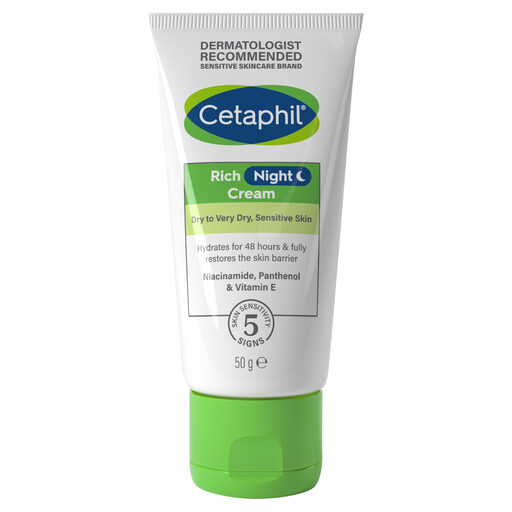
Why This Fits Their Persona: Designed for dry to very dry sensitive facial skin, making it suitable for a richer evening routine in colder or drier rooms.
A richer night cream avoids relying on a lightweight texture when dry skin needs a more cushioning finish. The listed formula is fragrance free.
Contains glycerin, petrolatum, panthenol, niacinamide and vitamin E; supplied in a 50g format.
We have compiled a complete, real-time list of products that fully satisfy these strict selection criteria and UK safety regulations.
Apply your facial moisturiser after cleansing and any water-based serum. Use a small amount first, spreading it over the face and neck without rubbing aggressively. In the morning, finish with a suitable broad-spectrum sunscreen where needed. At night, a night cream can be layered over lighter products if your skin feels tight.
Introduce one new product at a time and patch test according to the packaging guidance. Keep the lid closed, store the product away from direct sunlight and check its batch, shelf-life or period-after-opening information.
Yes, if its texture suits both routines and it does not contain a daytime-inappropriate active. A dedicated day moisturiser with SPF may be convenient in the morning, but SPF15 should not be treated as complete protection for extended sun exposure. A richer cream may be more comfortable at night.
There is no fixed lifespan because usage varies. A pea-sized application once daily will last longer than applying it to the face, neck and hands twice daily. Compare the pack size and recommended amount, then follow the product’s printed shelf-life and storage instructions rather than relying only on the opening date.