
24/7 Customer Support

Free returns

Same-day & Next-day Delivery

Quality Guaranteed

Unlock Your Welcome Offers: FREE Delivery | Up to 80% OFF | Free 30-day JoyPlus trial
Download the APP
A face moisturiser should make your skin feel comfortable, not greasy, tight or overloaded with unnecessary steps. Yet choosing one online can be difficult when product descriptions focus on glowing claims rather than practical details.
Three common traps are worth avoiding:
The right face moisturiser depends on your skin type, make-up routine, preferred finish and how often you plan to reapply it.
A gel moisturiser or water-gel formula is usually lightweight and quick to absorb. This can suit oily or combination skin, especially if heavier creams leave a shiny finish. A lightweight moisturiser may also sit more comfortably beneath sunscreen and foundation.
For dry skin, look for humectants such as glycerin, hyaluronic acid or urea, which help attract and retain water. If your skin feels tight after cleansing, a purely oil-free moisturiser may not be enough on its own.
A face mist or hydrating face spray is convenient for refreshing skin during the day. However, it is generally better viewed as an additional hydration step rather than a replacement for a leave-on moisturiser.
The ingredient list can reveal details that marketing copy leaves out. If you are looking for a fragrance-free moisturiser, check for terms such as “Parfum” or “Fragrance”, as well as listed fragrance allergens including limonene, linalool or geraniol.
Those with sensitive skin may prefer a shorter formula without added fragrance. Nevertheless, “natural” ingredients are not automatically suitable for every complexion, and even familiar ingredients can cause discomfort for some users.
For a hyaluronic acid moisturiser, check where sodium hyaluronate or hyaluronic acid appears in the list. It can support a hydrated skin feel, but the overall formula and your use of a suitable sunscreen remain important.
A 50ml tube is convenient for travel or for trying a new product, while a 125ml pump bottle may be more practical for twice-daily use. A spray format can be useful for quick application, but it should be directed away from the eyes and used according to the packaging instructions.
For products sold in the UK, check the packaging for the current ingredient list, responsible product information, batch details, usage directions and warnings. Formulas can change, so the label supplied with your order should take priority over older online descriptions.
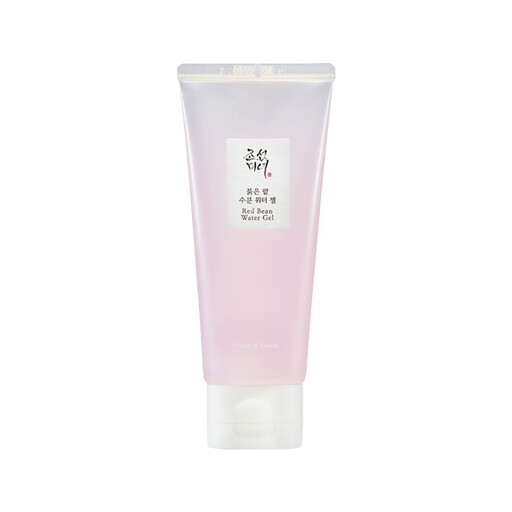
Why This Fits Their Persona: The quick-absorbing water-gel texture is straightforward for first-time skincare shoppers and daily routines that need moisture without a heavy finish.
It clearly presents a water-gel format rather than implying that a facial mist alone replaces moisturisation.
Contains glycerin, panthenol, allantoin and beta-glucan; the 100ml size is practical for regular use.
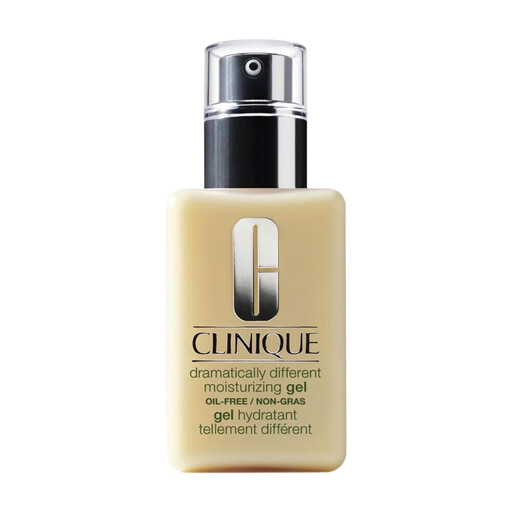
Why This Fits Their Persona: A larger pump-style format suits shoppers who want a consistent facial moisturiser for morning and evening use.
The product specification identifies an oil-free gel and fragrance-free formula, making the selection criteria easier to check.
Includes glycerin and sodium hyaluronate; the stated texture is lightweight and designed to absorb quickly.
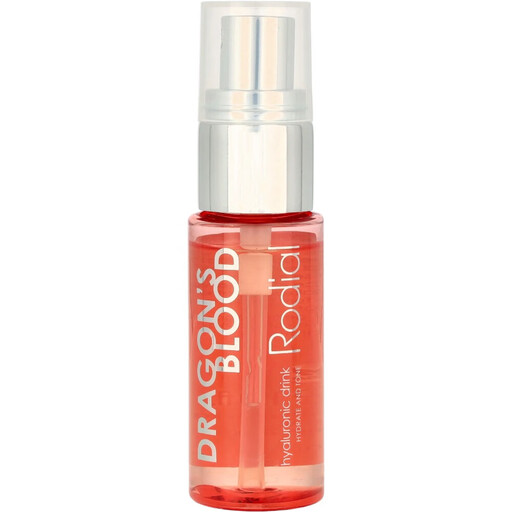
Why This Fits Their Persona: The compact mist is suited to commuters, frequent travellers and make-up users who want a refreshing spray during the day.
Its multi-use positioning is clearly defined: primer, dewy setting spray, tonic and serum-style mist. It should still complement, rather than automatically replace, a daily moisturiser.
Contains glycerin, niacinamide and sodium hyaluronate; the 30ml bottle is designed for easy carrying.
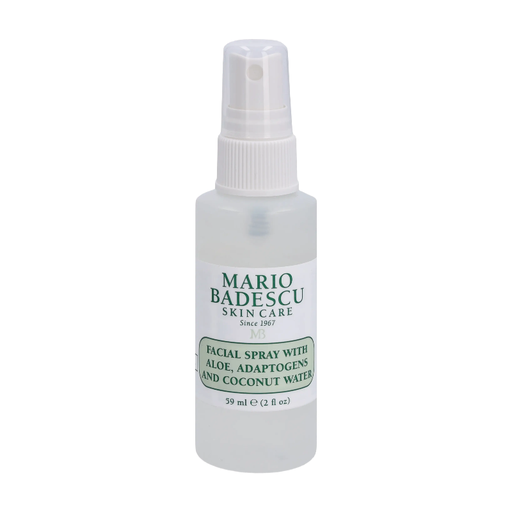
Why This Fits Their Persona: The fragrance-free, alcohol-free mist offers a simple option for shoppers who prefer a light spray that can be used under or over make-up.
The label details the absence of alcohol and fragrance, avoiding the assumption that every “soothing” mist has the same formula.
Contains aloe vera, sodium hyaluronate and niacinamide; it can also be sprayed onto a make-up brush or sponge.
We have compiled a complete, real-time list of products that fully satisfy these strict selection criteria and UK safety regulations.
Apply a face moisturiser after cleansing, while skin is still comfortable rather than completely dry. Use a small amount first and add more only where needed. In the morning, apply sunscreen as the final skincare step before make-up.
For a face mist, close your eyes and mouth, hold the bottle at the distance stated on the label and allow the spray to settle. Do not spray into the eyes. If you are introducing a formula with fragrance, acids or several new actives, patch testing on a small area is a sensible precaution.
Often, yes. A gel moisturiser usually has a lighter feel than a traditional cream, and an oil-free moisturiser may be more comfortable for oily or combination skin. However, check the full ingredient list and observe how your skin responds, particularly if the formula contains fragrance or exfoliating ingredients.
A face mist can refresh skin and add a light layer of hydration, but it may not provide the same lasting moisture as a leave-on gel or cream. For dehydrated or dry skin, use the mist alongside a suitable moisturiser rather than relying on spray alone.
There is no single lifespan because it depends on the product size, amount applied and frequency of use. Follow the open-jar period and expiry information on the packaging, keep the container closed and store it away from heat and direct sunlight. Stop using it if the smell, colour or texture changes unexpectedly.