
24/7 Customer Support

Free returns

Same-day & Next-day Delivery

Quality Guaranteed

Unlock Your Welcome Offers: FREE Delivery | Up to 80% OFF | Free 30-day JoyPlus trial
Download the APP
Choosing a face moisturiser should be straightforward, but skincare labels often make the decision harder. Claims such as “24-hour hydration”, “barrier repair” and “anti-ageing” can sound impressive without explaining the texture, ingredients or usage limits that matter in everyday UK conditions.
Central heating, cold winds and low indoor humidity can leave skin feeling tight, while fragranced formulas or strong actives may be uncomfortable for sensitive complexions. The right product depends less on a dramatic claim and more on whether its formula matches your skin type, routine and main concern.
A hydrating face cream may contain humectants such as glycerin, panthenol or hyaluronic acid. These help the skin feel more comfortable by attracting water. However, a formula also needs emollients or occlusives to soften the surface and reduce moisture loss.
For dry skin, look for a combination of:
A lightweight gel may suit an oily T-zone but feel insufficient on dry cheeks, particularly during winter.
“Barrier repair cream” is a useful description of a product’s intended cosmetic function, not a guarantee that it will treat a skin condition. Ceramides, cholesterol, fatty acids and panthenol are commonly selected to support a comfortable, moisturised skin feel.
Check the full ingredient list rather than relying on the front label. A cream can contain ceramides but still include fragrance or essential oils that some sensitive users prefer to avoid.
A niacinamide moisturiser, vitamin C cream or retinol night cream may appeal to shoppers concerned about dullness, uneven tone or visible signs of ageing. Yet higher-strength or multi-active formulas can be more demanding to introduce.
Start with a small amount, avoid layering several new actives at once and patch test where appropriate. Retinol products should generally be used in the evening, with daily sunscreen the following morning. Always follow the packaging directions and discontinue use if persistent irritation develops.
For oily or combination skin, choose a lotion, gel-cream or non-greasy cream that layers comfortably under sunscreen and make-up. For dry or very dry skin, a richer cream containing glycerin, shea butter, squalane or petrolatum may provide a more protective finish.
Those seeking a sensitive skin moisturiser should consider fragrance-free options and avoid applying products to broken, inflamed or irritated skin. “Natural” does not automatically mean lower risk of sensitivity: essential oils and fragrant botanical extracts can still be problematic for some users.
Match ingredients to your primary concern:
Do not assume that collagen in a collagen cream will replace structural collagen in the skin. In a topical moisturiser, collagen is primarily a conditioning and film-forming ingredient. Evaluate the texture and supporting ingredients as well as the headline claim.
Buy cosmetics with a clear ingredient list using standard INCI names, a batch or lot reference and appropriate usage warnings. Check the seal, net content and storage guidance before opening. Products containing salmon-derived PDRN should be avoided or discussed with a healthcare professional by shoppers with a fish allergy.
A face moisturiser is not a substitute for sunscreen. If your daytime product does not include a suitable SPF rating, apply a separate broad-spectrum sunscreen as the final morning skincare step.
The following selection matches different shopping priorities rather than ranking products from first to last.
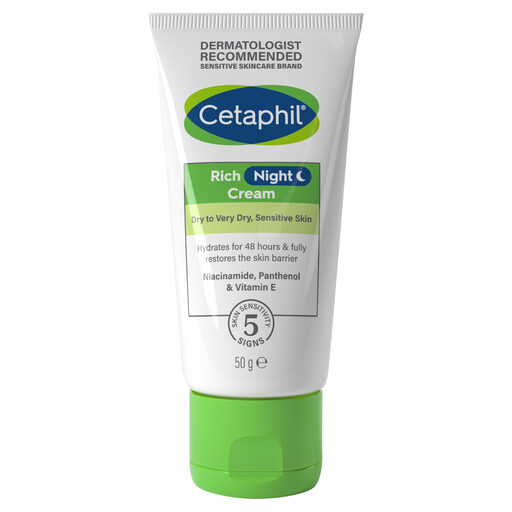
Why This Fits Their Persona: A practical evening option for adults with dry to very dry sensitive skin who want a simple final step during colder UK nights.
Its fragrance-free formula makes the label easier to assess for shoppers avoiding perfume in a night cream.
Contains glycerin, petrolatum, panthenol, niacinamide and vitamin E; designed for nightly use.
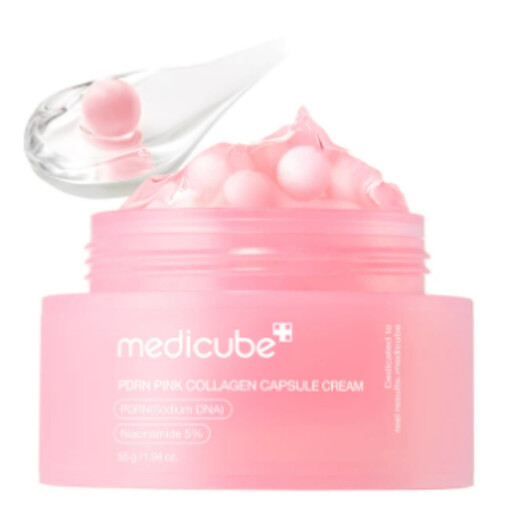
Why This Fits Their Persona: Suits shoppers interested in a Korean face cream with an adjustable texture for changing weather or different areas of the face.
The gel-to-capsule ratio can be adjusted instead of committing to one fixed finish. Review the salmon-derived PDRN warning before purchase.
Includes 5% niacinamide, collagen, several hyaluronic acid forms and ceramides.
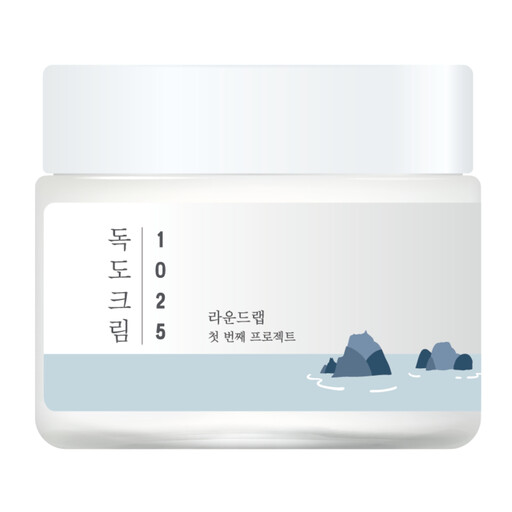
Why This Fits Their Persona: A larger-size choice for people who regularly experience tightness or dehydration from heating, wind and frequent cleansing.
The ingredient list identifies five ceramides and three hyaluronic acid forms, offering more detail than a vague “intensive moisture” label.
80ml format; contains ceramides, triple hyaluronic acid, panthenol and allantoin; free from artificial fragrance.
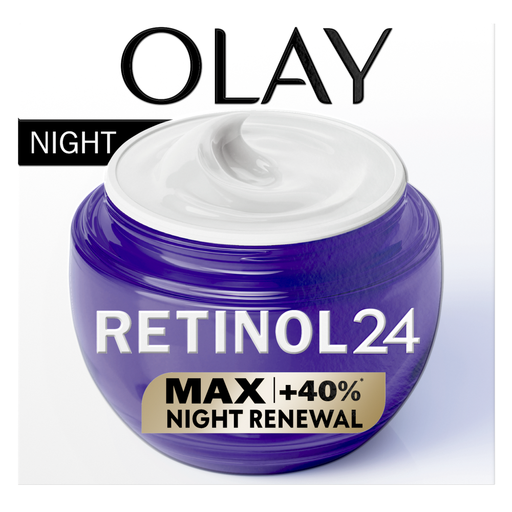
Why This Fits Their Persona: Designed for adults seeking a retinol night cream and willing to introduce an active gradually into an evening routine.
The label identifies retinol and retinyl propionate rather than hiding the active behind a general anti-ageing description.
Fragrance-free formula with glycerin, niacinamide and peptide ingredients; intended for evening use.
Apply moisturiser after cleansing and any lighter serum or treatment. Use a modest amount first, then add more only to areas that feel dry. A richer cream can be used at night, while a lighter layer may work better under daytime sunscreen.
Introduce one new product at a time. This makes it easier to identify the source of any reaction and prevents unnecessary spending on products that cannot be comfortably used. Check the packaging for storage instructions, particularly for formulas containing retinoids or capsule-based actives.
We have compiled a complete, real-time list of products that fully satisfy these strict selection criteria and UK safety regulations.
Look for a facial moisturiser for dry skin containing humectants alongside richer emollients and occlusives. Glycerin, hyaluronic acid, panthenol, shea butter, squalane and petrolatum are useful ingredients to compare. A cream texture is often more comfortable than a lightweight gel during winter.
Most night creams are designed for regular evening use, but check the product directions. If the formula contains retinol, begin less frequently if needed and use sunscreen during the day. Avoid combining several potentially irritating active products until your skin has adjusted.