
24/7 Customer Support

Free returns

Same-day & Next-day Delivery

Quality Guaranteed

Unlock Your Welcome Offers: FREE Delivery | Up to 80% OFF | Free 30-day JoyPlus trial
Download the APP
Finding the right face moisturiser can be harder than it appears. A lightweight gel may feel comfortable in a warm room but leave skin tight during a cold, dry UK winter. A rich cream may ease dryness yet feel heavy under make-up. Marketing language can also make a simple purchase confusing, particularly when one product promises hydration, brightening, pore care, anti-ageing support and sun protection in one jar.
The practical approach is to match the formula to your skin type, routine and the conditions in which you will use it.
A prominent percentage on the front of the pack does not tell you how the full formula will feel or perform on your skin. A hydrating moisturiser should ideally combine ingredients that attract water, such as glycerin or hyaluronic acid, with emollients and occlusive ingredients that help reduce moisture loss.
A day moisturiser with SPF can be convenient, but the protection depends on applying enough product and using it as directed. SPF15, for example, is not equivalent to a dedicated high-protection facial sunscreen. For prolonged outdoor exposure, use a suitable sunscreen and reapply according to its label.
Sensitive skin can react to fragrance, essential oils, alcohol, preservatives or botanical extracts. Check the complete ingredients list rather than relying only on front-of-pack wording. Patch testing is sensible, especially when trying a new Korean face cream or a formula containing several active ingredients.
For combination skin, look for a lotion, gel-cream or fast-absorbing facial moisturiser that can be applied more lightly across the T-zone and more generously to dry areas. Silicones, humectants and lightweight emollients may help create a smooth finish without an oily feel.
For dry skin, a cream containing ingredients such as shea butter, squalane, petrolatum, dimethicone or plant oils may provide a more comfortable finish. A richer formula is often more suitable at night or during colder weather.
A barrier repair cream may contain ceramides, cholesterol, panthenol, beta-glucan or nourishing lipids. These ingredients do not make a product suitable for every person, but they are useful features to consider if cleansing leaves your skin feeling tight or uncomfortable.
Also check the position of ingredients in the list. Ingredients near the beginning are generally present in higher proportions, although the list alone cannot predict how your skin will respond.
A day moisturiser should layer comfortably beneath make-up and work alongside sunscreen. A night cream can be richer because finish and make-up compatibility are less important while you sleep.
If you are comparing an anti-ageing moisturiser, focus on transparent ingredient information and realistic cosmetic benefits, such as improving the look of dryness or fine lines. Claims about collagen, wrinkles or clinical results should be interpreted as brand claims unless independently verified.
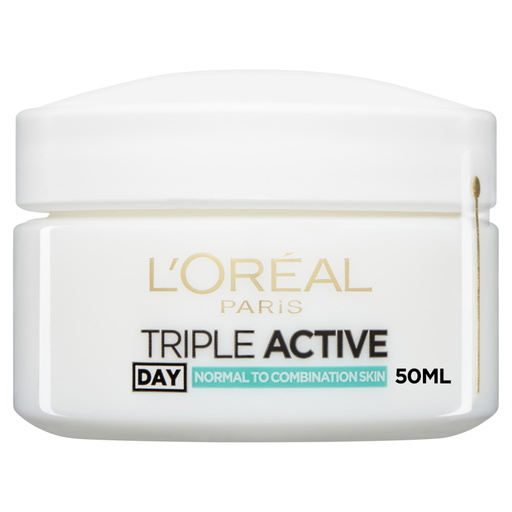
Why This Fits Their Persona: A straightforward everyday option for shoppers wanting hydration and a smooth daytime texture without building a complicated routine.
It is clearly positioned for normal to combination skin, helping shoppers avoid choosing an overly rich cream for an oilier T-zone.
Contains glycerin, panthenol, ceramide-related ingredients and vitamin E; its stated velvety texture is designed to absorb without a greasy finish.
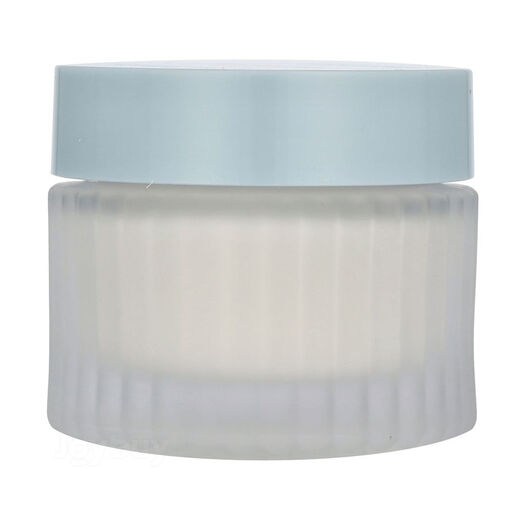
Why This Fits Their Persona: Suitable for shoppers who want a more substantial Korean face cream that can be used morning or evening and layered beneath make-up.
The formula lists five ceramides, cholesterol and prebiotic ingredients, giving more detail than a vague “barrier care” label.
Includes several forms of hyaluronic acid, squalane, shea butter and panthenol; the buttery texture is intended to melt into skin without a sticky residue.
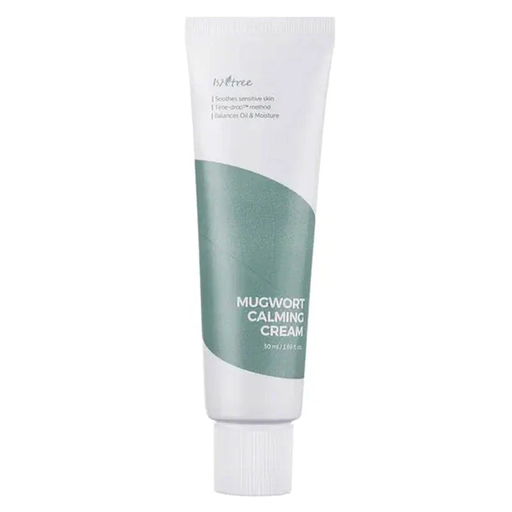
Why This Fits Their Persona: A practical choice for those who want a lighter cream for daily use, including during seasonal changes or before make-up.
The listed formula is free from alcohol, artificial fragrance and dyes, although a patch test remains advisable for reactive skin.
Contains mugwort, panthenol, beta-glucan and liquorice root extract; its lightweight cream texture is designed to absorb quickly.
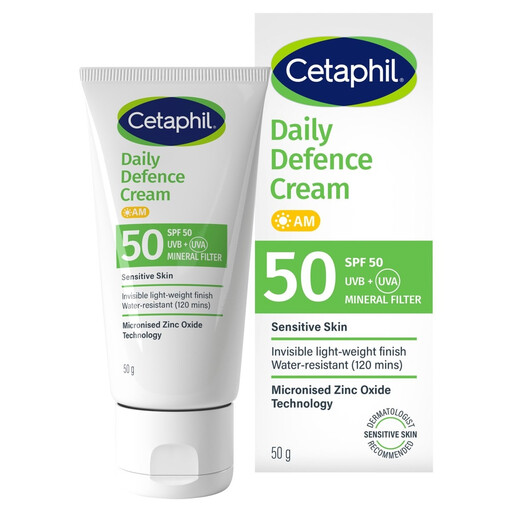
Why This Fits Their Persona: Designed for shoppers who want a daily facial moisturiser with high-level labelled UV protection as part of a simple morning routine.
Its SPF50 label is clearer than relying on an unspecified UV filter, while the directions state that reapplication may be needed.
Uses micronised zinc oxide, is fragrance-free and is listed as water-resistant for up to 120 minutes; follow the packaging instructions for application and reapplication.
Apply your facial moisturiser after cleansing and any lighter serums. Use a pea-sized amount first, then add more only where needed. For dry cheeks, gently press the product into the skin rather than rubbing vigorously. In the morning, allow layers to settle before applying make-up or sunscreen.
For a new product, apply a small amount to an inconspicuous area and monitor the skin for 24 hours. Stop using it if persistent redness, itching, burning or swelling develops. Avoid applying cosmetic moisturisers to broken or inflamed skin.
We have compiled a complete, real-time list of products that fully satisfy these strict selection criteria and UK safety regulations.
Not always. One comfortable cream can work morning and evening if it suits your skin. A separate night cream may be useful if you prefer a richer texture or need additional comfort during colder weather. Daytime UV protection still requires careful attention to SPF and application quantity.
A 50ml product may last around two to three months with regular facial use, although the amount applied, frequency and whether you also use it on the neck will affect this. Follow the open-jar symbol and storage instructions on the packaging, and replace the product if its smell, colour or texture changes.
Choose a lightweight or medium-texture formula and adjust the amount by area. Apply less to the forehead, nose and chin, and more to dry cheeks. Ingredients such as glycerin, panthenol, hyaluronic acid and ceramides can support hydration without requiring an excessively rich finish.