
24/7 Customer Support

Free returns

Same-day & Next-day Delivery

Quality Guaranteed

Unlock Your Welcome Offers: FREE Delivery | Up to 80% OFF | Free 30-day JoyPlus trial
Download the APP
Choosing a face moisturiser can seem straightforward until marketing claims, unfamiliar ingredients and unsuitable textures make the decision harder. A formula that feels comfortable on dry cheeks may look greasy on an oily T-zone, while a lightweight gel may not provide enough comfort during a cold, windy UK winter.
This guide explains the practical details to check before buying, followed by our top recommendations for different skin types, budgets and routines.
A thick cream can feel nourishing, but texture alone does not indicate how well a product suits your skin. Rich formulas may be useful for dry patches, yet uncomfortable for combination or oily skin, particularly under makeup or during humid weather.
Look at the complete ingredient list and consider whether you need a lightweight moisturiser, gel, lotion or balm. Humectants such as glycerin and hyaluronic acid attract water, while oils, silicones and occlusive ingredients help reduce moisture loss.
Natural-origin ingredients can still include fragrance components or essential oils that some people prefer to avoid. Conversely, synthetic ingredients are not automatically unsuitable. Check for perfume, alcohol denat, essential oils and known personal triggers rather than relying only on front-of-pack wording.
If you have easily reactive skin, patch test a small area first and stop using the product if redness, itching or discomfort develops.
An SPF moisturiser can be convenient for everyday exposure, but the protection depends on applying enough product and reapplying as directed. For prolonged outdoor exposure, use a dedicated sunscreen according to its label, especially on bright summer days or when travelling.
Also remember that a moisturiser marketed for anti-ageing, brightening or barrier support cannot replace professional advice for persistent skin concerns.
Glycerin, hyaluronic acid and sodium hyaluronate are commonly used humectants. Dimethicone and similar silicones can create a smooth feel and help reduce water loss. Niacinamide is frequently included in formulas designed for uneven-looking tone or oil balance, but tolerance varies by person.
For an anti-ageing moisturiser, assess the actual ingredients and usage instructions instead of relying on dramatic claims. A product containing SPF, niacinamide, antioxidants or peptides may complement a routine, but visible results are personal and gradual.
A 50ml jar may suit occasional or targeted use, while a 125ml or 200ml container can be more practical for everyday application. Consider whether you will use the product once or twice daily, and whether the packaging is convenient for travel.
Always check the current ingredient list and warnings printed on the product packaging, as formulations and instructions may change.
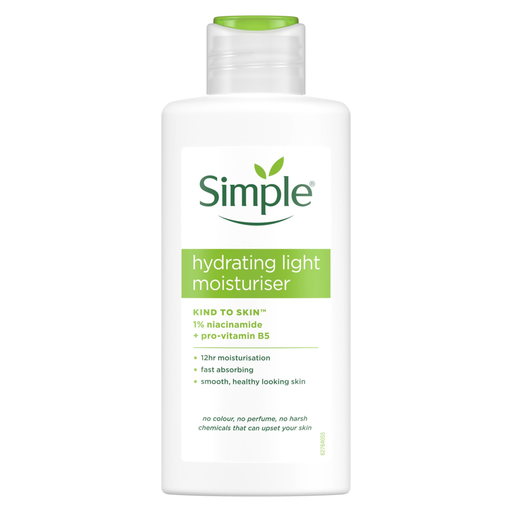
Why This Fits Their Persona: A practical starting point for shoppers who want a lightweight daily face moisturiser for morning and evening use without a complicated routine.
The product listing identifies it as free from perfume, alcohol and artificial colours, helping shoppers avoid relying on vague “gentle” wording alone.
125ml size, lightweight texture, glycerin, niacinamide, panthenol and vitamin E.
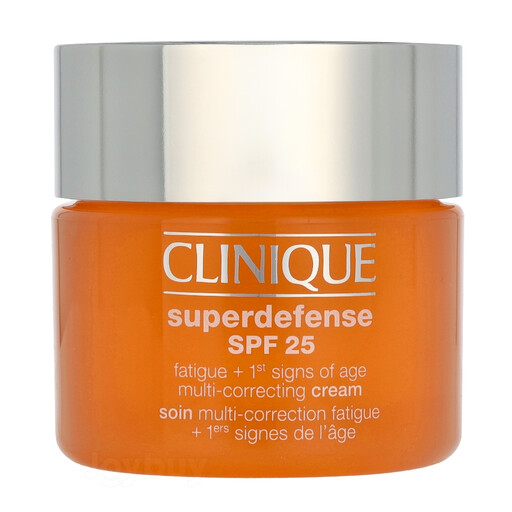
Why This Fits Their Persona: A morning option for combination-oily to oily skin when you want moisturising care plus stated SPF25 in one routine step.
Its oil-free, lightweight format is specified for combination-oily to oily skin rather than leaving shoppers to guess from the word “cream”.
SPF25, oil-free texture, 50ml format and stated sweat- and humidity-resistant finish.
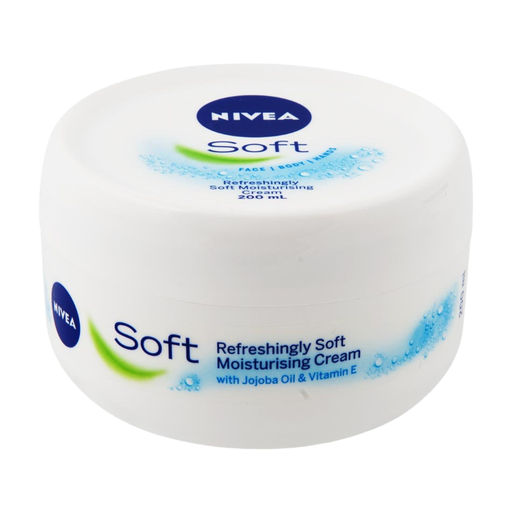
Why This Fits Their Persona: A larger multi-use option for households, gym bags or anyone who regularly moisturises the face, hands and body.
The 200ml size and stated face-body-hands use make its intended versatility clear, rather than presenting a small facial product as an all-over solution.
Vitamin E and jojoba oil, fast-absorbing texture and use suitable for morning or evening.
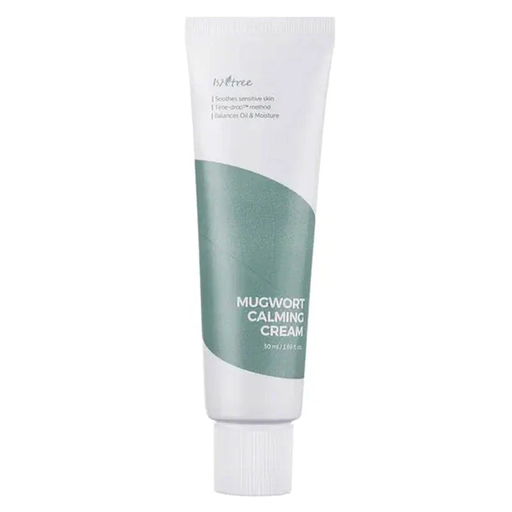
Why This Fits Their Persona: A Korean face moisturiser option for shoppers seeking a lightweight cream and a formula listed without alcohol, artificial fragrance or dyes.
It provides a clear ingredient and texture profile, so sensitive-skin shoppers can compare practical details instead of relying on broad calming claims.
Mugwort extract, panthenol, beta-glucan and a lightweight cream texture; patch testing is advised.
We have compiled a complete, real-time list of products that fully satisfy these strict selection criteria and UK safety regulations.
Apply moisturiser to clean skin after cleansing, while the face is slightly damp if that feels comfortable. Start with a small amount and spread it over the face and neck, avoiding direct contact with the eyes. Use lighter layers in the morning if applying makeup, and a richer layer at night if your skin feels tight.
Men can follow the same selection principles: choose a men’s face moisturiser according to skin type, finish and fragrance preference rather than assuming men’s formulas are automatically more suitable. If using an SPF product, follow its application and reapplication instructions.
Most people apply it once or twice daily, after cleansing. Oily skin may prefer a smaller amount or a gel texture, while dry skin may need a richer product in the evening. Reapply when skin feels uncomfortable or dry, according to the product instructions.
The usable period varies by formula and packaging. Check the open-jar symbol, batch information and packaging instructions. Keep the product closed and store it away from direct sunlight and heat. Changes in smell, colour or texture are reasons to stop using it.
It can be, but “oil-free” does not mean “non-hydrating”. Oil-free formulas may still contain glycerin, hyaluronic acid, silicones or other moisturising ingredients. However, very dry skin may feel more comfortable with a cream containing additional emollients or occlusive ingredients.