
24/7 Customer Support

Free returns

Same-day & Next-day Delivery

Quality Guaranteed

Unlock Your Welcome Offers: FREE Delivery | Up to 80% OFF | Free 30-day JoyPlus trial
Download the APP
A face moisturiser can make skin feel comfortable, smooth and protected, but choosing the wrong formula may leave you with tightness, excess shine, blocked pores or irritation. UK shoppers also need to consider changing weather, indoor heating and personal preferences such as fragrance, vegan ingredients and texture.
Marketing language can make this decision harder. Here are the main pitfalls to avoid before buying.
A luxury face cream may offer an elegant texture, distinctive ingredients or premium packaging, but price alone does not determine whether it suits your skin. A simple formula containing glycerin, shea butter, squalane or ceramides may be more appropriate than a rich cream designed for a different skin type.
Check the ingredient list and intended use rather than relying on packaging or prestige.
A product can make skin feel temporarily moist without helping reduce ongoing moisture loss. Dehydrated skin often benefits from humectants such as glycerin and hyaluronic acid, while dry or barrier-compromised skin may also need emollients and occlusive ingredients such as shea butter, squalane, petrolatum or ceramides.
For a skin barrier repair cream, look for a combination of these ingredient groups instead of focusing on one headline ingredient.
Fragrance is not automatically unsuitable, but it may be a poor match for reactive or sensitive skin. Check the full ingredient list for parfum and fragrance allergens if you are looking for a fragrance-free moisturiser.
Active formulas also require care. A retinol night cream may be unsuitable for someone seeking a basic sensitive skin moisturiser, particularly if their skin is already irritated. Introduce active products gradually, follow the label instructions and use daytime sun protection.
Your routine also matters. A morning moisturiser should sit comfortably beneath SPF and make-up, while a night cream can be more nourishing and richer in texture.
Consider your existing cleanser, serum and treatment products. Niacinamide is commonly used in moisturisers aimed at uneven tone and barrier support. Vitamin C derivatives appear in some brightening face cream formulas, while peptides and niacinamide are often included in products marketed for mature skin or firmness.
If you already use exfoliating acids or retinoids, avoid automatically adding several active products at once. A straightforward hydrating formula can make it easier to identify what your skin tolerates.
A 40–50ml jar is common for facial moisturisers. Compare the amount with how often you plan to use it and whether it is intended for the face, neck or occasional overnight use. A refillable design may appeal to shoppers trying to reduce packaging waste, while a jar may require clean hands or a spatula to minimise contamination.
Always check the current packaging for the ingredient list, storage guidance, batch information and warnings before use.
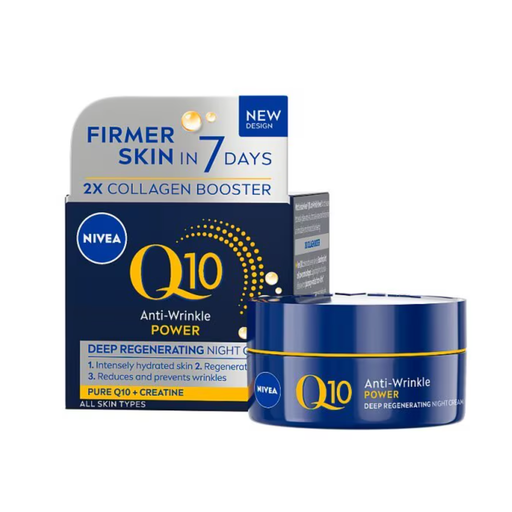
Why This Fits Their Persona: A practical overnight option for shoppers who want a familiar night cream with a nourishing feel and a straightforward evening application after cleansing.
Its ingredient list identifies glycerin, shea butter, squalane, Q10 and creatine, allowing shoppers to assess the formula beyond anti-ageing wording.
50ml size; includes panthenol and emollient ingredients; designed for evening use.
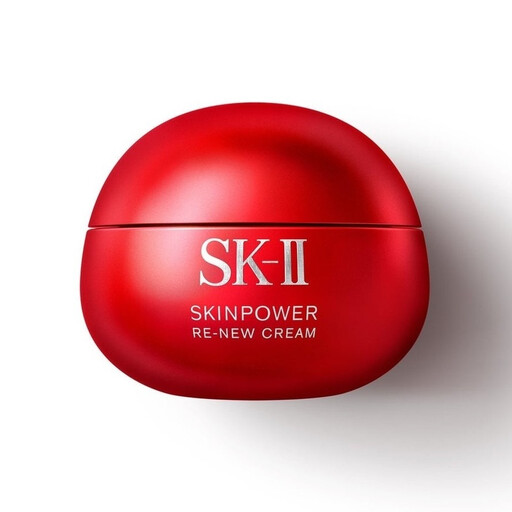
Why This Fits Their Persona: Suits shoppers seeking a larger-format cream with a refined texture for regular morning and evening skincare.
The listed formula shows niacinamide, squalane, peptides and sodium hyaluronate, giving buyers specific details to compare with their existing routine.
80g format; contains peptide ingredients and niacinamide; suitable for combination, dry and mature skin according to the product information.
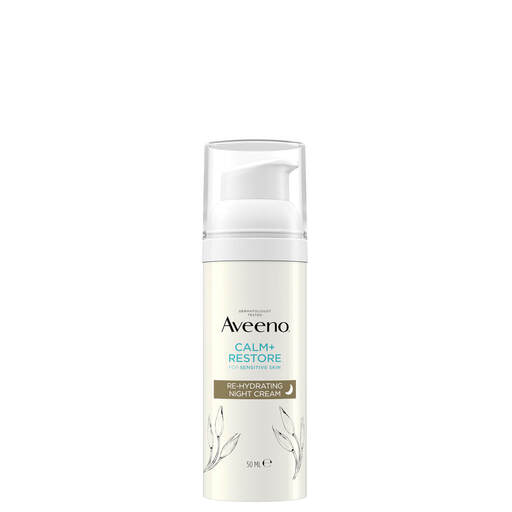
Why This Fits Their Persona: A sensible choice for normal to dry sensitive skin, particularly during colder UK months or in centrally heated homes.
It is fragrance-free and non-comedogenic, with prebiotic oat, feverfew and shea butter clearly identified in the product information.
Rich yet fast-absorbing texture; fragrance-free; intended for normal to dry sensitive skin.
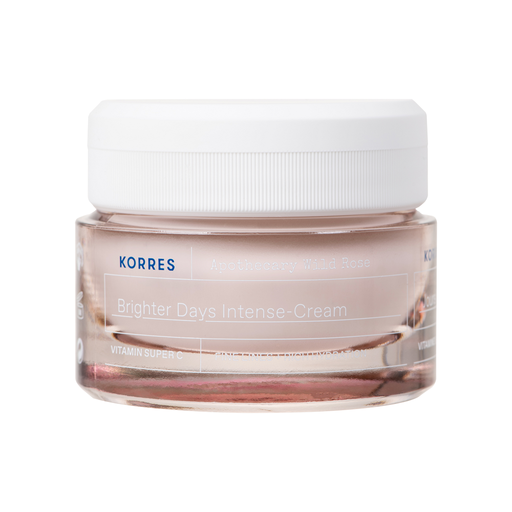
Why This Fits Their Persona: Designed for shoppers who prefer a rich, luxurious texture and want hydration alongside a brighter-looking complexion.
The formula lists stabilised vitamin C derivatives, hyaluronic acid, shea butter and squalane, rather than relying only on general glow-focused language.
Vegan formula; 94.5% natural-origin content stated in the product details; rich texture for ultra-dry skin.
We have compiled a complete, real-time list of products that fully satisfy these strict selection criteria and UK safety regulations.
Most people can use a suitable face moisturiser after cleansing, either once or twice daily. Apply it to slightly damp skin if the formula is comfortable that way, then use a separate broad-spectrum SPF in the morning.
There is no universal lifespan for every product. Follow the period-after-opening symbol, expiry information and storage instructions on the packaging. Keep the lid closed, avoid dipping unwashed fingers into jars and replace the product if its smell, colour or texture changes.
Not necessarily. A standard face moisturiser may work both morning and evening. A night cream is useful when you prefer a richer texture, need extra nourishment or are using a product formulated specifically for overnight use. Choose according to your skin’s comfort and routine rather than the label alone.