
24/7 Customer Support

Free returns

Same-day & Next-day Delivery

Quality Guaranteed

Unlock Your Welcome Offers: FREE Delivery | Up to 80% OFF | Free 30-day JoyPlus trial
Download the APP
Finding the right face moisturiser should be straightforward, yet crowded skincare shelves make it easy to pay for features that do not match your needs. A lightweight gel may feel pleasant but leave dry skin tight, while a rich cream can feel uncomfortable under make-up. The most suitable choice depends on your skin type, preferred texture, ingredients and how you plan to use it.
This guide explains the practical checks that can help UK shoppers compare a facial moisturiser without being distracted by exaggerated marketing language.
A moisturiser can help reduce the feeling of dryness and support a comfortable skin finish, but it does not replace every other skincare step. A product described as a hydrating face cream may mainly contain humectants such as glycerin or hyaluronic acid, which attract water to the skin. If your skin loses moisture easily, you may also want emollients and occlusive ingredients such as oils, silicones, shea butter or petrolatum.
A day cream with SPF can be convenient for ordinary daytime routines, but SPF 15 or SPF 20 provides less protection than many dedicated facial sunscreens. Protection can also be affected by how much product is applied and whether it is reapplied. For prolonged outdoor exposure, use a separate broad-spectrum sunscreen according to its label instructions.
Labels such as “gentle” or “hypoallergenic” do not guarantee that a product will suit every individual. Check the ingredient list for potential triggers, particularly if you react to fragrance, essential oils, alcohol or specific botanical extracts. A patch test is a sensible precaution when introducing a new sensitive skin moisturiser.
For blemish-prone routines, Neutrogena Clear and Defend contains 0.5% salicylic acid. Salicylic acid is an exfoliating ingredient commonly included in acne moisturiser formulas, but combining several acne treatments may increase the chance of irritation.
For uneven-looking tone, products may include niacinamide, tranexamic acid, alpha-arbutin or vitamin C derivatives. These ingredients are cosmetic formulation choices rather than guarantees of a particular result. Introduce one new active product at a time so you can identify how your skin responds.
A rich night cream may be suitable before bed but too heavy beneath foundation. Conversely, a gel moisturiser can sit comfortably under make-up but may not be enough for very dry skin. If you prefer fewer routine steps, a multi-purpose cream or day moisturiser with SPF may be convenient.
Also check the current packaging for the latest ingredients, warnings, storage instructions and shelf-life information before use.
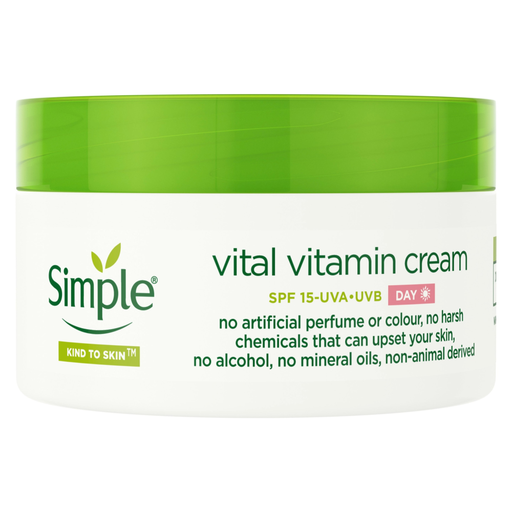
Why This Fits Their Persona: A practical starting point for shoppers wanting one morning moisturiser with hydration and SPF 15 for everyday use, including beneath make-up.
Its SPF level is clearly stated, helping shoppers avoid assuming that any day cream offers the same level of sun protection as dedicated sunscreen.
Lightweight texture; includes glycerin, niacinamide, vitamin E and bisabolol; no artificial perfume or colours according to the product description.
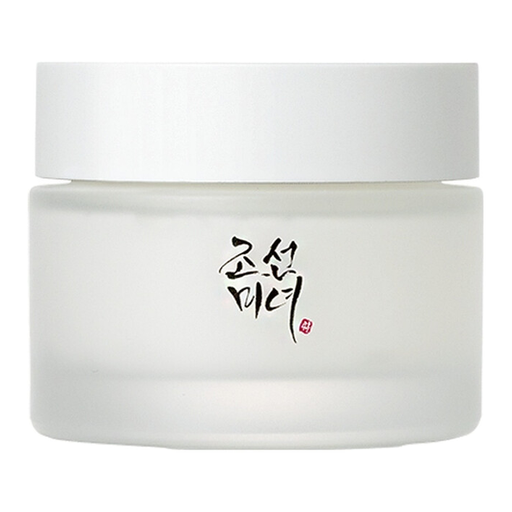
Why This Fits Their Persona: Suits shoppers who prefer a richer Korean face cream with a dewy finish for dry or combination skin and flexible evening use.
The dense, honey-like texture is made clear, so shoppers can assess whether a rich cream is preferable to an airy gel.
Contains rice bran water, ginseng root water, 2% niacinamide, squalane and ceramide NP; can also be used as a sleeping mask.
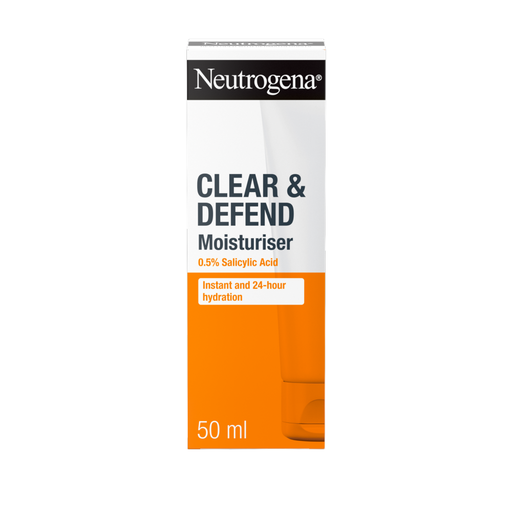
Why This Fits Their Persona: Designed for spot-prone shoppers who want a daily moisturiser that also contains a recognised exfoliating active.
The concentration is listed as 0.5%, and the warnings advise caution when combining it with other acne treatments.
Oil-free formula; includes aloe vera and chamomile; provides stated instant and 24-hour hydration.
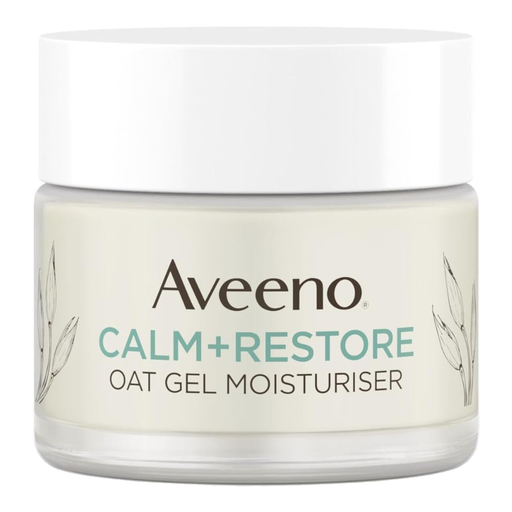
Why This Fits Their Persona: A fragrance-free gel-cream option for normal-to-dry, sensitive skin when a fast-absorbing finish is important.
The fragrance-free and non-comedogenic descriptions are clearly provided, allowing comparison beyond vague “calming” wording.
Contains prebiotic oat and feverfew extract; lightweight gel texture; designed for morning and evening application.
We have compiled a complete, real-time list of products that fully satisfy these strict selection criteria and UK safety regulations.
Most people apply it once in the morning and once in the evening, after cleansing. A lighter formula may suit daytime use, while a richer night cream can be more comfortable before bed. Follow the individual product directions.
The usable period varies by formula, packaging and storage conditions. Check the open-jar symbol, expiry information and packaging instructions. Keep the container closed, avoid introducing water or fingers unnecessarily, and store it away from direct sunlight and excessive heat.
No. Price does not determine whether a formula matches your skin. Compare the ingredient list, texture, size, fragrance, SPF level and intended use. A straightforward barrier repair moisturiser may be more useful for dry skin than a premium product with a texture you will not use consistently.