
24/7 Customer Support

Free returns

Same-day & Next-day Delivery

Quality Guaranteed

Unlock Your Welcome Offers: FREE Delivery | Up to 80% OFF | Free 30-day JoyPlus trial
Download the APP
A face moisturiser can make a noticeable difference to how comfortable and balanced your skin feels, but choosing one is not simply a matter of picking the most attractive packaging. UK shoppers are often faced with long ingredient lists, impressive-sounding claims and several formulas aimed at the same concern.
The right choice depends on your skin type, routine, preferred texture and whether you need targeted ingredients such as niacinamide or salicylic acid. This guide explains what to check before buying and highlights suitable options for different skincare needs.
A dense cream may feel nourishing, but it is not automatically the right moisturiser for dry skin. Heavy formulas can feel uncomfortable under make-up or contribute to a greasy finish on combination and oily skin. Conversely, a lightweight gel may not provide enough comfort for very dry skin, particularly during cold or centrally heated weather.
Look for a texture that suits your routine: gel-cream for quick absorption, lotion for everyday layering or a richer cream for evening use.
A day cream with SPF can be convenient, but SPF15 or SPF20 may not replace a dedicated sunscreen during prolonged outdoor exposure. The amount applied also affects the protection achieved. If you are spending time outdoors, check the product label and consider applying a separate broad-spectrum sunscreen as directed.
A formula containing niacinamide, acids, vitamin derivatives and multiple botanical extracts may look appealing, but combining too many potentially active products can increase the chance of dryness or irritation. A straightforward hydrating face cream may be more useful than an overloaded formula if your skin is sensitive or your routine is new.
Always read the complete ingredient list, especially if you react to fragrance, essential oils or particular preservatives.
Niacinamide moisturiser formulas are popular for routines focused on uneven tone, visible pores or excess shine. However, the ingredient list alone does not guarantee a particular outcome. Choose a product that also offers a comfortable texture and fits with the rest of your routine.
For blemish-prone skin, a salicylic acid moisturiser may be convenient because it combines hydration with a leave-on exfoliating ingredient. The Neutrogena formula below contains 0.5% salicylic acid and includes aloe vera and chamomile. Follow the label directions and avoid using it alongside several other acne-focused treatments if irritation develops.
If dullness is your main concern, a brightening face cream containing niacinamide or alpha-arbutin may complement a consistent skincare routine. These ingredients should be viewed as cosmetic care for the appearance of skin tone, not as medical treatments.
A 50ml jar or tube is common for facial skincare, while a 60ml or 100ml size may offer better value for frequent use. Check whether the product is intended for morning use, evening use or both. A night cream can be richer, while a day cream may be lighter and designed to sit beneath make-up.
Before use, check the current packaging for the full ingredients, batch details, shelf-life guidance and warnings. UK cosmetic products should provide responsible product information, but individual sensitivities still vary.
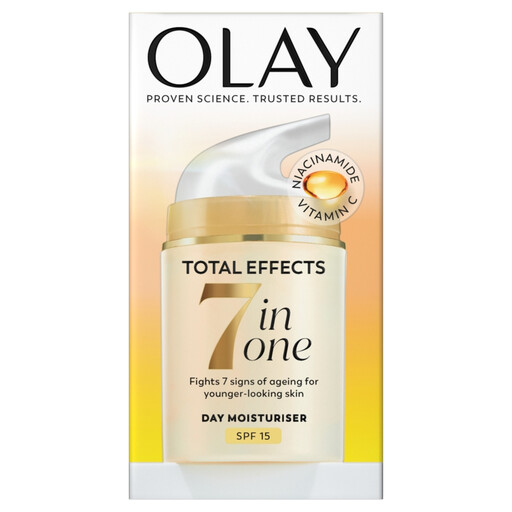
Why This Fits Their Persona: A practical daytime option for shoppers who want hydration, niacinamide and SPF15 in one oil-free formula before work or errands.
Its oil-free, quick-absorbing format avoids the assumption that a multi-benefit cream must feel greasy. SPF15 should still be supplemented for extended sun exposure.
Contains niacinamide, panthenol and vitamin C derivative; designed for daytime use with SPF15.
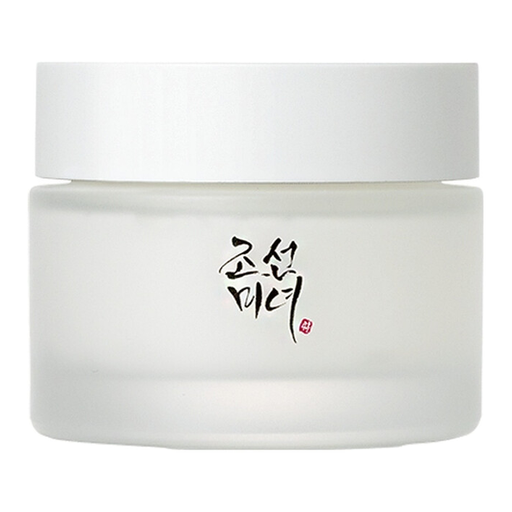
Why This Fits Their Persona: A Korean moisturiser for shoppers who enjoy a denser, dewy finish and a flexible product for daytime, evening or use as a sleeping-mask layer.
The firm, honey-like texture is clearly suited to customers who prefer richer hydration, rather than being presented as a universal lightweight cream.
Includes 2% niacinamide, squalane, ceramide NP, rice bran water and ginseng root water.
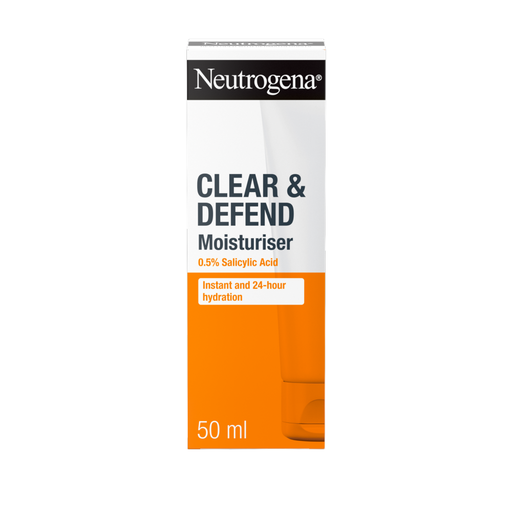
Why This Fits Their Persona: Suitable for shoppers building a simple routine around spot-prone skin who want a lightweight moisturiser for morning and evening use.
The 0.5% salicylic acid concentration is stated clearly, helping shoppers compare formulas rather than relying on vague “clear skin” wording.
Oil-free formula with aloe vera and chamomile; provides stated instant and 24-hour hydration.
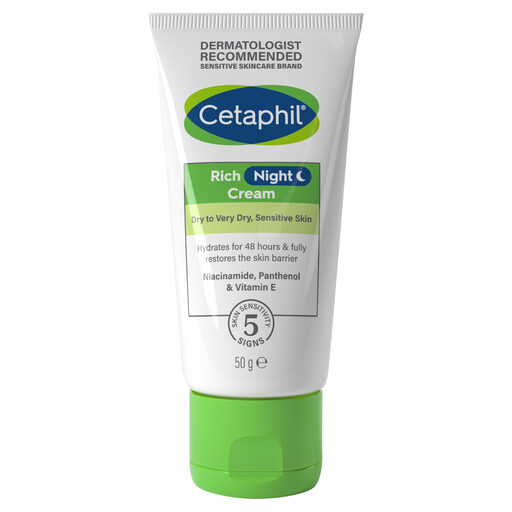
Why This Fits Their Persona: Designed for dry to very dry sensitive facial skin, making it a practical evening option during colder or drier indoor conditions.
Its fragrance-free format and clearly stated night-time purpose make the richer texture easier to assess before purchase.
Contains petrolatum, panthenol, niacinamide, sweet almond oil and vitamin E; supplied in a 50g size.
We have compiled a complete, real-time list of products that fully satisfy these strict selection criteria and UK safety regulations.
Apply moisturiser after cleansing and any water-based serums. Use a moderate amount rather than several thick layers, then allow it to settle before applying make-up. In the morning, finish with sunscreen when needed. At night, a richer formula can be applied to areas that feel particularly dry.
Introduce one new product at a time. If redness, itching, burning or a rash appears, stop using it and follow the product warning guidance. Avoid applying skincare to broken or inflamed skin unless advised by a qualified healthcare professional.
Usage varies according to the size of the container and how much you apply. A 50ml product used daily may last several weeks to a few months. Check the packaging for the period-after-opening symbol, expiry information and storage instructions.
Usually, yes, provided the formula suits your skin. However, SPF in a day cream is not necessary at night and some people prefer a richer night cream without sun-care ingredients.
Look for a fragrance-free formula with familiar moisturising ingredients and introduce it gradually. Cetaphil Rich Night Cream is specifically described for dry to very dry sensitive skin, while any new product should still be patch tested and stopped if irritation occurs.