
24/7 Customer Support

Free returns

Same-day & Next-day Delivery

Quality Guaranteed

Unlock Your Welcome Offers: FREE Delivery | Up to 80% OFF | Free 30-day JoyPlus trial
Download the APP
Finding the best face moisturiser for sensitive skin is less about choosing the longest ingredient list and more about matching the formula to your skin’s condition, routine and tolerance. A cream that feels comfortable in a cold, dry January may feel too rich in a heated office or during a warmer summer.
Sensitive, dry, dehydrated, combination and mature skin can all need moisturiser, but not necessarily the same texture or ingredients. The following guide highlights common buying traps, practical specifications to check and suitable options for different UK skincare routines.
A thick cream can reduce the feeling of tightness, but a heavy finish is not automatically better for every skin type. Combination and blemish-prone shoppers may find rich oils or occlusive ingredients uncomfortable, while very dry skin may need more than a lightweight gel.
Look for a balance of humectants, such as glycerin or hyaluronic acid, and barrier-supporting ingredients, such as ceramides, squalane, panthenol or shea butter.
Terms such as “natural”, “hypoallergenic” and “dermatologist tested” do not guarantee that a product will suit every individual. Plant extracts, essential oils, fragrance components and certain preservatives can still be unsuitable for reactive skin.
Read the full ingredient list, particularly if you are searching for a fragrance-free face cream. Patch testing a small amount on the inner arm before applying a new product to the whole face is a sensible precaution.
A day moisturiser containing SPF can be convenient, but the protection level, amount applied and need for reapplication all matter. An SPF15 moisturiser may not replace a dedicated broad-spectrum sunscreen during prolonged outdoor exposure. Follow the product directions and use a separate sunscreen when appropriate.
A useful skin barrier repair cream may contain a combination of:
Niacinamide can appear in a niacinamide moisturiser for hydration and the look of uneven tone, but higher concentrations may not suit every sensitive complexion. Introduce one new active product at a time.
Choose texture according to your skin and routine:
A 50ml face cream is convenient for daily facial use, while a 125ml gel or 400ml multi-use cream may offer better value for frequent application to the face, hands or body. Check whether the product is intended for facial use and review the packaging for current directions, batch details and storage information.
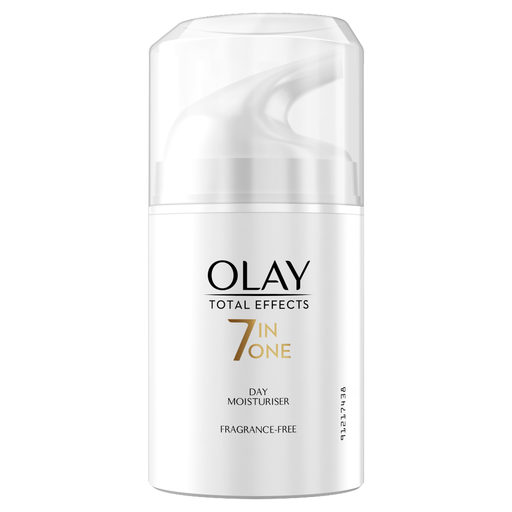
Why This Fits Their Persona: A straightforward daily option for shoppers wanting one face cream with a fragrance-free, oil-free format and niacinamide.
Its fragrance-free and oil-free specification makes the label easier to assess when avoiding unnecessary scent or a greasy finish.
Contains niacinamide, panthenol and antioxidant ingredients; designed for daily morning use.
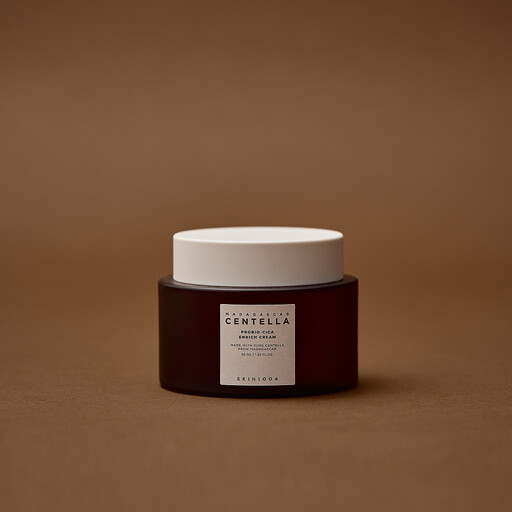
Why This Fits Their Persona: Suitable for shoppers seeking a richer Korean face moisturiser with centella-based ingredients and a substantial cream texture.
The ingredient list identifies centella components, ceramide NP, glycerin, squalane and hyaluronic acid rather than relying only on broad barrier claims.
Rich cream texture; includes centella-derived ingredients, lactobacillus ferment, ceramide NP and nourishing oils.
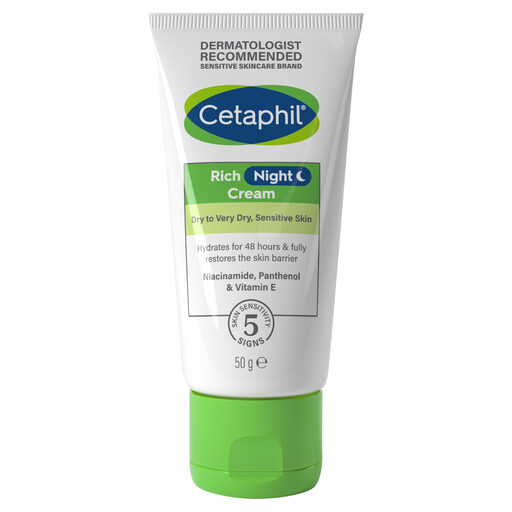
Why This Fits Their Persona: A practical match for very dry or sensitive skin that needs a richer evening moisturising step during cold weather or overnight.
It is described as fragrance-free and non-comedogenic, while the formula lists petrolatum, dimethicone, panthenol and niacinamide for a protective night routine.
Rich night cream format; includes glycerin, panthenol, niacinamide, vitamin E and sweet almond oil.
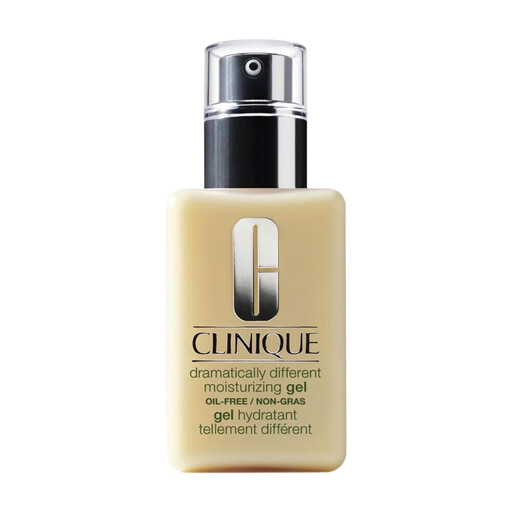
Why This Fits Their Persona: A convenient choice for combination or oilier skin, especially for those who prefer a quick-absorbing gel before make-up.
Its oil-free, fragrance-free gel format avoids the assumption that all sensitive-skin moisturisers must be thick or greasy.
125ml size; contains glycerin, sodium hyaluronate, urea and natural moisturising factors.
We have compiled a complete, real-time list of products that fully satisfy these strict selection criteria and UK safety regulations.
Apply moisturiser after cleansing while the skin is still slightly damp, unless the product directions state otherwise. Use a small amount first and add more to dry areas if required. In the morning, finish with sunscreen. At night, a richer cream can be applied over a hydrating serum, but introducing several new products at once makes it harder to identify the cause of irritation.
Avoid applying a new cream to broken or inflamed skin. Stop using it if persistent burning, swelling, itching or a rash develops, and seek medical advice where appropriate.
Most face moisturisers can be used once or twice daily, depending on the product directions and your skin’s needs. Dry or dehydrated skin may benefit from morning and evening use, while combination skin may need a thinner layer in the morning.
A 50ml product commonly lasts several weeks to a few months, depending on how much you apply, whether you use it once or twice daily and whether it is also applied to the neck. A 125ml gel or 400ml multi-use cream may last longer for frequent users.
Fragrance-free can be a useful starting point for people who react to scented skincare, but it is not a universal guarantee of compatibility. Check the complete ingredient list, patch test new products and select a texture that suits your skin type.