
24/7 Customer Support

Free returns

Same-day & Next-day Delivery

Quality Guaranteed

Unlock Your Welcome Offers: FREE Delivery | Up to 80% OFF | Free 30-day JoyPlus trial
Download the APP
Finding the right face moisturiser can be harder than expected. A lightweight gel may feel comfortable but leave dry cheeks tight, while a rich cream can make an oily T-zone feel congested. Marketing language can also make products appear more versatile than they are.
For UK shoppers, three common pitfalls are worth checking before buying:
A hydrating face cream with a rich, buttery texture may suit dry skin and colder indoor environments, particularly when central heating causes tightness. Gel creams and lighter emulsions can be more comfortable for combination or oily skin, especially during warmer months.
Look for practical descriptions such as:
The amount also matters. A 50ml jar may suit daily facial use, while an 80ml product such as Round Lab 1025 Dokdo Cream may offer more capacity for regular face and neck application.
For a niacinamide moisturiser, check where niacinamide appears in the ingredient list and whether the formula also contains humectants such as glycerin or sodium hyaluronate. Niacinamide is included in several products below, but the surrounding formula affects the finish and user experience.
For a ceramide cream, look for ceramides alongside supporting ingredients such as cholesterol, fatty acids, panthenol or squalane. These combinations are often chosen for dry or sensitive-feeling skin. A collagen cream may provide a smoothing, conditioning finish, but topical collagen ingredients should not be treated as a guaranteed replacement for the skin’s own collagen.
If you are sensitive to fragrance, essential oils, alcohol denat. or particular preservatives, review the complete INCI list. “Suitable for sensitive skin” is not a guarantee that every individual will tolerate a product.
A day cream should layer comfortably with sunscreen and make-up. A night cream can be richer because it does not need to sit beneath daytime products. If you use retinoids, exfoliating acids or several brightening products, select a straightforward moisturiser to avoid overloading your routine.
Always follow the packaging directions. Apply to clean skin, avoid direct contact with the eyes and patch test new products when appropriate. Stop using a product if persistent redness, itching, burning or discomfort develops.
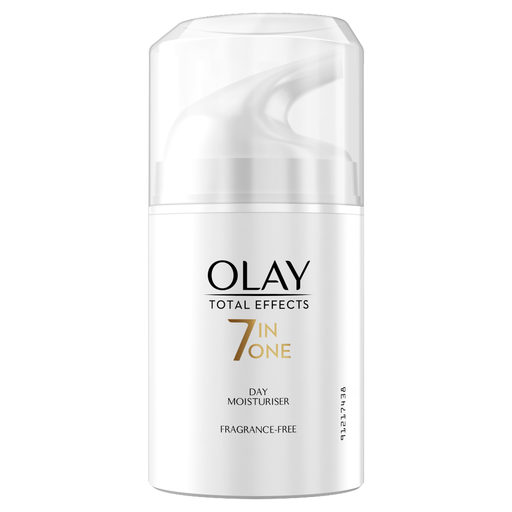
Why This Fits Their Persona: A simple morning moisturiser for shoppers wanting one product to cover hydration, tone, texture and the appearance of pores without adding fragrance to the routine.
The fragrance-free, oil-free and non-comedogenic formula makes the product information clearer than a vague multi-benefit claim alone.
Contains niacinamide, glycerin and panthenol; the 50ml cream is described as lightweight and fast-absorbing.
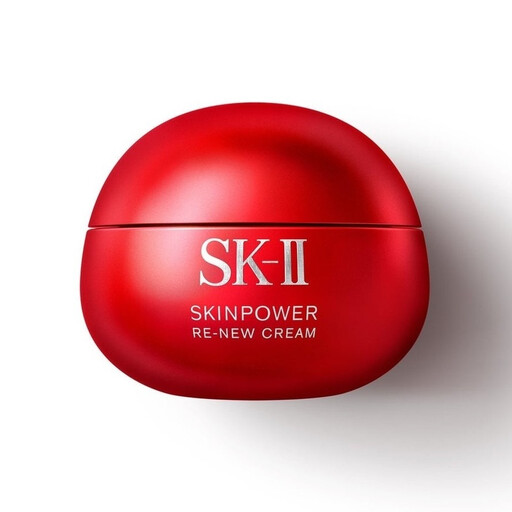
Why This Fits Their Persona: Suits shoppers who prefer a larger-format, richer cream for mature or dry-feeling skin and a more substantial evening skincare ritual.
Its ingredient list identifies niacinamide, peptides, squalane and sodium hyaluronate, giving buyers tangible details beyond “firming” language.
The 80g size offers more product than many 50ml creams; the listed texture is rich yet designed to absorb without a heavy residue.
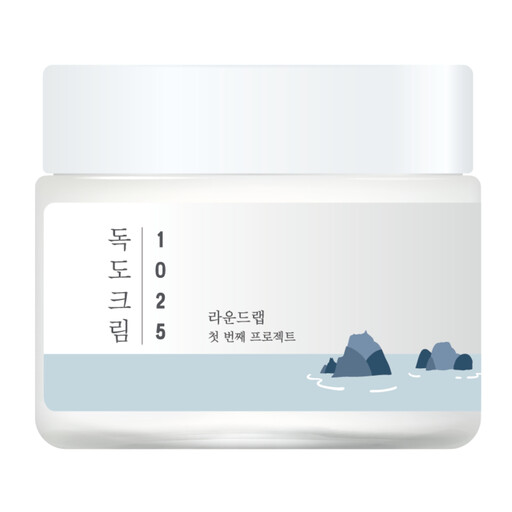
Why This Fits Their Persona: A practical option for dry, dehydrated or sensitive-feeling skin, particularly for people who want a Korean face cream for both morning and evening use.
The formula specifies five ceramides, three forms of hyaluronic acid and no artificial fragrance, alcohol or parabens.
The 80ml format is useful for consistent face and neck application; panthenol, beta-glucan and shea butter add conditioning ingredients.
For visible dullness and an oily or combination complexion, SOME BY MI Yuja Niacin Brightening Moisture Gel Cream combines yuja extract, 5% niacinamide and a light gel texture. For a firming moisturiser with a day-use format, L’Oréal Paris Revitalift Anti-Ageing + Firming Pro Retinol Day Cream includes SPF30 filters, although users should still follow sun-protection guidance.
Those seeking a barrier-focused formula may prefer Tocobo Multi Ceramide Cream, which lists five ceramides, cholesterol and several forms of hyaluronic acid. If a plumping water cream is preferred, L’Oréal Paris Revitalift Filler Replumping Water Cream contains hyaluronic acid, niacinamide and ceramide NP.
We have compiled a complete, real-time list of products that fully satisfy these strict selection criteria and UK safety regulations.
Most face moisturisers can be used once or twice daily after cleansing. Apply a suitable amount to slightly damp skin if the product directions allow it, then use sunscreen during the day when needed.
The usable period depends on the product’s packaging, preservatives and storage conditions. Check the open-jar symbol and printed packaging information, keep the lid closed and store the product away from heat and direct sunlight.
Not necessarily. Compare the ingredient list, size, texture and frequency of use rather than price alone. A less expensive moisturiser with glycerin, panthenol, ceramides or squalane may suit your routine, while a premium formula may appeal if you value a particular texture, brand or packaging format.