
24/7 Customer Support

Free returns

Same-day & Next-day Delivery

Quality Guaranteed

Unlock Your Welcome Offers: FREE Delivery | Up to 80% OFF | Free 30-day JoyPlus trial
Download the APP
A daily moisturiser that also provides sun protection seems like the perfect way to streamline a morning routine. It promises hydration and a defence against UV rays in one simple step. Yet, many of us have been left disappointed, with products that feel greasy, cause breakouts or simply don't deliver on their promises. The market is crowded, and it's easy to make a purchase you later regret.
As a Joybuy Product Recommendation Officer, my role is to help you navigate these choices. Before you add another product to your basket, let's look at the common pitfalls that UK shoppers encounter and how to avoid them.
face moisturiser with SPF 15 is sufficient for the entire day. While SPF 15 is adequate for short, incidental sun exposure—like a quick walk to the car or sitting near a window—it is not designed for prolonged periods outdoors. This misunderstanding can lead to a false sense of security and unintended sun damage.day cream with SPF 15 and a foundation with SPF 15 can be blurry. Some products are primarily makeup, offering coverage with minimal hydrating benefits. Others are true moisturisers that happen to contain sun protection. Buying one when you need the other can result in either poor skin hydration or inadequate cosmetic finish.To ensure you select a product that genuinely works for you, focus on these key parameters rather than just the marketing claims on the bottle.
The SPF (Sun Protection Factor) number only measures protection against UVB rays, which are the primary cause of sunburn. However, UVA rays penetrate deeper into the skin and are the main culprit behind premature ageing, such as wrinkles and loss of firmness.
Always look for the term "Broad-Spectrum" on the packaging. In the UK and EU, you will also often see a UVA logo (the letters 'UVA' in a circle) or a star rating system. This confirms the product provides protection against both types of harmful rays, offering a more complete daily moisturiser with sun protection.
Understanding a few key ingredients can transform your shopping experience. Look beyond the headline claims and check the list for components that suit your skin's needs:
anti-ageing face cream with SPF may also contain Peptides or Niacinamide to support skin firmness and tone.sensitive skin moisturiser SPF should be free from common irritants like artificial perfumes and colours. Look for calming ingredients such as Bisabolol or Allantoin.The base of the product determines how it feels and performs on your skin.
Based on these practical criteria, here are a few options from our catalogue, matched to specific user needs.
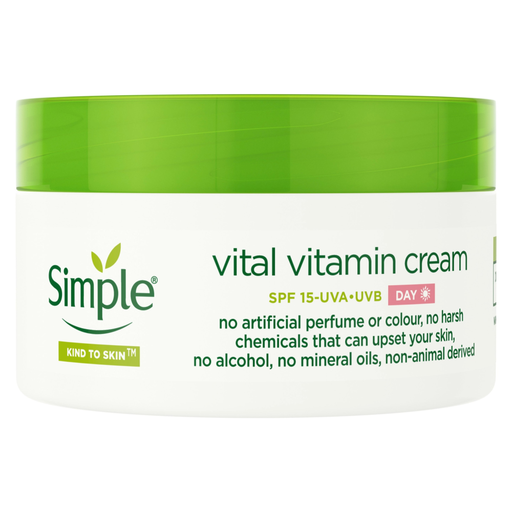
Why This Fits Their Persona: Perfect for those in the UK who need a reliable, no-fuss daily moisturiser. Its gentle formulation is ideal for skin that reacts easily, providing essential hydration and protection for the daily commute or office environment without causing irritation.
It directly counters the "one-size-fits-all" trap by being specifically formulated for sensitive skin. It is free from artificial perfumes, colours and harsh chemicals that can upset the skin.
Features broad-spectrum SPF 15 protection and is enriched with Pro-Vitamin B5 and Vitamin E. The lightweight texture absorbs quickly, making it a great base for makeup.
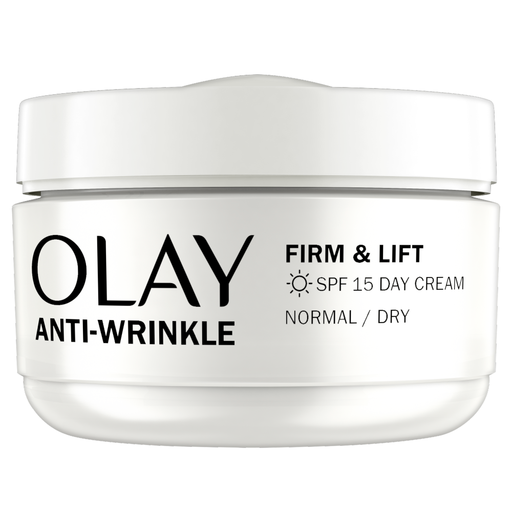
Why This Fits Their Persona: This user is looking for more than just basic hydration; they want an anti-ageing face cream with SPF that actively targets signs of ageing. This cream is designed to address fine lines, wrinkles and loss of firmness, making it a strong candidate for a mature skincare routine.
This product avoids the "one-size-fits-all" trap by being specifically formulated for skin showing visible signs of ageing. Its firming complex and nourishing texture are tailored to the needs of mature skin, rather than trying to cater to everyone.
It combines hydration and broad-spectrum SPF 15 with a skin-firming complex. The formula includes Niacinamide and Pro-Vitamin B5 to help smooth the skin's surface and improve its moisture barrier.
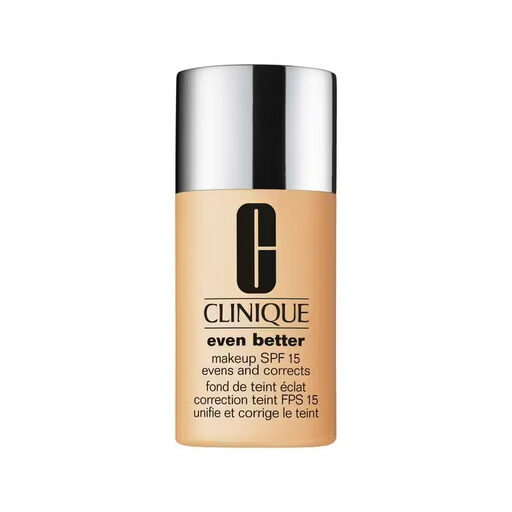
Why This Fits Their Persona: This user wants to simplify their morning routine with a single, high-performing product. This foundation provides moderate coverage to even out skin tone, hydration and sun protection, effectively replacing three separate steps with one.
It avoids the trap of confusing skincare with makeup by clearly positioning itself as a dermatologist-developed foundation with added skincare benefits. Users know they are getting a cosmetic product that also works to improve their skin over time.
This oil-free formula provides a natural finish and contains Vitamin C and antioxidants to help brighten the complexion. The broad-spectrum SPF 15 helps prevent future discolouration.
We have compiled a complete, real-time list of products that fully satisfy these strict selection criteria and UK safety regulations.
For typical daily activities in the UK, which often involve short periods of incidental sun exposure (e.g., commuting, running errands), SPF 15 is generally considered a sufficient baseline of protection. However, if you plan to spend extended time outdoors, especially on sunny days, it is advisable to use a dedicated sunscreen with a higher SPF (30 or above) and reapply it every two hours.
While it is not harmful to use an SPF moisturiser at night, it is not ideal. Sunscreen ingredients provide no benefit to your skin while you sleep and can sometimes be heavier than a standard night cream. Night creams are specifically formulated with restorative and repairing ingredients that work best during the skin's regenerative cycle overnight. It is better to use a dedicated night cream for your evening routine.
To get the stated SPF 15 protection, you need to apply the product liberally. A common mistake is not using enough. As a general guide, you should aim for about a quarter-teaspoon amount for your face. Apply it to clean skin as the last step in your skincare routine, at least 15 minutes before you go outside, to allow the sunscreen filters to form a protective layer.